For many people, heatless styling methods – foam rollers, flexi-rods, pin curls, and satin rollers – deliver curls that fall flat within hours. The problem rarely lies in technique alone; it lies in the materials used. The silk hair roller method specifically addresses the core reasons why heatless curls fail, offering an approach that can improve curl retention and reduce frizz compared to other heatless materials – though results will vary with hair type, technique, and ambient humidity.
Why do heatless curls often fall out so quickly?
The longevity of any hairstyle is a battle against three main factors: moisture, friction, and the hair’s natural texture. Heatless curls are particularly vulnerable. When you use materials like cotton (found in dressing gown robes or t-shirts), you introduce a major culprit: absorption. Cotton draws moisture out of the hair, leading to frizz and a weaker curl structure. Furthermore, rougher textures create friction, disrupting the smooth cuticle needed for a defined, lasting curl. If hair is too wet when wrapped or doesn’t dry completely, the curl pattern never properly sets.
Addressing these failure points comes down to material choice. A smooth, low-absorbency surface helps preserve moisture and minimise friction — properties that make silk a particularly effective choice for this styling method.
How does the silk roller method create lasting curls?
The effectiveness of the silk roller method lies in the unique properties of silk combined with a gentle, overnight setting process.
- Moisture Retention: Unlike cotton or synthetic fibres, silk’s smooth fibroin surface absorbs significantly less moisture than cotton, meaning it does not draw moisture away from the hair strand as aggressively. This can help keep the hair hydrated and supple, and may reduce frizz, allowing the curl to form a more defined shape.
- Friction Reduction: The smooth surface of silk allows hair to glide over the roller without snagging or ruffling the cuticle. A smooth, closed cuticle reflects more light (adding shine) and holds its shape far better than a roughened one.
- Gradual Setting: By leaving the hair wrapped overnight, you give it the maximum amount of time to dry and set completely in the desired curl pattern. This slow, heat-free process allows the curl to form and hold its shape as the hair fully dries.
To achieve these results, using a tool specifically designed for the job is key. It’s worth considering high-quality silk hair rollers that are crafted to provide all the benefits of the material in an easy-to-use format.
What’s the step-by-step process for using a silk hair roller?
Achieving the perfect curls with this method is straightforward. The key is in the preparation and the wrapping technique.
- Prepare Your Hair: Start with hair that is mostly dry but still slightly damp to the touch. You can achieve this by air-drying or gently blow-drying after washing.
- Position the Roller: Part your hair as you normally would. Place the silk roller on top of your head like a headband, with an equal length hanging down on both sides.
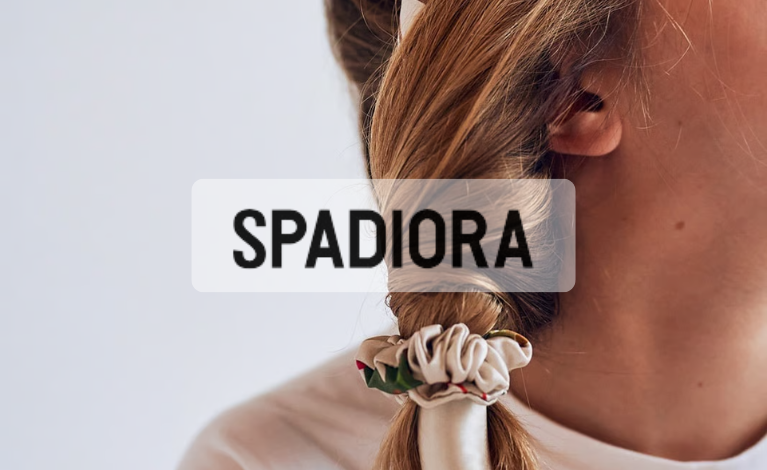
- Secure One Side: To make wrapping easier, you can use silk hair clips Spadiora to secure one side of the roller to your hair at the crown.
- Start Wrapping: Beginning on the unsecured side, take a small section of hair from the front. Wrap it over and around the roller, away from your face.
- Add More Hair: As you move down the roller, pick up a new section of hair and add it to the piece you are wrapping, continuing this process until all the hair on that side is wrapped around the roller.
- Secure the Ends: Once all hair is wrapped, secure the ends to the roller using a scrunchie or a gentle hair tie. Repeat on the other side.
- Leave Overnight: Sleep with the roller in place. The silk material is comfortable and, with proper wrapping technique, is unlikely to pull or snag.
- The Reveal: In the morning, gently remove the scrunchies and lift the roller out of your hair. Shake your curls out with your fingers, avoiding a brush initially to maintain definition.
| Do | Don’t |
| Start with almost-dry, detangled hair. | Wrap soaking wet hair, as it won’t dry. |
| Wrap sections tightly and evenly for definition. | Rush the process or wrap unevenly. |
| Protect the style with a silk bonnet if you toss and turn. | Use tight metal clips that can leave marks. |
How can I make my silk roller curls last even longer?
Once you’ve mastered the basic technique, a few extra steps can significantly boost the staying power of your heatless curls.
- Use a Prep Product: Before wrapping, apply a small amount of lightweight mousse or a flexible-hold styling spray to your damp hair. This provides a gentle structure for the curl to form around.
- Let Them Cool: After you remove the roller in the morning, avoid touching your curls for at least 10-15 minutes. This “cool down” period helps the curl pattern to fully set.
- Use Your Fingers First: Instead of immediately reaching for a brush, gently separate the curls with your fingers to achieve a more natural, voluminous look without pulling out the pattern.
- Finish with a Light Hairspray: Once you are happy with the style, a light mist of a flexible-hold hairspray can provide an invisible shield against humidity and movement throughout the day.
Are Silk Rollers the Secret to Effortless, Healthy Curls?
For those seeking a reliable way to achieve lasting curls without heat damage, the silk roller method delivers consistent results where other heatless options often fall short. Used with the right technique and given a full overnight set, it can support both style longevity and gentler hair treatment compared to heat styling — though individual results will vary depending on hair type and porosity. For those ready to try the method, Spadiora’s silk hair rollers offer a practical starting point.