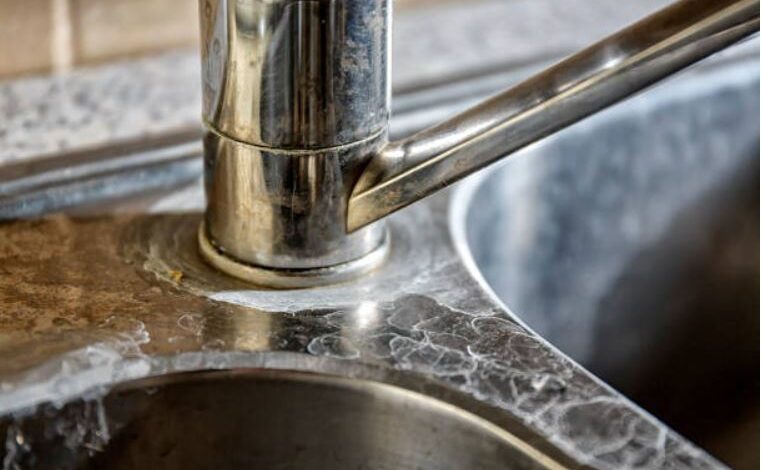
Hard water is often treated as a minor annoyance, containing naturally dissolved minerals, primarily calcium and magnesium. Most homeowners notice the white marks on taps, cloudy shower screens, or limescale inside the kettle and simply clean them away. What many people do not realise is that the real damage usually happens out of sight inside boilers, heating systems, appliances, and pipework.
Hard water affects millions of households, particularly in areas built on chalk and limestone geology. Around 60% of UK homes live with hard to very hard water conditions, especially across London, the South East, the East Midlands, and surrounding counties.
Calcium and magnesium minerals create limescale deposits that quietly reduce appliance efficiency, increase household energy consumption, and shorten the lifespan of expensive systems.
The Hidden Damage Happening Inside Your Home
1. Boilers and Heating Systems Lose Efficiency
One of the biggest problems with hard water is what happens inside a boiler.
As water heats, calcium deposits begin coating internal heating components and heat exchangers. Over time, limescale acts like insulation around heating elements, making it harder for heat to transfer efficiently into the water supply. That means:
- Boilers work harder
- More energy is consumed
- Heating cycles become longer
- Components experience additional strain
In modern UK homes, where heating and hot water already account for a significant portion of household energy bills, reduced boiler efficiency can become expensive surprisingly quickly.
Even a relatively thin layer of scale formation can contribute to:
- Household energy waste
- Inefficient water heating
- Higher utility bills
- Premature boiler breakdown
2. Appliances Wear Out Faster
Hard water also shortens the lifespan of domestic appliances.
Kettles, dishwashers, washing machines, and coffee machines all rely on internal heating elements and water circulation systems. Mineral deposits slowly build inside these components, restricting flow and forcing appliances to work harder than intended.
Many UK homeowners first notice:
- Kettles scaling repeatedly
- Dishwashers leaving cloudy residue
- Washing machines are losing efficiency
- Coffee machines are becoming blocked
A research article in Sustainable Production and Consumption consistently shows that limescale contributes to reduced appliance performance and shorter operational lifespan.
Some homeowners in hard water areas even describe kettles becoming “furry” from constant mineral buildup.
3. Pipes and Plumbing Slowly Become Restricted
The damage is not limited to visible appliances.
Inside plumbing systems, mineral deposits gradually narrow pipework and reduce water flow. Older UK homes with ageing copper pipes can be especially vulnerable to scale buildup and restricted circulation.
Common symptoms include:
- Weak showers
- Reduced water pressure
- Inconsistent hot water
- Slow-filling taps
- Noisy pipework
Within the drum and pipes, scales of minerals start accumulating, leading to obsolete pipes and low water flow in the system.
Can You Prevent Hard Water Damage?
Many households rely on vinegar, descaling sprays, and appliance cleaners to manage visible limescale.
While regular cleaning helps remove surface buildup, it only treats symptoms after mineral deposits have already formed. It does not stop scale from accumulating inside boilers, pipes, heating systems, and internal appliance components.
Water Softeners Address the Root Cause
Water softeners work by using ion-exchange technology to remove calcium and magnesium ions before water circulates through the home. This helps reduce:
- Scale buildup
- Plumbing restrictions
- Appliance wear
- Boiler inefficiency
For homeowners in hard water regions, prevention is often more cost-effective than ongoing repairs and replacements.
Maintaining a system properly with high-quality water softener salt helps ensure consistent soft water performance while reducing mineral buildup throughout the home. Proper softener maintenance also supports resin regeneration and long-term appliance protection.
Why Hard Water Costs More Than Most Homeowners Realise
As limescale builds up inside heating systems, boilers require more energy to heat water effectively.
Repeated reheating cycles and reduced thermal efficiency can significantly increase household running costs, especially as UK energy prices remain high.
Hard water also changes the way soap and detergent behave. Minerals react with cleaning products, reducing lather and leaving soap scum behind on tiles, shower screens, and glassware.
The Drinking Water Inspectorate notes that hard water leaves visible tide marks and scaling throughout the home.
For many households, cleaning becomes a constant cycle of removing the same limescale deposits repeatedly.
Signs Your Home May Have a Hard Water Problem
Many households live with hard water for years before identifying the cause. Common warning signs include:
- White chalky residue on taps
- Limescale inside kettles
- Soap scum in showers
- Dry skin after bathing
- Stiff laundry
- Cloudy glassware
- Reduced water pressure
These symptoms are particularly common in hard water areas across southern and eastern England.
Why Hard Water Is Becoming a Bigger Issue in UK Homes
Modern appliances are more efficient than older systems, but they are also more sensitive to internal scaling. Today’s:
- Combi boilers
- Smart washing machines
- Coffee systems
- Energy-efficient dishwashers
often use smaller internal channels and compact heating components. That means even moderate scale buildup can reduce efficiency faster than many homeowners expect.
Final Thoughts
As more homeowners focus on energy efficiency, appliance longevity, and smarter home maintenance, hard water is becoming harder to ignore.
Addressing the problem early can help protect plumbing infrastructure, improve heating performance, reduce maintenance costs, and create a more efficient home environment for years to come.