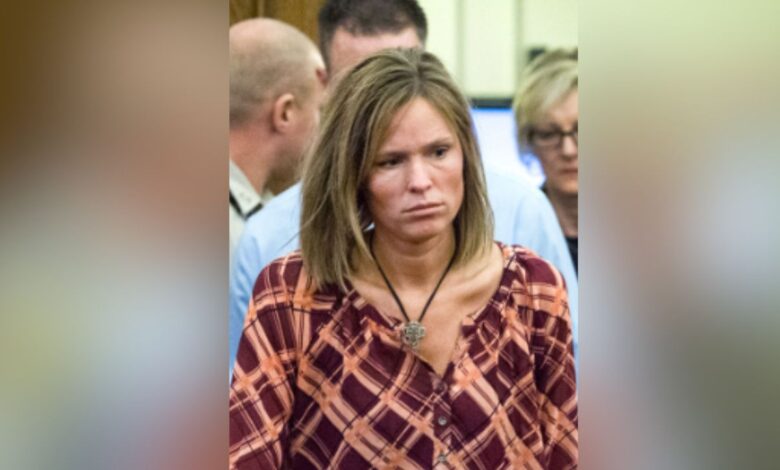
When people in a quiet place like Orange City, Iowa hear that a child has been hurt, the whole town feels it. And when the story involved a three-year-old girl named Autumn Elgersma and a daycare provider named Rochelle Sapp, the town felt something even deeper — shock, confusion, and heartbreak. Even today, people still talk about this case because it changed the way many parents look at in-home daycare and the trust they place in caregivers.
This Article will walk you through the early events, the main facts, the emotional moments that followed, and why the name Rochelle Sapp became known far outside her small Iowa community. Everything is explained in clear, simple words so the full picture is easy to understand.
The Day Everything Changed
On October 29, 2013, everything seemed normal in the Sapp home daycare in Orange City. Rochelle Sapp was caring for several children, including three-year-old Autumn Elgersma. But later that day, something went terribly wrong. Sapp called Autumn’s mother, Jennifer Elgersma, and said Autumn had fallen down the stairs while going to play in the basement. Jennifer rushed from work and took her daughter to a nearby hospital.
At first, the story seemed possible. Kids fall all the time. They bump their heads. They get scared. But doctors quickly saw something different. Autumn had serious head injuries, including trauma that was not easy to explain. She was airlifted to a hospital in Sioux Falls, South Dakota. There, doctors found a fractured skull and severe brain damage. A medical examiner later ruled her injuries a homicide caused by blunt force head trauma.
Two days later, on October 31, Autumn died.
The whole community of Orange City — a small, religious, and close-knit town — was shaken. People wore pink and purple in her memory, and nearly 200 people came to support the family. Even today, many still remember that moment like it just happened.
When the Story Changed
Investigators felt that Autumn’s injuries didn’t match a simple fall down stairs. Something felt wrong. When they questioned Rochelle Sapp again, she failed a polygraph test. After that, she told detectives a very different story.
According to her own confession, Sapp became angry when Autumn struggled to take off her coat. In that moment of anger, she picked her up and slammed her to the ground. It was a simple movement of frustration that caused a tragedy no one could ever undo.
Detectives also found incriminating text messages on Sapp’s phone — messages she had agreed to let investigators search. These messages and the confession became some of the strongest pieces of evidence in the case. Later, Sapp argued that the confession should be thrown out because she had not been read her Miranda rights and had not slept or eaten well. But Judge Edward Jacobson ruled that her confession and consent to the search were voluntary, and that investigators had treated her fairly.
These were some of the most important early moments in understanding the case of Rochelle Sapp.
The Charges and What Came Next
In the beginning, before Autumn died, Sapp was charged with willful injury and child endangerment causing serious injury. But prosecutors in Sioux County decided to drop those early charges “without prejudice” — meaning they could file new, more serious charges once the final autopsy results came in.
When the medical examiner confirmed that Autumn’s death was a homicide, the case changed direction fast. Sapp was arrested and charged with:
- First-degree murder
- Child endangerment resulting in death
First-degree murder in Iowa carries an automatic life sentence without parole. That led to months of legal work, emotional delays for the family, and questions from the entire community about what would happen next.
During this time, Autumn’s family — her parents Jennifer and Phil, her aunt Rachel Lamfers, and her grandparents — faced the hardest days of their lives. They had trusted Sapp completely. Jennifer said she once believed every explanation Sapp gave for Autumn’s earlier small injuries — a split chin, a black eye, a bloody lip. Only later did she learn that prosecutors believed Sapp had harmed Autumn multiple times over eight months, which would later lead to an Alford plea on child endangerment with multiple acts.
The Secret Plea Deal Everyone Waited For
As the legal case grew, something unusual happened. Prosecutors reached a plea agreement, but it was kept secret for weeks. The Iowa Attorney General’s Office and Sioux County Attorney Thomas Kunstle both agreed that the deal should not be released until the day of the plea hearing. Judge Jacobson agreed to delay the public release of the plea.
This secrecy caused a lot of tension in Orange City. People wanted answers. They wanted to know what would happen to Rochelle Sapp. They wanted to know if she would face a life sentence or something else.
When the plea details finally became public, many were stunned. Instead of facing first-degree murder charges, Sapp agreed to plead guilty to:
- Involuntary manslaughter
- Child endangerment resulting in death
- Child endangerment with multiple acts (Alford plea)
Prosecutors dropped the first-degree murder charge in exchange.
The Sentencing of Rochelle Sapp
Judge Edward Jacobson listened to both sides, and then he announced the sentence. Under the plea agreement, Rochelle Sapp would receive an indeterminate sentence of up to 100 years in prison. “Indeterminate” means there is no fixed number of years she must serve. There is no mandatory minimum. Instead, the Iowa Board of Parole will decide when she is released.
Many people were surprised by how the sentence worked. Some thought the number sounded huge — 100 years is a long time. But law professor Bob Rigg explained that in Iowa, people who receive sentences like this often serve around 15 to 20 years, depending on their behavior and the choice of the parole board. His explanation helped people understand what the court’s decision meant in real life.
The court also ordered restitution. Sapp must pay $7,500 to Sioux County and $150,000 to Autumn’s family. While money can never replace a child, restitution is required by Iowa law in cases of wrongful death.
The Emotional Words in Court
One of the hardest moments came when Jennifer Elgersma, Autumn’s mother, spoke in court. She talked about all the times she trusted Rochelle Sapp. She spoke about the small injuries Autumn had suffered over the months — the split chin, the black eye, the bloody lip — and how she had believed every explanation Sapp gave. Her voice shook as she talked about betrayal, grief, and the deep pain of losing a child.
Autumn’s aunt, Rachel Lamfers, also spoke. She said the family supported the plea deal because they did not want to go through a long and painful trial. But she also said it hurt that Sapp never apologized. Her words captured what many families feel in situations like this — a mix of understanding and heartbreak.
Even Autumn’s grandparents shared their memories. They talked about how Autumn brightened their home and their lives. They described her joy, her smile, and how much she meant to everyone. Their words reminded the courtroom that behind every legal charge and every piece of evidence, there was a real child, a real family, and a real loss.
Why the Confession and the Evidence Mattered So Much
In cases like this, the details matter. The confession by Rochelle Sapp was one of the most important pieces of evidence. After she failed the polygraph, she admitted that she became angry and slammed Autumn to the ground. That single act caused the injuries that led to the little girl’s death.
Sapp tried to have her confession and the text messages found on her phone thrown out. She said she had not been read her Miranda rights and had not slept or eaten well. But Judge Jacobson reviewed everything and ruled that the confession was voluntary. He said investigators treated her “quite well” and did not violate her rights.
Without that confession — and without the text messages — it would have been harder for prosecutors to prove the case. This is why those pieces of evidence were so important. They helped show what really happened inside that daycare on October 29, 2013, and they helped lead to the final plea agreement.
How the Case Changed the Community
The case of Rochelle Sapp changed Orange City. It changed the way parents looked at in-home daycare. It changed how people thought about trust. In a small, conservative, and religious town of only 6,200 people, everyone knows someone. So when something like this happens, the entire community feels it.
Neighbors talked about the case at church, at school, at the grocery store. Many parents began checking on their daycare providers more closely. Some felt fear. Others felt anger. And almost everyone felt sadness for the Elgersma family.
Even outside Iowa, the case gained attention. News outlets reported on the autopsy, the blunt force injuries, the homicide ruling, the child endangerment charges, and the unusual secrecy around the plea deal. The Associated Press wrote updates that were read across the country. People far away felt the weight of what happened in that small home daycare.
The Final Steps of the Case
After the sentencing, Rochelle Sapp, now in her mid-30s, went to prison to begin her sentence. She will remain there until the Iowa Board of Parole reviews her case years from now. Some people believe she should never get out. Others think the sentence is fair. But the final decision rests with the parole board.
For the Elgersma family, the case will always be personal. They lost a daughter, a granddaughter, a niece. And while the legal process has ended, the emotional journey continues. Their strength, their words in court, and the support of their community show how deeply Autumn was loved.
Looking Back at What We Can Learn
When you look at the full story of Rochelle Sapp, many lessons stand out. It reminds us how important it is to protect children, especially in places where parents are not present. Shows why investigators must look closely at injuries that do not match the story being told. It shows how a confession, a polygraph failure, medical reports, and autopsy results can all come together to reveal the truth.
And it shows something else too — how a community comes together in moments of pain. The people wearing pink and purple at the courthouse proved that Autumn’s short life will never be forgotten.