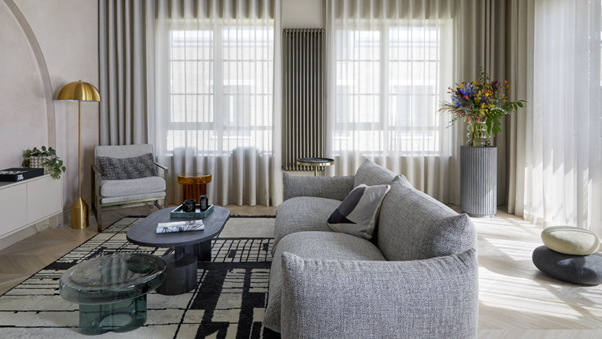
For facility managers, interior designers, and operators, having a comprehensive furniture checklist helps ensure that every space meets the needs of both residents and caregivers.
Why Furniture Selection Matters in Retirement Communities
Furniture influences nearly every aspect of daily life within a retirement community. It affects mobility, social interaction, infection control, maintenance costs, and resident satisfaction.
Unlike traditional residential furniture, products used in senior living environments must withstand continuous use while supporting aging individuals with varying physical and cognitive abilities. This is why many organizations partner with experienced aged care furniture manufacturers that understand healthcare-grade requirements and long-term performance standards.
Essential Resident Room Furniture
Resident rooms serve as personal living spaces and should prioritize comfort, independence, and accessibility.
Adjustable Beds
A high-quality bed is the foundation of resident well-being. Adjustable beds support comfort, improve mobility, and assist caregivers during daily care routines.
Key considerations include:
- Easy height adjustment
- Durable healthcare-grade construction
- Safe side rail options
- Easy-to-clean surfaces
Supportive Lounge Chairs
Residents spend significant time sitting throughout the day. Chairs should offer proper lumbar support, stable armrests, and seat heights that facilitate safe transfers.
Look for:
- Ergonomic design
- Pressure-reducing cushioning
- Non-slip feet
- High-durability upholstery
Bedside Cabinets and Storage Units
Accessible storage helps residents maintain independence while keeping personal belongings organized.
Essential features include:
- Smooth drawer operation
- Rounded safety edges
- Durable materials
- Easy cleaning and maintenance
Dining Area Furniture Essentials
Dining rooms function as important social hubs within retirement communities. Furniture must support both comfort and operational efficiency.
Dining Chairs
Dining chairs should encourage proper posture while allowing residents to sit and stand comfortably.
Important characteristics include:
- Stable construction
- Supportive armrests
- Easy-to-clean finishes
- Lightweight yet durable frames
Dining Tables
Tables should accommodate wheelchairs, walkers, and varying mobility needs without compromising aesthetics.
Ideal tables offer:
- Rounded corners
- Durable scratch-resistant surfaces
- Adequate leg clearance
- Flexible seating arrangements
Lounge and Community Space Furniture
Modern retirement communities increasingly emphasize social engagement. Well-designed communal areas help reduce isolation and encourage interaction.
Comfortable Sofas and Seating Groups
Soft seating creates welcoming environments for residents, visitors, and staff.
Recommended features:
- Firm seat support
- Healthcare-grade upholstery
- Easy maintenance
- Reinforced internal construction
Activity and Multipurpose Tables
Community spaces often host games, crafts, meetings, and wellness programs. Multipurpose tables provide flexibility while supporting changing activity requirements.
Choose options with:
- Durable surfaces
- Easy mobility
- Adjustable configurations
- Long-term structural stability
Healthcare and Wellness Furniture
Many retirement communities incorporate wellness services and healthcare support within the facility.
Treatment Room Furniture
Furniture used in healthcare areas must comply with strict hygiene and durability requirements.
Essential items include:
- Examination chairs
- Medical carts
- Consultation seating
- Adjustable treatment tables
Materials should resist moisture, cleaning chemicals, and frequent disinfection.
Rehabilitation Furniture
Rehabilitation and therapy spaces require furniture designed to support recovery and physical activity.
Important considerations include:
- Stability during exercises
- Ergonomic support
- Adjustable functionality
- Long-lasting construction
Safety-Focused Furniture Features
Safety remains a primary concern across all retirement living environments.
When evaluating retirement home furniture, decision-makers should prioritize products with:
1: Rounded Edges
Rounded corners help minimize injuries caused by accidental impacts.
2: Non-Slip Components
Furniture should remain stable during use, reducing fall risks for residents with mobility limitations.
3: Easy-to-Clean Surfaces
Effective infection control depends on furniture that can withstand frequent cleaning without deterioration.
4: High Weight Capacity
Furniture must safely accommodate diverse resident populations while maintaining structural integrity over time.
Durability and Long-Term Value
Retirement communities experience constant daily use. Furniture that performs well under these conditions helps reduce replacement costs and operational disruptions.
Partnering with reputable aged care furniture manufacturers ensures access to products specifically engineered for healthcare and senior living environments. These manufacturers understand industry standards related to safety, durability, infection control, and ergonomic performance.
Key indicators of durable furniture include:
- Commercial-grade construction
- Reinforced joints and frames
- Wear-resistant upholstery
- Moisture-resistant finishes
- Comprehensive product warranties
Creating Future-Ready Retirement Communities
Senior living environments continue to evolve as resident expectations and care models change. Flexible furniture solutions allow communities to adapt to future needs while maintaining high standards of comfort and functionality.
Modern retirement home furniture should support independence, encourage social interaction, simplify maintenance, and enhance the overall resident experience. By following a comprehensive furniture checklist and investing in quality healthcare-grade products, retirement communities can create safe, welcoming, and sustainable environments that support residents for years to come.
Selecting the right furniture is not simply a design decision—it is a long-term investment in resident well-being, operational efficiency, and the overall success of the community.