Menswear has been moving away from the very narrow jackets and ankle-tight trousers associated with the 2010s. Current suits allow more ease through the chest, thigh and lower leg, while still relying on accurate shoulders and clean lines. The result looks considered rather than oversized when the proportions are correct.
This change is useful for three-piece tailoring. A waistcoat adds a fitted layer, so the surrounding jacket and trousers do not need to grip the body to communicate formality. More room also helps during long weddings, race days and dinners when the wearer spends hours sitting, walking and eating.
Selecting A Marc Darcy 3 Piece Suit with Modern Proportions
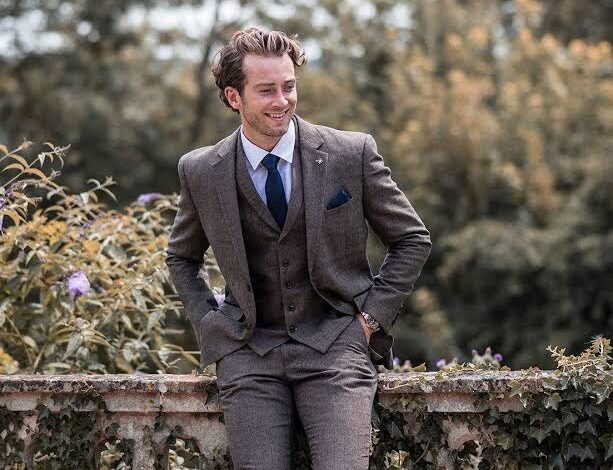
A Marc Darcy 3 Piece Suit provides a jacket, trousers and waistcoat intended to work as one design. TruClothing’s range includes herringbone checks, Prince of Wales patterns, double-breasted waistcoats and tuxedo-influenced options. The visual detail is already present, so there is no need to force an aggressively tight fit.
Use the product size guidance as a starting point and take current measurements. The shoulder seam should reach the natural shoulder without extending beyond it. The jacket should close without an X-shaped pull, and the trousers should fall without catching on the calf. A modern fit may be shaped, but it must still allow ordinary movement.
The waistcoat remains the closest layer
Relaxed tailoring does not mean a loose waistcoat. It should sit close enough to remain smooth beneath the jacket, while allowing a full breath and comfortable sitting. The front should cover the trouser waistband so no shirt appears between the pieces. The back adjuster can remove a small amount of excess, but pulling it hard creates folds and distorts the front.
Try the waistcoat after a meal as well as before one. Formal events often run for many hours, and a fit that feels acceptable early in the day can become restrictive. If the buttons pull or the armholes cut into the body, choose a different size or ask whether an alteration is sensible.
Wider trousers need accurate length
As trouser legs become less narrow, the hem and break become more visible. A fuller leg usually looks best when it reaches the shoe cleanly, with little or a modest break depending on the design. Excess cloth pooling over the footwear appears untidy, while a very short hem can make a balanced suit look abruptly cropped.
Take the intended shoes to the tailor. Loafers, Oxfords and boots have different shapes and heights, which affect how the cloth falls. Ask for both legs to be marked while standing naturally. Differences in posture can make one finished leg appear longer even when the measurements are technically equal.
Keep the jacket in proportion with the leg
A slightly easier trouser can make an extremely short jacket look unbalanced. The jacket should have enough length to relate to the rise and width of the trousers. This does not require a vintage cut. It means judging the full outline rather than treating jacket, waistcoat and trousers as separate slim-fit targets.
Check photographs from a few metres away. Close mirrors draw attention to small details, while distance reveals overall proportion. The jacket, visible waistcoat and trouser line should form a continuous outfit. If one part appears unusually small, the set may need another size or a different cut.
Current colour does not have to mean loud colour
Earthy brown, tan, deep green and textured blue have become stronger menswear choices alongside navy and grey. Marc Darcy’s checked and herringbone suits fit this interest in colour with depth. A pattern can make the outfit current without depending on a very bright shirt or tie.
For a brown or tan suit, white, cream and pale blue shirts provide useful options. Blue and grey checks work with white or light blue. Use a plain tie that takes one minor colour from the cloth. Tonal dressing can look modern, but each element needs enough difference in shade or texture to remain visible.
Accessories should not recreate an earlier era
Three-piece suits can attract heritage accessories such as pocket watches, tie pins and flat caps. These items may suit a themed occasion or personal style, but they are not required. Wearing every traditional detail at once can make a current suit look like costume. One accessory with a clear purpose is usually enough.
A simple pocket square, polished shoes and a well-chosen tie allow the cut and fabric to lead. For an evening event, a darker shirt may work with certain designs, but the dress code should be checked carefully. Black tie still calls for proper dinnerwear details rather than an ordinary suit styled informally.
Movement is part of the fitting
Walk up stairs, sit in a firm chair and reach forward as though greeting someone across a table. The jacket may feel more structured than casual clothing, but it should not create sharp restriction. The trousers should remain secure without cutting into the waist, and the waistcoat should stay over the waistband.
Do not judge room solely by inserting a hand inside the jacket. Different constructions behave differently. The visual signs matter: smooth lapels, closed vents, flat pockets and cloth that returns to position after movement. A tailor can refine sleeve length and waist shape once the main size is correct.
Relaxed tailoring needs disciplined care
More cloth does not excuse poor pressing. Trouser creases, jacket lapels and waistcoat fronts need to remain clean. After wear, hang each piece correctly and allow it to air. Avoid crushing the suit into a narrow wardrobe space, as broader lapels and structured shoulders need support.