Who Is Yolande Knell? The BBC Journalist Bringing the Middle East to Our Screens

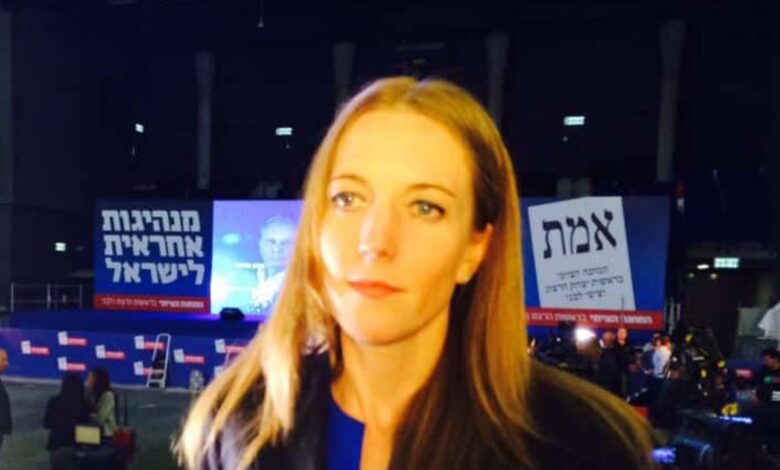
Have you ever watched BBC News and heard the name Yolande Knell? If you follow international stories, especially from the Middle East, you’ve probably seen or heard her reports. She’s that calm, clear, and thoughtful voice explaining what’s really happening in places like Gaza, Jerusalem, or Syria.
But who exactly is Yolande Knell? What’s her story, and why do so many people trust her reporting? Let’s take a closer look at her life, her career, and what makes her one of the BBC’s most respected correspondents.
Early Life and British Roots
Yolande Knell was born and raised in the United Kingdom. While she keeps many details of her early life private, it’s known that she grew up in London — a city full of culture, languages, and international stories. It’s easy to imagine how living in such a diverse place could spark her curiosity about the wider world.
Even as a student, Knell was fascinated by global issues. She had a love for languages and understanding people from different backgrounds. This interest soon shaped her path. She went on to study subjects like Arabic and International Studies, giving her the tools to one day report from the very places she used to read about.
She attended respected universities, including the University of Exeter and possibly Oxford University. Some reports even mention she studied further at Johns Hopkins SAIS, one of the world’s top schools for international relations. With such a strong academic background, it’s no surprise that she became a journalist who can explain complex events in a way everyone can understand.
Starting Her Career at the BBC
Before she became the face of BBC reporting in the Middle East, Yolande Knell started her career behind the scenes. In the early 2000s, she worked with the BBC World Service, learning how to tell global stories through radio. Her early reports covered international issues and humanitarian events, helping her gain experience and confidence in a fast-paced news environment.
Over time, she moved into television reporting. You may have seen her name on BBC Newsround around 2013, where she helped explain global events to younger audiences. Her friendly tone and simple explanations made complicated issues easier to understand — something she still does beautifully today.
By the mid-2010s, her dedication paid off. Yolande Knell became the BBC’s Middle East Correspondent, based in Jerusalem. From there, she began reporting from some of the most challenging and emotional places in the world — from Gaza to Syria, Lebanon, and Egypt.
Life as a BBC Middle East Correspondent
Being a BBC correspondent in the Middle East is not an easy job. Every day brings new stories, new dangers, and new emotions. But this is where Yolande Knell shines. Her calm and thoughtful reporting helps viewers understand what’s happening beyond the headlines.
For example, during conflicts in Gaza, Knell doesn’t just show explosions or politics. She often focuses on people — families rebuilding their homes, children returning to school, or doctors working through the night to help the injured. These small stories remind the world that behind every headline are real human lives.
She also covers big political moments like peace talks, elections, and human rights debates. Her ability to explain both sides fairly has made her one of the BBC’s most trusted voices. Whether you’re watching BBC World News, listening to BBC Sounds, or reading her articles online, you’ll notice her trademark balance and empathy.
What Makes Yolande Knell Different
Many journalists report from conflict zones, but Yolande Knell has something special — a human touch. Instead of focusing only on governments and armies, she brings attention to ordinary people caught in the middle.
She once helped produce a BBC radio programme called People Fixing the World, where she shared stories about amputees in Gaza receiving artificial limbs. It wasn’t just about tragedy — it was about hope. That’s what makes her reporting stand out: it helps the world see both the pain and the strength that exist side by side.
Her clear voice and balanced tone have also made her a familiar presence on shows like the BBC Global News Podcast. Listeners often praise her for staying calm even when reporting from dangerous places. It’s this professionalism — mixed with compassion — that has earned her so much respect.
Education and Skills That Shaped Her Career
What makes someone so good at understanding the Middle East? For Yolande Knell, it’s a mix of education, experience, and empathy. Her studies in languages and international relations gave her the knowledge to understand history and politics. But her real learning came from the field — from talking to people, visiting refugee camps, and witnessing events as they happen.
She’s fluent in Arabic, which helps her connect directly with local communities. This ability allows her to hear real stories, not just translated ones. It’s one of the reasons why her reports feel so authentic — because they come from first-hand conversations and observations.
Knell’s training also reflects the BBC’s highest standards. As a British journalist, she works under strict rules of accuracy, fairness, and neutrality. These values guide every report she makes, ensuring that her audience gets the full picture — not just one side of the story.
Her British Identity and What It Means
Yolande Knell’s British nationality is more than just a fact — it’s part of what defines her work. As a BBC journalist, she carries the responsibility of representing a trusted global news brand. This means working carefully, verifying facts, and presenting stories with honesty.
Being British also gives her certain advantages when reporting from foreign regions. It provides diplomatic protections and press access that make it easier and safer for her to work in high-risk areas. But it also brings responsibility. Every word she reports is seen by audiences around the world who rely on the BBC for fair and balanced coverage.
Her British background also influences her storytelling style. She brings the BBC’s values of impartiality and public service to every story she covers — whether it’s a breaking event in Gaza or a human-interest piece from Lebanon.
Balancing Professionalism and Privacy
One of the most interesting things about Yolande Knell is how private she is. In a world where many journalists share everything online, Knell keeps her personal life completely off the record.
She doesn’t talk about her family, relationships, or home life. There’s no confirmed information about whether she’s married or not, and she’s never made any public statement about it. For someone constantly in front of cameras, this choice says a lot.
Her privacy isn’t just about preference — it’s also about safety and focus. Journalists who work in conflict zones often avoid sharing personal details for security reasons. But it also shows her belief that the story should always come first, not the reporter.
It’s refreshing to see a public figure who lets her work speak for itself, especially in a time when oversharing is the norm.
Her Work and Major Achievements
Over the years, Yolande Knell has covered some of the world’s most difficult and emotional stories. She has reported from Gaza, the West Bank, Syria, and Lebanon, often standing in places where few journalists dare to go. Her calm and steady reporting helps people across the world understand what life is really like for those caught in conflict.
She doesn’t only report breaking news — she also creates human stories that show the courage, kindness, and struggle of ordinary people. Whether it’s a family rebuilding after war or aid workers helping refugees, Knell’s reports make sure their voices are heard.
Her work on BBC radio, television, and online platforms has reached millions. She’s been part of special BBC programmes and podcasts that explore real solutions to real problems — like her story about artificial limbs giving hope to amputees in Gaza. This kind of journalism is more than news; it’s storytelling with purpose.
Even though she doesn’t often talk about awards, her name has been linked with respected honors such as BBC Journalism Awards and One World Media recognitions. These are given to journalists who make a positive difference through ethical and impactful reporting — something Knell clearly stands for.
Facing Challenges with Strength
Being a reporter in the Middle East isn’t just hard — it’s risky. Yolande Knell often works in areas affected by conflict, where safety can never be taken for granted. She has seen destruction, grief, and fear up close, yet she continues to do her job with calm and compassion.
Journalists like Knell face many challenges — not just physical danger, but also emotional pressure. Reporting on war and suffering can take a heavy toll. Still, she remains focused on telling the truth. Her balanced tone shows that she cares deeply about the people she reports on, while also respecting the responsibility that comes with sharing their stories.
There’s also the challenge of criticism. In such a politically charged region, even balanced reporting can draw anger from one side or another. But Knell’s professionalism keeps her grounded. She knows that real journalism means showing every side of the story, not just the one people want to hear. That’s what keeps her respected across different audiences and countries.
Her Net Worth and Career Success
When people talk about journalists, they often wonder how much they earn. For someone like Yolande Knell, the real value lies not in money but in credibility. Still, based on reports, her estimated net worth is believed to be between $500,000 and $1 million.
This estimate fits her long career at the BBC and the typical salary range for a BBC foreign correspondent, which is around $50,000 to $110,000 a year. Her income comes from years of field reporting, global assignments, and contributions to BBC radio and online features.
While she’s successful financially, what stands out more is her professional respect. She’s earned trust from viewers, fellow journalists, and humanitarian organizations. In today’s world, where trust in media can be shaky, Knell’s honest and consistent work is worth far more than numbers in a bank account.
Why Yolande Knell Has No Wikipedia Page
It might surprise some people that Yolande Knell doesn’t have her own Wikipedia page, especially considering her years of work and global recognition. But there’s a reason behind that.
Wikipedia requires certain types of public references and independent articles before creating a page about someone. Knell’s career has been covered mostly through BBC outlets, which makes it harder to meet those guidelines. Also, she’s a very private person — she doesn’t promote herself or share personal information publicly.
That’s probably another reason why there isn’t an official page yet. Still, her work is easy to find through the BBC website, podcasts, and other international media platforms. So even without a Wikipedia entry, her impact and reputation are already clear to anyone who follows her reporting.
The Importance of Her British Nationality
As we learned earlier, Yolande Knell’s nationality plays a big part in her career. Being a British journalist gives her both responsibility and opportunity. Working under the BBC banner means she must follow strict rules of fairness, truth, and neutrality — values that define the best of British journalism.
Her nationality also helps with diplomatic access and security in foreign zones. In some countries, British reporters get more protection and support through embassies and international press laws. This allows her to continue working safely even in areas of conflict.
More importantly, her British background helps her connect with global audiences. People around the world trust the BBC, and journalists like Knell carry that trust forward. When she reports from Gaza or Syria, viewers know they’re hearing a story told with care and honesty.
Her Private Life and Simple Living
In a world full of social media, it’s rare to find someone as private as Yolande Knell. She doesn’t post about her personal life, and there’s no public record of her being married. There’s also little information about her family — no names, no photos, no gossip.
Some might see this as mysterious, but it’s actually smart and professional. Reporters who work in conflict areas often choose privacy for security reasons. It also allows them to focus on the story, not on themselves.
Knell’s quiet lifestyle shows that she values peace, safety, and professionalism over fame. It’s a reminder that success doesn’t always mean being visible — sometimes it means doing your work well and letting it speak for you.
Her Legacy and Impact on Journalism
Over time, Yolande Knell has become more than just a BBC journalist — she’s a symbol of what ethical and human-centered journalism should look like. She reports facts, but she also gives those facts heart and meaning.
Her work has influenced how the world understands the Middle East. Politicians, humanitarian groups, and ordinary viewers all rely on her balanced reporting to form opinions and decisions. That’s a huge responsibility, and she handles it with quiet confidence.
You can often hear her voice in documentaries, read her name on BBC articles, or listen to her explain complex events in ways that anyone can understand. She’s not just telling stories — she’s helping people connect with those stories. That’s what makes her legacy so strong.
Final Thoughts
In a time when news spreads fast and opinions are loud, journalists like Yolande Knell remind us of the power of truth, balance, and compassion. She shows that being a reporter isn’t just about headlines — it’s about humanity.
From her early days in London to her years reporting from Jerusalem, Knell has built a career that’s both brave and inspiring. She may not seek fame or attention, but her work speaks loudly across the world.
So, whether she’s standing in a refugee camp, reporting live on BBC News, or quietly writing an article from the field, one thing stays true — Yolande Knell stands for honesty, empathy, and the kind of journalism that truly matters.