When you hear the name Biala Synagogue, you might think of just a building. But the truth is, it is much more than that. It is a warm and active place where people pray, learn, celebrate, and stay connected to their traditions. For many families, it feels like a second home — a place filled with history, meaning, and comfort.
As you step inside, you can sense that the story of It is not only about walls, rooms, or old books. It is about the people who built it, the families who kept it alive, and the community that continues to grow around it today. The synagogue has a long and beautiful journey that stretches from Poland to London, and its story still continues.
Historical Background
The story of Biala Synagogue begins with the Biala Hasidic movement, a group that came from Poland in the nineteenth century. These families carried strong traditions, deep faith, and a love for community life. When they moved to new places, they made sure their customs stayed alive. After the Second World War, many followers settled in London and formed the first Biala congregation in the 1940s.
This early group met in Dalston, at 10 St. Mark’s Rise. It was a simple place, but it meant everything to the people who gathered there. They prayed, learned, and celebrated together for more than twenty years. Even though this first synagogue closed in the 1960s, the spirit of Biala did not disappear.
In the early 1990s, the Biala community came back even stronger. This time, they settled in Stamford Hill, a part of London known for its rich Jewish life. They opened a new Biala Beth Hamedresh on Castlewood Road, and as the community grew, they moved to a bigger and more suitable location on Moundfield Road. This move helped the traditions of the Biala Hasidim stay strong in the heart of London.
Location and Community Setting
Today, Biala Synagogue stands proudly in Stamford Hill, one of the most active Jewish areas in Europe. When you walk through the neighbourhood, you see kosher shops, Jewish schools, and many families heading to prayer. The area has a unique warmth, and the synagogue fits right into this lively setting.
The location is easy to reach. Both Stamford Hill Station and South Tottenham Station are nearby. This makes it simple for people from different parts of London to come and join services. Many members even walk from their homes because they live close by, which is especially helpful during the Sabbath when driving is not allowed.
The synagogue is placed in a quiet residential area, so it feels peaceful and welcoming. Families pass by on their way to school or work, and the building stands as a reminder of community life. It is not only for locals — many people travel from other boroughs because they feel connected to the atmosphere and teachings at Biala Synagogue.
Religious Affiliation and Practices
Biala Synagogue follows Ashkenazi Orthodox Judaism and is part of the Union of Orthodox Hebrew Congregations. This means that the synagogue follows strong traditions that have been kept for many generations. Every day, prayers take place several times. On the Sabbath, the building fills with singing, warmth, and a deep sense of peace.
The teachings of the Biala Rebbes guide much of the synagogue’s spiritual life. These leaders came from Poland and inspired followers with messages of joy, devotion, and kindness. Their words still shape the way the community prays and learns today. People often say that services at It feel lively and warm, with a strong sense of togetherness.
Visitors also notice how welcoming the community is. Even if you are new, someone might greet you with a smile or offer to help you find a seat. There is a natural kindness in the air, and it makes many people feel right at home.
Architectural Development
The current home of Biala Synagogue is a beautiful purpose-built centre designed to meet the needs of a growing community. The building is modern, yet it respects tradition. When you look around, you see natural stone, exotic wood, and stained-glass windows that bring soft light into the prayer hall. These features give the building a simple beauty that feels both dignified and calm.
Inside, the space is wide and bright. There is a large prayer hall where the community gathers, as well as rooms for celebrations, learning, and events. The mikvah, a ritual bath used for purification, is built to a high standard and is an important part of Jewish life. There are also catering areas for weddings, bar mitzvahs, and other special occasions.
The design of the building shows one clear message: Biala Synagogue is not only for prayer. It is a place for life. It is where families gather for happy moments, where children grow up, and where the community comes together in unity.
Education and Cultural Role
Learning is a major part of life at Biala Synagogue. The synagogue offers classes for children, teenagers, and adults. People study Torah, Hebrew, and Jewish law in a friendly and supportive setting. Young members are encouraged to ask questions, learn stories, and explore their faith in simple and meaningful ways.
There is also a large library filled with books. Many members come to read, study, or join small learning groups. These quiet sessions bring people closer, helping them share ideas and learn from one another. Sometimes you might even see a father and son studying together or a group of friends discussing a Torah portion. These moments make the synagogue feel alive with knowledge and connection.
Inclusivity and Accessibility
One thing that stands out about Biala Synagogue is how inclusive and accessible it is. The building is fully wheelchair-friendly, with special entrances, toilets, seating areas, and parking spaces. This makes it easy for everyone — young, old, or those with mobility needs — to take part in community life.
People often talk about the warm welcome they receive when they visit. Someone might offer you a drink, show you the library, or simply start a friendly conversation. This hospitality makes the synagogue feel open and comforting. Whether you come to pray, learn, or just take a quiet look around, you feel like you belong.
Charitable Work and the Biala Synagogue Trust
A strong part of life at Biala Synagogue is its focus on giving and helping. The synagogue is guided by the Biala Synagogue Trust, a registered charity that looks after everything from daily needs to long-term plans. The Trust works quietly in the background, but its work is felt everywhere.
The Trust uses donations from members and supporters to run classes, keep the building in good shape, and support different community programs. For example, funds help maintain the mikvah, buy new books for the library, and offer learning sessions for children and adults. These small steps make a big difference because they help keep the synagogue open, active, and welcoming.
You can think of the Trust like the foundation of a home. You may not see it, but without it, the home would not stand strong. In the same way, the Trust keeps Biala Synagogue steady, safe, and ready for future generations.
Festivals and Celebrations
Jewish festivals are some of the happiest and most meaningful moments at Biala Synagogue. Each holiday brings its own joy, traditions, and memories. During the High Holy Days, such as Rosh Hashanah and Yom Kippur, the synagogue fills with deep prayer and reflection. People come together to think about their lives, ask for a good new year, and feel spiritually renewed.
Other festivals bring a lighter, more joyful mood. On Passover, families prepare for the Seder and share stories of freedom. During Sukkot, many gather in outdoor huts to eat meals and enjoy the fresh air. Shavuot is marked by learning, often late into the night.
Purim is one of the most fun times of the year. Children dress in costumes, adults read the Megillah with excitement, and gifts of food are exchanged. Hanukkah brings warm light to winter nights, with candles glowing in homes and in the synagogue. All these celebrations help the community stay close, reminding everyone how important it is to come together and share tradition.
Role in Stamford Hill’s Jewish Identity
Stamford Hill is known around the world for its strong Orthodox Jewish identity. When people think of this area, they picture families walking to prayer, kosher shops on the streets, and children in Jewish schools. Biala Synagogue plays a big part in this picture. It is one of the places that helps make Stamford Hill feel alive and full of Jewish culture.
For many families, living near It is special. It means they can walk to services, join events easily, and feel connected to their community every day. The synagogue adds to the neighbourhood’s spirit and shows how Jewish life can stay strong even in a busy, modern city.
If you walk through Stamford Hill, you might see people greeting each other as they pass by the synagogue. These simple moments show the heart of the community. It is not only a building — it is a symbol of continuity, pride, and shared identity.
Modern Challenges and Responses
Like all community centres, Biala Synagogue faces modern challenges. The world changes quickly, and the synagogue must adapt while still holding on to its traditions. One challenge is keeping younger generations involved. Many young people live fast-paced lives, so the synagogue works hard to offer classes, events, and activities that speak to them in a simple and meaningful way.
Another challenge is safety. Communities everywhere must think about security today. It responds with care and planning, ensuring the building and its members stay protected. This helps everyone feel comfortable when they come to pray or learn.
The synagogue also works to balance old traditions with modern needs. This is where the new building design and the welcoming atmosphere become so important. With accessible spaces, bright rooms, and a friendly environment, It shows that it can honour its past while looking ahead.
Why Biala Synagogue Matters Today
In today’s world, it is easy to feel disconnected or rushed. Places like Biala Synagogue remind us that community, faith, and tradition still matter. The synagogue offers a quiet space to think, pray, and reconnect. It gives families a safe place to celebrate life events, learn, and grow.
The building itself tells a story. Every stone, every window, and every book in the library carries memories of the past. At the same time, the sounds of children learning or people talking over coffee show the life of the present. This mix of old and new makes It special.
The synagogue also teaches an important lesson: heritage must be protected and passed on. When we learn about the history of the Biala Hasidic dynasty or the journey from Poland to London, we understand how strong communities can be. These stories inspire us to value our own traditions and to support the places that keep them alive.
A Wider Look at Synagogues Around the World
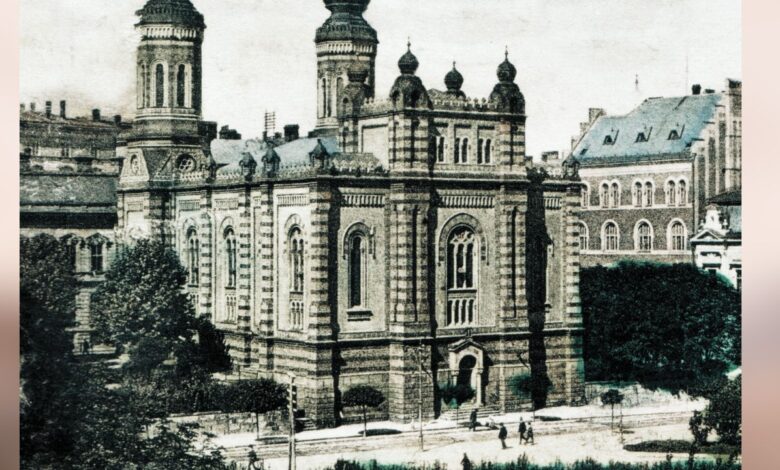
While Biala Synagogue holds a special place in London, it is also part of a wider global story. There are synagogues all over the world, each with its own history and style. The Belz Great Synagogue in Jerusalem is the largest, showing how grand Jewish architecture can be. The synagogue in Sofia, Bulgaria, is the biggest in the Balkans and highlights Jewish life in Eastern Europe.
In India, the Paradesi Synagogue in Kochi is the oldest active synagogue. It stands as a reminder that Jewish communities existed even in far-off places. Other sites like the Magen David Synagogue in Kolkata show the rich diversity of Jewish heritage.
When we compare these sites, we see that every synagogue — big or small — carries stories of faith, survival, and identity. It is part of this beautiful chain, helping keep Jewish culture strong.
Conclusion
Biala Synagogue is more than a place to pray. It is a living centre of faith, learning, and community life. Its history comes from the Biala Hasidic dynasty, but its heart beats strongly in London today. The synagogue brings people together for study, festivals, celebrations, and moments of reflection.
Its warm atmosphere, inclusive design, and meaningful traditions make it a place where anyone can feel welcome. Whether through a simple class, a joyful holiday, or a quiet moment of prayer, It continues to touch lives.
As you walk through its halls, you feel the past and the present coming together. You sense the strength of a community that has held on to its identity through many changes. And you understand why It remains an important part of Jewish life — not only in Stamford Hill, but in the wider story of Jewish heritage around the world.