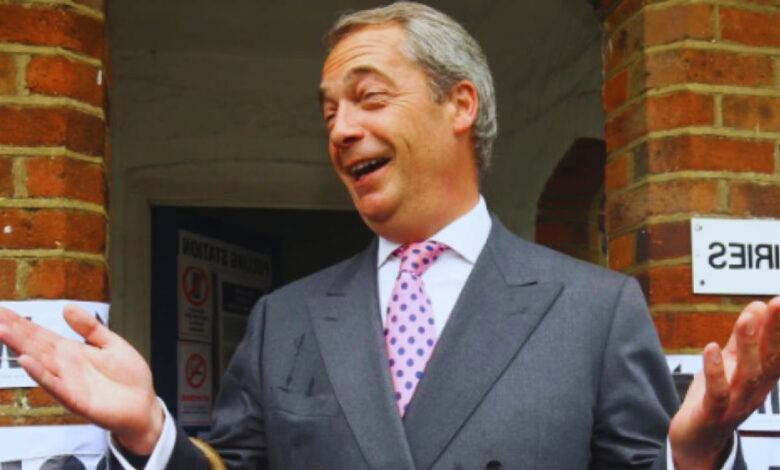
When people hear the name Farage, they almost always think of Nigel Farage, the loud, bold, and very famous British political figure who helped lead the Brexit movement. But behind him stands a man whose story is just as interesting, and in many ways, even more important. That man is Guy Justus Oscar Farage, his father. His life shows us where Nigel came from, what shaped him, and how a family story can influence a country’s political path.
This is a story of confidence, charm, hardship, recovery, and resilience. It is a story about an old-fashioned generation in the City of London, long before Brexit, Reform UK, UKIP, or the big arguments about immigration and Europe ever began. And it helps explain how Nigel Farage became one of the most talked-about people in Britain.
Early Life: A Childhood Shaped by a Changing Britain
Guy Justus Oscar Farage was born in November 1935, during a time when Britain was still feeling the effects of the Great Depression and preparing for World War II. Children of that period grew up learning about strength, discipline, and survival. Many families had little money. Many fathers were away at war. Many mothers worked long hours. Life was simple, but it was also tough.
His family lived in the Bromley and Kent area, part of the growing middle class of Britain. They were not extremely wealthy, but they were comfortable. People who knew him later in life often said he carried himself with the style and confidence of a man raised with strong values and clear expectations. Even when he was very young, he stood out with his neat clothes, his polite manners, and his calm way of speaking.
Growing up in post-war Britain meant being surrounded by change. Cities were being rebuilt. Schools were trying new ideas. The financial world in London was beginning to grow again. These early years would shape his personality for life — a mix of traditional manners, quiet ambition, and a desire to succeed.
Starting His Career in the City of London
When Guy became an adult, he entered one of the most respected careers of that time: stockbroking in the City of London. In the 1950s and 1960s, the City was full of young men in sharp suits, long coats, and polished shoes. It was a world of fast deals, quick decisions, and important connections. Many people saw it as the center of British ambition.
Guy fit into this world perfectly. He became known as stylish, well-dressed, and confident. Some people even called him one of the best-dressed men in the City. He wore Savile Row suits, enjoyed good food, and drove classic cars. His work required intelligence, steady nerves, and strong social skills — and he had all of them.
This was also the time when London’s financial industry grew rapidly. New companies formed. Trading floors became louder and busier. The City became a symbol of strength in Britain’s recovery. Being a successful stockbroker meant more than money. It meant status and respect. And it gave Guy the chance to build a comfortable life for his family.
Family Life and Trouble at Home
During these years, Guy married Barbara Stevens. They started their life together in Kent and later had children, including their son, Nigel Paul Farage, born in 1964. At first, the family lived a very stable life, thanks to Guy’s strong income and respected career.
But this period was also the beginning of personal struggles. Life in the City was exciting, but it was also stressful. Long days, business pressure, and the culture of heavy drinking were common. For Guy, alcohol slowly became a problem. What started as normal social drinking grew into something much harder to control.
By the late 1960s, his drinking began affecting his home. Nigel was still a small child. Some of Nigel’s later interviews describe this time with a mix of sadness and understanding. When Nigel was around five years old, Guy left the family home. It was a difficult event that left a long emotional shadow over the young boy.
Yet even in this painful chapter, there were important lessons. Nigel grew up more independent, more rebellious, and more determined — qualities that later defined his political style and his public image.
A Turning Point: Struggle, Recovery, and Reinvention
Around 1970–1971, Guy Justus Oscar Farage reached a crucial turning point. He decided to stop drinking. For many people, this would be a private challenge. But for him, it became a full transformation. Friends later said he changed almost overnight — becoming calm, thoughtful, and focused again.
This recovery also marked the start of a new chapter in his work life. He spent some time trading antiques, which matched his love for style and history. It was very different from the fast world of financial trading, but it helped him rebuild his confidence. Later, he returned to the Stock Exchange Tower on Threadneedle Street, showing that he still had the skills and reputation to work in finance again.
His ability to reinvent himself is one of the strongest parts of his story. Many men of his generation struggled with pressure. But not many managed to step back, rebuild their lives, and start again with dignity.
This resilience became a quiet but powerful influence on Nigel Farage, who would later survive his own challenges — a serious car accident, cancer, large political battles, and even a dramatic plane crash.
A Man of Style, Wit, and Quiet Influence
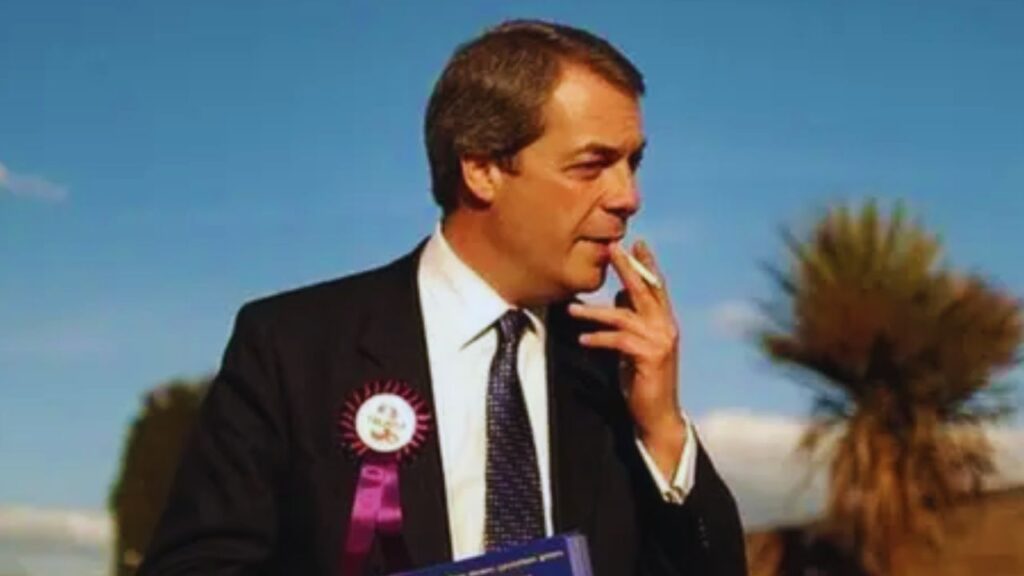
People who knew Guy describe him as charming and witty. He enjoyed good conversation and had a natural ability to make people feel comfortable. Even during hard times, he kept a polished appearance. He loved classic British fashion, long coats, and neatly pressed suits.
He was also intelligent and observant. He liked talking about business, history, and society. He was not a loud man, not a public man, and not someone who chased fame. Yet he understood people. He understood power. And he understood how British society worked — something his son would later use in politics.
His influence did not come from public speeches or headlines. It came from his values, his style, and his personal story of rising, falling, and rising again.
How Guy’s Story Shaped Nigel Farage
Nigel Farage became one of the strongest voices for Euroscepticism, Brexit, and right-wing populism in modern Britain. But long before he entered politics, he watched his father’s life. He saw strength, charm, and resilience. He also saw struggle, hardship, and recovery.
Nigel often said that his father was a “larger-than-life” character. The mix of confidence, independence, and emotional distance influenced Nigel deeply. The City of London background also shaped Nigel’s views about financial independence, national sovereignty, and British identity — themes he later used in UKIP, the Brexit Party, and Reform UK.
Guy’s life showed Nigel that a person can be both part of the establishment and critical of it. This is exactly how Nigel built his own “man in the pub” political style — relaxed enough to seem ordinary, bold enough to challenge authority, and confident enough to keep fighting even when others doubted him.
A Quiet Return to Work and New Paths in Business
After rebuilding his life, Guy Justus Oscar Farage slowly returned to the world he knew best — finance, business, and trading. This time, he did not rush. He took careful steps. He worked with more patience and less pressure. People who met him in these years said he seemed calmer, wiser, and more thoughtful than before.
He spent time trading antiques, which allowed him to use his sharp eye for detail and his love for classic British style. Antique trading is very different from the fast, noisy City of London trading floors. It is slow, quiet, and full of stories. But for Guy, it was the perfect way to rebuild a steady life. He enjoyed talking with collectors, learning about old objects, and finding value where others might not look.
Later, as his confidence grew, he returned once again to the financial world. He worked at the Stock Exchange Tower on Threadneedle Street, the same place where he once built his early success. His return showed that he had regained trust, skill, and respect. It proved that personal recovery can lead back to professional stability when someone stays committed.
A Life Connected to Business Until Later Years
In later years, Guy took part in different business ventures. One of the most known records shows him connected to a company called COEPTUS 2008 LLP in Kent. His involvement in this business shows that even after many changes in his life, he stayed active, curious, and willing to work.
This continued interest in business also reflects a larger theme in his personality — he liked movement, he liked ideas, and he liked building things. Even when the public never heard his name, he stayed part of Britain’s small but steady business world.
Many men from his generation slowed down heavily when they reached older age. But people close to Guy say he enjoyed staying mentally busy. He liked reading about new financial trends. He followed political news. He kept an eye on British society, British identity, and events like the rise of Reform UK and the impact of Brexit. He never became a public figure, but he quietly watched the world change around him.
A Father’s Influence on a Major Political Life
It is impossible to talk about Nigel Farage’s rise without understanding the influence of Guy Justus Oscar Farage. Nigel became one of the strongest voices for Brexit, the leader of UKIP, the founder of the Brexit Party, and later the main face of Reform UK. He became famous for his bold speeches in the European Parliament, his pub-style personality, his strong views on immigration, and his clear dislike of the European Union.
But behind all this stood the lessons Nigel learned as a child. He grew up watching his father succeed, fall, and then succeed again. He saw how confidence and charm worked in the City of London. He saw the importance of resilience. He learned that a person can speak boldly, stand alone, and push against large systems. These traits later became the heart of his political style.
Even Nigel’s strong belief in independence — both personal and national — connects back to his father’s story. Guy’s struggle with alcohol, his recovery, and his ability to rebuild his own life taught Nigel that freedom and responsibility often go together. This idea later shaped Nigel’s speeches about sovereignty, national control, and “taking back our country.”
It is one of the most powerful, unseen links between father and son.
Staying Out of the Spotlight While His Son Took Center Stage
When Nigel Farage became a major political figure — leading UKIP, debating immigration, clashing with David Cameron, speaking in Brussels, standing beside Donald Trump, and later becoming the leader of Reform UK — his father remained almost completely out of the spotlight.
Guy did not seek fame. He did not give interviews. He did not appear on TV. He did not join political campaigns. He chose a quiet life, even as his son stood at the center of huge national conversations.
This private personality made him very different from Nigel, who became known for his TV appearances, radio shows, GB News hosting, and speeches about Brexit and British identity. But even from a distance, Guy stayed proud of Nigel’s confidence, energy, and drive.
Some people might wonder:
Why would a man with such influence stay so quiet?
The answer is simple: Guy always valued privacy. He enjoyed peace, good clothes, quiet talks, and a simple way of living. He did not want the noise of politics. He preferred a calm life, far from cameras.
Public Curiosity and Misunderstandings
Because of Nigel Farage’s fame, many people became curious about Guy Justus Oscar Farage. Some stories about him were exaggerated. Some were misunderstood. Some were based on rumors instead of facts. But when you look closely at real records — including brief mentions on Wikipedia, media notes, and interviews — a clearer picture appears.
Guy was not a scandalous man. He was not a political figure. He did not commit major wrongdoing. His life was shaped by normal human struggles: pressure, family challenges, addiction, recovery, and rebuilding. His story is much closer to everyday life than people expect.
The truth is simple:
He was a private British man who lived through hard times, fixed his mistakes, and built a better life afterward.
This is why his story matters. It shows a different side of the Farage family — a side built on experience, not politics.
The Farage Family Legacy in Britain
The Farage family story reflects something larger about Britain itself. It represents:
- ambition
- personal challenge
- recovery
- independence
- strong opinions
- old-fashioned values
- modern political change
Guy’s early work in the City of London connects to Britain’s financial rise. His struggles with alcohol reflect the pressures of his generation. His recovery shows resilience. His quiet life shows dignity. And his son Nigel’s rise to power shows how personal history influences national history.
When Nigel led the fight for Brexit — campaigning against the EU, speaking on immigration, pushing for national control, arguing with European leaders like Herman van Rompuy and Jean-Claude Juncker — the world saw a loud, confident political figure.
But behind that figure stood a childhood shaped by a father’s strength and flaws.
Legacy of Guy Justus Oscar Farage
Today, Guy Justus Oscar Farage is not a public name. He does not appear in headlines. He does not give speeches. But his quiet influence is felt through Nigel’s long political journey — from UKIP to the Brexit Party to Reform UK, from the European Parliament to the 2024 general election victory in Clacton.
His life teaches us simple but powerful truths:
- You can rebuild your life, even after hardship.
- Confidence can come from calm, not noise.
- Influence does not always need fame.
- A family’s past often shapes a nation’s future.
- Resilience matters more than perfection.
Guy’s story also reminds us that history is not only made by public figures. Sometimes it is shaped by private people whose choices guide the next generation.
Conclusion
Guy Justus Oscar Farage lived a life full of ups and downs. He worked in the fast, ambitious world of London’s finance. He faced personal struggles. He rebuilt himself with strength and calm. He stayed private even when his son became one of Britain’s most famous political voices. And he left behind a quiet, powerful legacy of resilience, style, independence, and human honesty.
Through him, we understand Nigel Farage more clearly. And through Nigel, we see how personal stories can influence national events like Brexit, Reform UK’s rise, and the changing political mood of Britain.
The story of Guy is not loud. It is not dramatic. But it is real, human, and deeply meaningful — a reminder that behind every public figure stands a life that shaped them long before the cameras ever turned on.