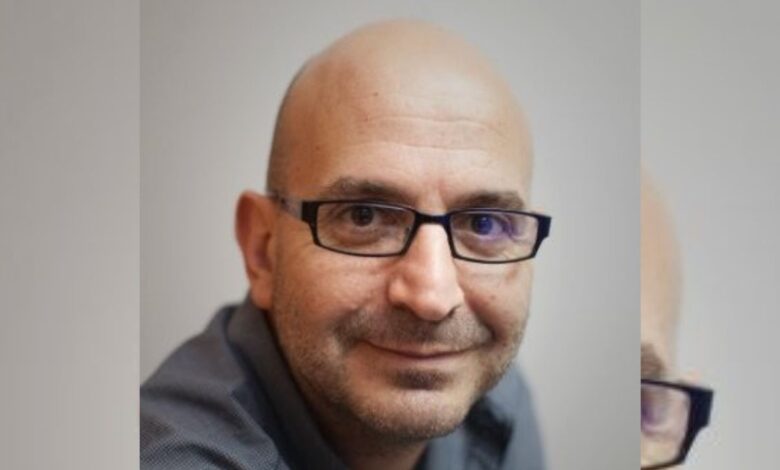
When you hear the name Michael Georgy, you might picture a reporter standing in the middle of a busy street, surrounded by noise, tension, and breaking news. And honestly, that image wouldn’t be far from the truth.
Michael Georgy has spent more than 30 years covering some of the biggest conflicts, political shifts, and human stories across the Middle East, Africa, and South Asia. He is one of those rare journalists who doesn’t just report events — he helps the world understand them.
Who Is Michael Georgy?
If you’ve ever read a clear, sharp, and honest Reuters story about a crisis in the Middle East, there is a good chance Michael Georgy wrote it. He is known for being the kind of journalist who actually goes to the places others talk about on TV. Instead of sitting in a quiet office, he walks through bomb-damaged neighborhoods, crowded markets, busy government halls, and refugee camps — always looking for the truth.
What makes Michael Georgy stand out is how he writes. His stories feel human. He talks to real people. He listens to their fears, their pain, and their hopes. And when he tells their stories, he makes sure you understand not just what happened, but what it felt like. That is why so many readers, researchers, and even governments pay close attention to his work.
How Michael Georgy Started His Journey
Michael Georgy didn’t plan to stay in one place. After studying history at Trinity College in Hartford between 1981 and 1985, he jumped into international journalism. He joined Reuters in the mid-1990s, and right away, he went where the news was loudest — the Gulf, Lebanon, and the wider Middle East.
Imagine being a young reporter, flying from one country to another, covering unexpected events each day. That was Michael Georgy. In Abu Dhabi and Dubai, he started by covering everyday news: economics, local stories, and political moves. He also edited reports from stringers and monitored news coming out of Gulf agencies. These early years shaped the sharp, accurate reporter he would become.
You might think this was stressful — and it probably was — but it also gave him a deep understanding of the region, its culture, and its people. This early foundation helped him handle much bigger and more dangerous stories later on.
Energy Reporting and Early Breakthroughs
By 1997, Michael Georgy was already trusted enough to handle bigger topics. He moved to Beirut and then returned to Dubai as a Gulf Energy Correspondent. This might sound dry at first, but energy news shapes global politics, and Georgy treated it like a detective story.
He covered OPEC meetings in Vienna, reported on oil market decisions, and even broke exclusive stories that moved markets. These weren’t small wins. They placed him on the radar of top editors and world governments who relied on accurate reporting.
Think about how hard it is to explain oil politics in a simple way. Yet Michael Georgy could make even complex economic decisions feel clear and human. This skill would later become one of his trademarks.
Stepping Into War Reporting
Around 2003, the world changed fast. The U.S. invasion of Iraq began, and Michael Georgy went straight into the heart of the conflict. He spent years there, from 2003 to 2006, as a Senior Correspondent based in Baghdad.
This wasn’t a job for the faint-hearted. There were explosions, battles, curfews, fear, and chaos. But Georgy wasn’t there just for dramatic headlines. He was there to show what life looked like for everyday people caught in the middle.
He covered the major offensives in Falluja and Najaf. He reported on the trial of Saddam Hussein. He wrote about families trying to stay safe and communities trying to rebuild. And even in the worst moments, he kept his reporting honest, respectful, and deeply human.
Rising Through Leadership Roles
After Iraq, Michael Georgy didn’t slow down. From 2006 to 2009, he became Deputy Bureau Chief for Southern Africa. Suddenly he was covering elections in Zimbabwe, political tension in South Africa, and major stories across Kenya, Sudan, and beyond. This role proved he could lead teams, guide young reporters, and manage breaking news without losing depth.
His ability to adapt — from energy markets to war zones to political transitions — is one of the reasons why Michael Georgy is seen as one of Reuters’ strongest voices.
Leading in the Middle East and Taking on Bigger Roles
After his time in Southern Africa, Michael Georgy moved back to the Middle East, where his work became even more important. From 2011 to 2012, he served as Bureau Chief for Pakistan and Afghanistan. This job was huge. The region was full of conflict, political fights, and changes that happened almost every week. Many reporters would have found this overwhelming, but Georgy handled it with calm and focus.
He didn’t just report breaking news. He helped younger reporters, managed tough assignments, and made sure the stories were both fast and accurate. This mix of speed and depth is one of the reasons Michael Georgy is respected worldwide.
Then, in 2013, he moved to Cairo to lead Reuters’ Egypt and Sudan coverage. This was a very tense time in the region. It was the period after the Arab Spring, when people were still trying to understand what kind of future they would have. Georgy guided the coverage with care, helping the world understand the shifting political landscape.
If you imagine trying to explain a constantly changing puzzle while the pieces move every day — that was his job. And he did it well.
Michael Georgy Today: A Trusted Voice in a Busy World
Today, Michael Georgy works as the Middle East Lead Writer and Co-Editor for Breaking News at Reuters. This means he is one of the main people responsible for explaining major events in the Middle East. If something big happens — a conflict, a peace deal, an oil decision, or a political shift — chances are he is involved in the coverage.
He writes stories that help readers understand what is really going on behind the scenes. For example, he has recently written about the rise of ISIS in Syria and Iraq, the powerful Houthi movement in Yemen, and important talks between the U.S., UAE, and Iran. These are not easy topics. But he makes them clear and understandable for people everywhere.
Think about how many news stories today feel confusing or rushed. Michael Georgy does the opposite. He slows things down just enough to help you see the bigger picture.
What Makes Michael Georgy Different?
One of the things people love most about Michael Georgy is how he treats the people he interviews. He talks to families, local leaders, refugees, workers, soldiers, and anyone who can help him tell the full story. He listens closely. He respects their experiences. And he makes sure their voices are heard in a fair and honest way.
He also takes great care with facts. He checks everything. He does not rush to publish something unless he knows it is true. This is rare in today’s fast news world. Many reporters feel pressure to post quickly, but Georgy believes accuracy comes first.
His stories are strong because they have heart. You can feel the human side of every situation he covers. Whether he writes about war, politics, or daily struggles, he always brings out the people behind the headlines.
Mentor, Leader, and Example for New Journalists
Michael Georgy is not only a reporter. He is also a guide for new journalists. Many young reporters say he is the person who helped them understand how to stay safe, how to stay calm, and how to stay honest in tough places.
He speaks at events, visits universities, and shares advice on reporting in dangerous areas. He talks openly about the mental stress that comes with long years of war reporting. Burnout, trauma, and fear are real parts of the job, and he never hides that truth. Instead, he teaches others how to handle it with strength and care.
Reporting is not just about being brave. It is about being wise. And Michael Georgy shows both.
Why His Work Matters Today
We live in a world full of noise — rumors, fake news, fast headlines, and endless opinions. It can be hard to know what to trust. This is why journalists like Michael Georgy matter so much.
He shows the world what real reporting looks like. His stories help people understand events that affect millions of lives. His work helps governments, charities, and everyday readers make better decisions. And his writing reminds us that behind every headline, there are real people.
Michael Georgy helps put the human heart back into global news.
A Legacy of Truth and Humanity
Michael Georgy has spent decades working in places where most people would not want to stand. Yet he keeps going back, not for fame or awards, but because he feels a responsibility to tell the truth. His work has shaped how people around the world understand major conflicts and political changes.
He has earned respect from fellow reporters, world leaders, and readers who follow his stories closely. And he continues to inspire a new generation of journalists who want to tell honest stories with compassion.
In a time when the world needs clarity more than ever, Michael Georgy remains a trusted guide — showing us not just what is happening, but what it means.