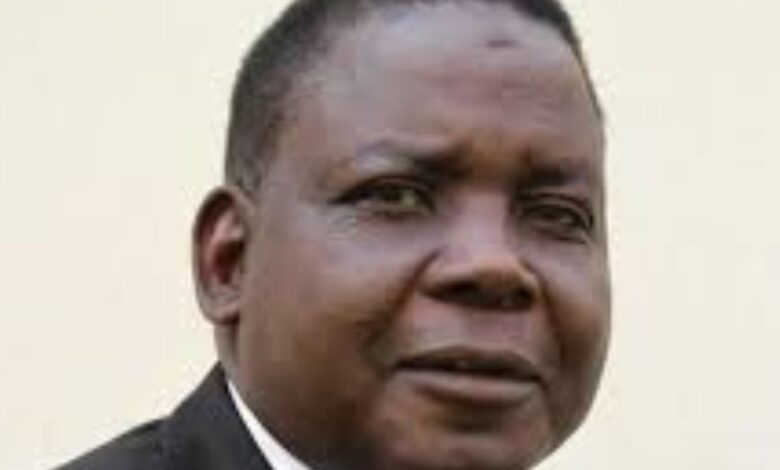
A Story That Made People Stop and Think
What happens when someone who once held power ends up in court like everyone else? That’s what made the story of Fred Moyo so surprising. For years, he was part of Zimbabwe’s government, known for his role in the mining sector. But later, he faced the kind of problem most people never expect a politician to go through — losing property to pay off a big debt.
When this story broke, it made people stop and ask real questions. Can someone who once had influence and authority be treated the same as everyone else in court? Can power really protect you when money and law collide? The case of Fred Moyo became more than a courtroom story — it became a lesson about accountability, fairness, and how justice really works in modern Zimbabwe.
Who Is Fred Moyo?
Fred Moyo once served as the Deputy Minister of Mines and Mining Development in Zimbabwe. In that position, he was trusted with one of the country’s most important industries — mining. Many people saw him as a serious and experienced leader. But after he left office, his name started to appear in the news for a very different reason.
The problem started with his business, Ox Mining (Private) Limited. The company had borrowed money from a local bank to support its operations. Fred Moyo personally guaranteed that loan, which means if the company failed to repay it, he himself would be responsible for paying the debt. Unfortunately, that’s exactly what happened. When the repayments stopped, the bank took legal action.
The case went to the High Court, which ruled in favor of the bank. The judges allowed the bank to seize Moyo’s property to recover the unpaid amount — over $765,000. It was a huge financial and personal hit. For a man who once represented government power, it was a moment that changed everything.
From Government Office to Courtroom
Imagine this — one day, you’re a respected official speaking at national conferences; the next, your name is being read out in a courtroom. That’s what happened to Fred Moyo.
After the High Court’s decision, he didn’t give up. He appealed to the Supreme Court, hoping they would overturn the ruling. But the appeal failed. The court upheld the earlier decision, which meant the bank could move ahead with attaching his property. His official cars, household furniture, and even school desks were listed among the items to be auctioned.
This part of the story drew a lot of attention. Zimbabweans were shocked to see a former minister face such public financial trouble. But others saw something positive in it — a sign that the law could apply equally to everyone, even those who once held high positions.
The Property Transfer That Raised Questions
As the legal process continued, something else came to light. Fred Moyo had transferred some of his properties to the Nelundo Family Trust while the case was still ongoing. The bank claimed that this move was meant to hide assets from being taken by the court.
When judges reviewed this, they didn’t like what they saw. One described the transfer as an act “borne of survival,” suggesting that it was done not for family reasons, but to delay or avoid paying the debt. The court considered this a key detail — it showed how people sometimes try to protect what they own when legal and financial pressure grows too strong.
This part of the case made many people think about how justice works for those with money or power. Does the system really treat everyone the same? Or can clever legal steps, like setting up a trust, make some people untouchable? The Fred Moyo story became a real example of how courts can look deeper and ask tough questions — even when powerful people are involved.
What the Court Case Revealed About Justice
The courtroom scenes from the Fred Moyo case were like a window into how Zimbabwe’s justice system actually works. The bank showed clear proof that the mining company had failed to pay back the loan, and that Moyo had agreed to be personally responsible. That was enough for the court to act.
What stood out most was how open the process became. The court’s decisions and reasons were made public, allowing ordinary people to read and understand what had happened. That kind of transparency is rare in cases involving big names. It helped many citizens see that justice, when it works properly, is about facts and fairness — not about who you are or what position you held.
Still, the case also revealed some weak points. The process took years — from the first court filing to the final ruling. For the public, that raised another question: if it takes this long for a powerful person to face justice, what chance do ordinary people have?
A Test for Zimbabwe’s Legal System
In a country where people often believe that political connections can protect the rich and powerful, the Fred Moyo trial was a big test. It showed that even a former government official could lose a case and have his property taken away. That was not something Zimbabweans were used to seeing.
At the same time, it also reminded people how slow and expensive justice can be. Legal fees, delays, and long appeals made the process drag on for years. Many citizens saw it as proof that justice in Zimbabwe, while possible, is not always quick or easy.
But despite the challenges, one message came through clearly: no one is fully above the law. When the courts ruled against Fred Moyo, they showed that accountability can reach anyone — even those who once held power.
Why the Story Matters
The story of Fred Moyo is more than a report about debt or property. It’s about what happens when law, power, and responsibility meet. It reminds everyone that public trust is built when justice is seen and felt to be fair.
For some, this story brought hope — proof that powerful people can face the same legal consequences as everyone else. For others, it showed how fragile that trust can be, especially when cases drag on for years or seem to depend on who’s involved.
And yet, one simple truth stands out: when people see that the law applies to everyone, faith in the system grows stronger.
What the Case Taught Zimbabwe
The Fred Moyo trial did not just end with a judgment. It left lessons that many people still talk about today. It showed that being in power once doesn’t mean you will always be protected. It also reminded everyone that leaders, like all citizens, must take responsibility for their actions.
When the court ruled against Fred Moyo, it sent a message to the whole country. It showed that contracts, debts, and promises still matter, even when the person involved once worked in government. For a long time, many Zimbabweans believed that people in high places could get away with anything. This case made people stop and think again.
It became an example for both ordinary citizens and future leaders — that honesty and accountability go hand in hand. Leadership is not only about power while in office; it is also about integrity after leaving it.
Justice That Everyone Can See
Another important lesson from the Fred Moyo story is about transparency. People could read the court documents and understand the decisions. Nothing was hidden. That openness helped people see how the justice system works and what the judges considered when making their choices.
When citizens can see how the law is applied, it helps build trust. It also helps stop rumors or false stories. In this case, the transparency allowed the public to understand that the court was not acting out of bias, but simply following the facts and evidence.
But it also showed how slow and costly justice can be. Fred Moyo’s legal process took years. From the first bank claim to the final appeal, the story stretched across many hearings. For most people, such long and expensive cases are not possible to fight. This raised a simple but powerful question — is justice truly equal if only the rich or connected can afford to go through it?
When Power and Fairness Collide
The Fred Moyo case also started an honest conversation about fairness. Some people said it was good to see a former minister face the law just like anyone else. Others felt it was too little, too late. They argued that true fairness would mean every case, big or small, moves as carefully and as fairly as this one.
Still, the story reminded everyone that no system is perfect. Even when justice is done, it often happens slowly. But every fair ruling, no matter how late, adds a brick to the wall of public trust. Seeing Fred Moyo lose his case proved that the courts can, at least sometimes, act without fear or favor.
Think of it this way — fairness isn’t only about who wins or loses. It’s about how both sides are treated in the process. When people see fairness, they start believing again in the power of the law.
The Global Picture
The Fred Moyo case is not something that happens only in Zimbabwe. Around the world, more and more former leaders are being held responsible for their actions after leaving office. From Africa to Europe, people are demanding transparency and justice.
It shows a global shift. Citizens now expect honesty and responsibility from those who once had power. The story of Fred Moyo fits right into that picture. It’s part of a larger movement where ordinary people are saying, “No one should be above the law.”
Just like in other countries, Zimbabwe’s people want to see that justice isn’t reserved for the poor. They want proof that it works for everyone — powerful or not. When a former minister like Fred Moyo is held accountable, it gives people hope that fairness can still exist.
The Real Meaning of Accountability
So what does “accountability” really mean in this story? In simple terms, it means standing by your actions, no matter who you are. For Fred Moyo, accountability meant facing the results of a business decision that went wrong. For the courts, it meant showing courage to apply the law equally.
For citizens, it meant watching closely and understanding that the justice system belongs to everyone, not just the government. True accountability doesn’t stop at politics. It continues in how people handle money, business, and promises.
Even though this story began as a loan dispute, it became something much bigger. It turned into a lesson about character — about doing what’s right even when it’s hard.
Justice and Trust Go Hand in Hand
Justice and trust are like twins — you can’t have one without the other. When people see that laws are applied fairly, they start believing in their country again. But when they see the rich escape consequences, that trust disappears.
In the Fred Moyo case, the public saw both sides. They saw justice done, but they also saw how long it took. Many said, “If this is how slow justice is for a minister, what about the rest of us?” It’s a fair question — one that still needs an honest answer.
The lesson here is clear: justice must not only be fair, it must also be fast. Long delays make people lose faith. Speed and fairness together make justice real.
A Mirror of Society
The story of Fred Moyo isn’t just about one man or one case. It’s a mirror showing how society sees fairness and power. Every country has moments like this — moments that reveal what kind of justice system it truly has.
When a former leader stands in court and faces the same rules as everyone else, it sends a strong message. It tells citizens that the system can work when it wants to. It also reminds those still in office that their actions will follow them long after they leave power.
Justice, in the end, reflects the conscience of the people. If citizens demand fairness and transparency, the system slowly begins to change. The Fred Moyo case, though painful and public, became part of that change.
Moving Forward
So where does Zimbabwe go from here? The answer is in consistency. The country needs to show that cases like this aren’t rare — that fairness is the rule, not the exception. When people know what to expect from the courts, they gain confidence not just in the law, but in the nation itself.
Public institutions must stay independent. The courts must remain strong and free from political control. When that balance is clear — between government, business, and justice — the whole country grows stronger.
In the years ahead, Zimbabwe’s progress will depend on how well it keeps this promise: that justice will protect everyone equally. The Fred Moyo story proved it can happen. Now, the challenge is to make it happen more often.
Final Thoughts
The story of Fred Moyo is more than a headline or a court record. It’s a symbol — a reminder that justice matters most when it’s tested. It showed that the law can still stand firm, even when facing someone with power and influence.
It also showed how fragile justice can be. It needs care, patience, and trust to stay strong. When people see that the law applies to everyone — no matter their title or past — that’s when real progress begins.
In the end, the Fred Moyo trial taught Zimbabwe a simple truth: fairness is not a gift from power. It’s a right that belongs to everyone. And when a country protects that right, it earns something priceless — the trust of its people.