Have you ever tasted a fruit that feels both new and familiar at the same time? A fruit that looks simple, but carries thousands of years of history? If not, then it’s time to meet Žižole. This small, sweet fruit is winning hearts again, even though it has been loved by many cultures for more than 4,000 years. Today, people who care about health, natural foods, and easy home cooking are rediscovering how special Žižole really is.
Žižole is not just another fruit. It is a mix of flavor, tradition, and natural healing, all in one small bite. It is easy to enjoy, easy to grow, and full of benefits that people from China to Croatia have trusted for centuries. In this first half of the article, let’s take a gentle and clear walk through everything that makes Žižole so interesting.
What Exactly Is Žižole?
Žižole is a small fruit that grows on a tree called Ziziphus jujuba. Many people also call it jujube, Chinese date, or red date. It has a crisp bite when fresh and a chewy, sweet taste when dried. In a way, it feels like an apple and a date combined. This simple fruit has been eaten for energy, calmness, and strength for thousands of years.
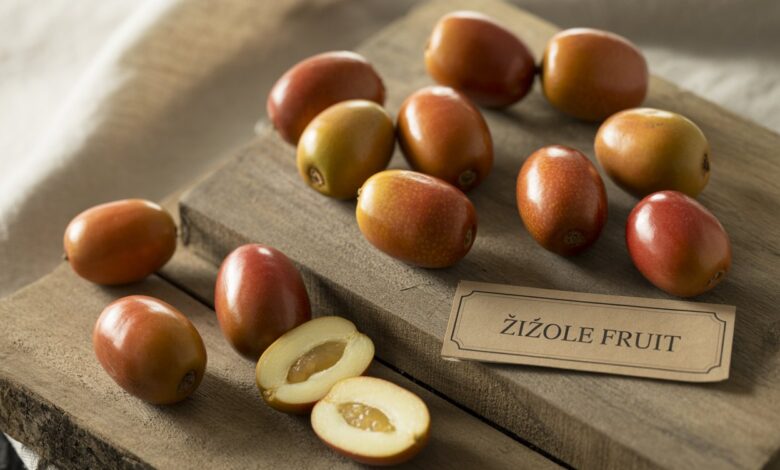
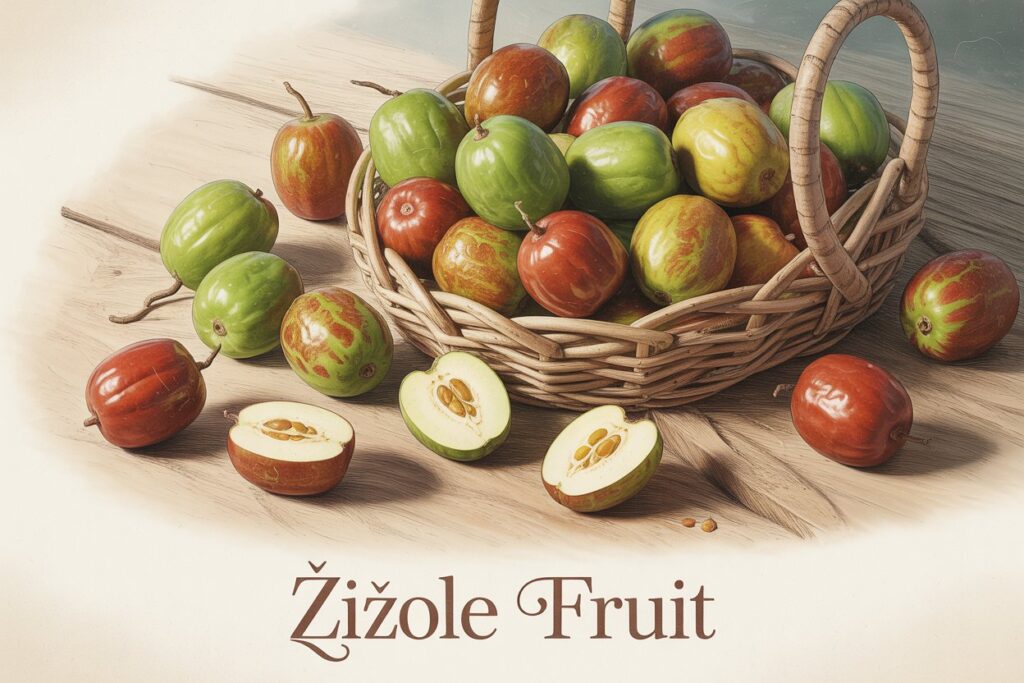
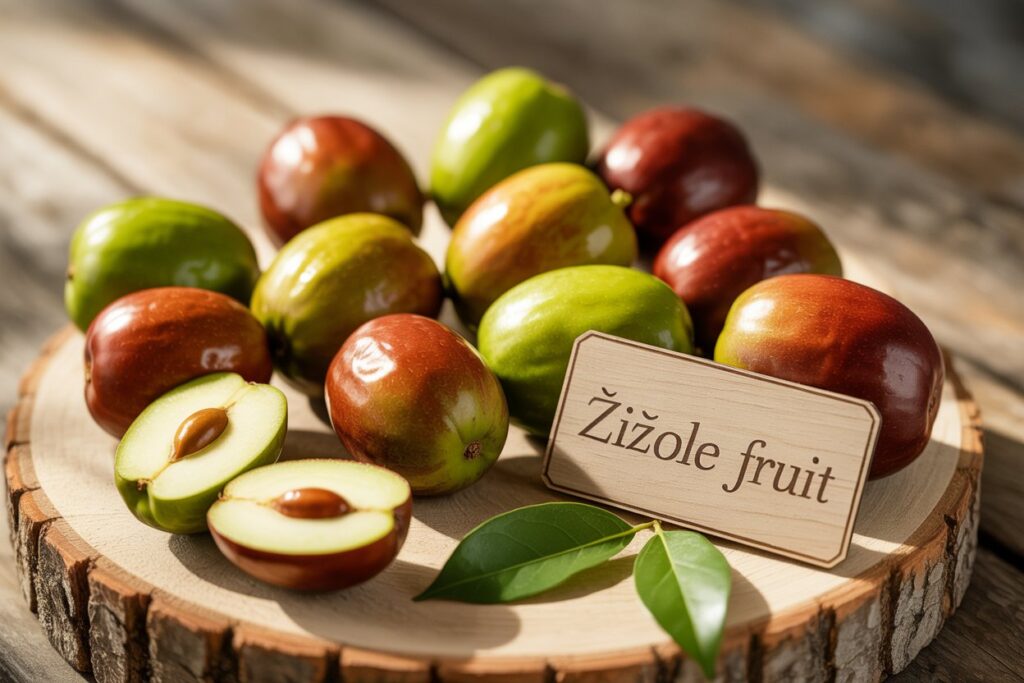
The Žižole fruit starts green, then turns brownish-red when ripe. It has a thin skin and one hard pit inside. When you bite into a fresh one, it feels light, crunchy, and sweet. But when it dries, it becomes richer and softer, like a natural candy. This “two-in-one” nature makes Žižole loved in both cooking and traditional medicine.
Have you ever had a fruit that changes personality like that? Crisp one day, chewy the next? That’s the charm of Žižole.
Where Did Žižole Come From?
Žižole began its journey in China, more than 4,000 years ago. It was not just food there — it was seen as a fruit of peace, long life, and balance. Old books in Traditional Chinese Medicine list Žižole as one of the most calming and nourishing fruits.
From China, Žižole traveled through the Silk Road, passing through the Middle East, North Africa, and into Southern Europe. Each place gave it a new meaning. In Croatia, Italy, and the Balkans, families grew Žižole in their gardens and used it in teas, jams, and even homemade brandy.
In Croatia, especially in Istria and Dalmatia, Žižole is part of local stories. There is even a sweet legend that says its flowers can make young people fall in love. Whether true or not, it shows how much people adore this little fruit.
The Žižole Tree: Strong, Simple, and Full of Life
The Žižole tree is loved not only for its fruit but also for its nature. It is a strong and hardy tree that grows in warm places with lots of sunlight. The tree can reach 5 to 10 meters in height and has shiny green leaves and small yellow-green flowers.
One of the most amazing things about this tree is how little it needs. It can grow in dry areas, sandy soil, and even rough ground where other plants struggle. This is why many farmers today see Žižole as a great fruit for the future — it survives heat and drought without much care.
If you like growing plants at home, imagine having a tree that gives you fresh fruit every year, needs very little attention, and stays green and beautiful for most of the year. That’s exactly what the Žižole tree offers.
What Does Žižole Taste Like?
The taste of Žižole changes depending on when you eat it. When fresh, the fruit is crisp like an apple. It has a light sweetness and a clean bite. Many people say it tastes refreshing, almost like a fruit you can snack on all day without getting tired of it.
But when Žižole dries, it becomes a whole new treat. It turns soft, chewy, and deeper in flavor — almost like a date or a fig. This is why dried Žižole is often used in teas, desserts, and snacks. It feels warm, cozy, and rich.
Because it can taste different in each form, Žižole fits into many dishes. You can enjoy it raw, cooked, boiled, baked, or brewed. It adapts to everything — which is rare for such a small fruit.
The Many Varieties of Žižole
You may be surprised to know that there are over 400 types of Žižole around the world. Some are large and juicy, perfect for eating fresh. Others are smaller and sweeter, perfect for drying.
Popular varieties include:
- Li — big, juicy, and sweet
- Lang — firm and great for drying
- Shanxi Li — crisp with strong flavor
- Honey Jar — small but very sweet
- Sugar Cane — known for its candy-like sweetness
Each type has its own charm, but all share the same natural benefits.
Why Is Žižole Considered a Superfruit?
Žižole earned the name “superfruit” for good reason. Even though it is small, it is packed with nutrients. It has Vitamin C, fiber, minerals, and powerful plant compounds that help the body stay strong and calm.
A simple 100g serving of fresh Žižole gives:
- 79 calories
- 20g carbs
- 2–3g fiber
- Almost 70mg of Vitamin C
- Potassium, iron, calcium, magnesium, and more
This makes Žižole a great snack for energy, immunity, and recovery. It’s the kind of food that gives you a clean boost without sugar crashes.
Imagine eating something sweet that also helps your body feel calm, strong, and refreshed. That’s the beauty of Žižole.
Health Benefits You Can Actually Feel
People use Žižole for many reasons, and these benefits have been known for centuries. Today, science supports many of them too.
1. Supports Sleep and Helps Reduce Stress
Žižole contains natural compounds that calm the mind and help the body relax. This is why many teas for sleep include dried Žižole. If you ever feel stressed or restless, a warm cup of Žižole tea can help.
2. Boosts Immunity
With its high Vitamin C and antioxidants, Žižole helps protect your body from infections, colds, and everyday stress.
3. Helps With Digestion
Žižole is rich in fiber, which supports gut health, reduces bloating, and keeps digestion smooth.
4. Good for Heart and Blood Health
Minerals like potassium and iron support healthy blood flow and stable heart rhythms.
These are only the early benefits. The second half of this article will explore more, including beauty benefits, anti-aging, and even how Žižole may help the body fight harmful free radicals.
More Health Benefits That Make Žižole Special
In the first half, we talked about how Žižole helps with sleep, stress, immunity, and digestion. But there are even more benefits that make this fruit stand out.
One important benefit is its anti-aging power. Because Žižole is rich in antioxidants, it helps protect your skin from damage caused by the sun, pollution, and stress. These antioxidants help your skin stay firm, bright, and youthful. This is why many natural skincare brands are now adding Žižole extracts to their creams and toners.
Another great benefit is Žižole’s support for heart and blood health. It has minerals like potassium and iron, which play a key role in keeping your blood pressure stable and your blood cells strong. When your heart feels steady and your blood is healthy, your whole body works better. Many people drink Žižole tea in winter for this reason.
Some early studies even show that Žižole might help fight harmful cells in the body. While more research is needed, this shows how powerful the fruit truly is. It is amazing that such a small fruit can offer so much natural support.
How Žižole Is Used in Traditional Medicine
Different cultures have used Žižole for healing for thousands of years. Let’s take a closer look at how they used it and why.
In Traditional Chinese Medicine (TCM), Žižole is known as a “tonic fruit.” This means it supports the body in many ways. It is used to calm the mind, nourish the blood, strengthen the stomach, and help with sleep. Many old formulas include Žižole, mixed with roots and berries, to bring balance and peace to the body.
In Persian and Islamic medicine, Žižole is used for fevers, coughs, and stomach discomfort. It is believed to cool the body, reduce inflammation, and bring comfort during illness.
In the Balkan region, especially Croatia and the Mediterranean, Žižole is part of home remedies. People boil it into teas, turn it into syrup, or soak it in rakija (a type of fruit brandy). These drinks are trusted for better sleep, better digestion, and a stronger heart.
Isn’t it interesting how one fruit can be used in so many ways across the world?
How to Eat Žižole in Simple and Fun Ways
One of the best things about Žižole is how easy it is to enjoy. You can eat it fresh, dried, cooked, or mixed into almost anything you like.
Fresh Žižole tastes crisp and sweet, so you can eat it like an apple. Add it to fruit bowls, salads, or cereal for a light snack. If you enjoy a clean, crunchy bite, fresh Žižole is perfect.
Dried Žižole feels soft and chewy, like a natural candy. You can add it to trail mixes, oatmeal, yogurt, smoothies, or baked goods. It works great in muffins, breads, and energy bars. Many people keep a small bag of dried Žižole in their bag for a quick and healthy snack.
If you like warm drinks, try Žižole tea. Boil dried Žižole with ginger and cinnamon. The taste is sweet and calming. This tea is known to help with stress, sleep, and digestion. It is a simple way to relax after a long day.
You can also make Žižole syrup or jam. In the Balkans and Italy, families boil Žižole with lemon and sugar to make a thick, sweet syrup. People often take a spoonful in winter to stay strong and healthy.
With so many options, Žižole easily fits into your daily life.
Žižole vs. Dates: What’s the Difference?
Many people think Žižole is just like regular dates, but there are some clear differences.
Dates, like Medjool or Deglet Noor, are always soft and sticky. They are high in sugar and calories. Žižole, on the other hand, can be crisp when fresh or chewy when dried. They are also much lower in calories and sugar.
Here are a few easy comparisons:
- Žižole has more Vitamin C
- Žižole has less sugar
- Žižole has fewer calories
- Žižole has a lower glycemic index, which means it causes a slower rise in blood sugar
So if you want something sweet but lighter and healthier, Žižole is a great choice.
Growing Your Own Žižole Tree
If you love gardening, you will enjoy growing a Žižole tree. It is a very strong and forgiving tree, which makes it perfect for beginners.
Žižole grows well in full sunlight and likes warm or mild climates. It does not need rich soil. Sandy or loamy soil works fine, as long as it drains well. The tree can survive heat and drought, which makes it ideal for busy people who cannot water their plants every day.
Plant a young tree in spring. Space it 10 to 15 feet away from other trees. Water it regularly during the first year. After that, it becomes very independent. In four to five years, your tree can give you 20 to 50 kilograms of fruit every year.
Imagine having a tree in your garden that gives you fresh fruit, dried fruit, tea ingredients, and even gifts for friends. That’s what the Žižole tree offers.
Where to Find Žižole Today
Žižole is becoming easier to find now because more people are discovering its benefits. If you live in Asia or the Mediterranean, you may find it in local markets, especially in harvest season. In Croatia, China, Turkey, and Italy, Žižole is very common in farmers markets and home gardens.
If you live in North America or other regions, look for it in:
- Chinese or Korean supermarkets
- Asian grocery stores
- Herbal or wellness shops
- Online stores like iHerb or Mountain Rose Herbs
You can buy Žižole fresh, dried, or even in tea or syrup form. Many gardening stores also sell Žižole seeds and saplings.
Žižole in Modern Wellness Trends
Today, more people want natural foods that help them feel calm, strong, and healthy. This is why Žižole is becoming a popular “superfruit.” You may already see Žižole used in:
- Adaptogen drinks
- Herbal tea mixes
- Plant-based desserts
- Wellness syrups
- Sleep gummies
- Natural tonics
People love it because it gives gentle, steady energy without caffeine. It also supports mood, sleep, digestion, and skin health — all things that matter in modern life.
Žižole is a great example of how old wisdom can help today’s world.
Why Žižole Truly Deserves a Place in Your Life
When you look at everything Žižole offers, it becomes clear why so many cultures admired it. It is simple, natural, and full of surprises. It can help your body feel strong, your mind feel calm, and your meals taste better.
It is rare to find a fruit that works as food, medicine, and a wellness booster — all at the same time. But Žižole does exactly that. Whether you eat it fresh, dried, in tea, or as a sweet syrup, you will enjoy both the taste and the benefits.
Maybe the world is finally catching up to what ancient cultures already knew:
Žižole is small, but powerful. Simple, but full of life. Old, but perfect for the modern world.
Conclusion
Žižole is more than just a fruit. It is a part of history, a wellness tool, a cooking ingredient, and a healing companion. It has traveled across continents, touched different cultures, and now fits perfectly into our modern needs. If you want a fruit that supports your body, calms your mind, and brings natural sweetness to your day, Žižole is the answer.
Try it. Grow it. Sip it. Enjoy it.
When you welcome Žižole into your life, you bring a little bit of ancient wisdom into your everyday routine — and that is something truly special.