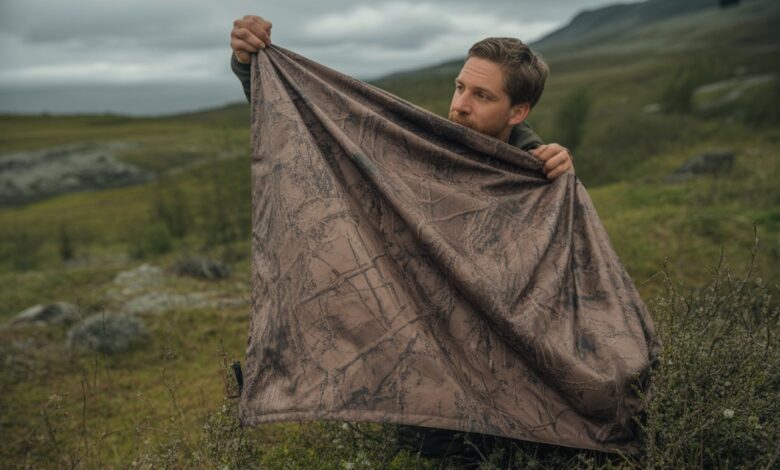
If you enjoy the outdoors, you may have heard the word Tarnplanen at some point. At first, it may sound like a very special or technical word. But the truth is simple. Tarnplanen means “camouflage tarpaulin” in German, and it has become one of the most useful items for people who love nature, travel, or survival gear.
Many people think Tarps are just “covers.” But Tarnplanen is more than that. It carries a long history, it helps people stay safe in tough places, and it even inspires a simple way of living closer to nature. In this first part of the article, we will look at what Tarnplanen really is, where it started, and why so many people still rely on it today.
What Is Tarnplanen?
At its core, Tarnplanen is a strong, weather-proof tarp that blends into natural surroundings. It is designed to hide and protect things outdoors. You can use it to cover gear, create a small shelter, block wind, or stay dry in the rain. The colors and patterns on a Tarnplanen match forests, deserts, snow, or even city spaces, which makes it hard to see from far away.
Many people know Tarnplanen from military stories. Soldiers used it to hide equipment, create quick tents, or stay safe from bad weather. But today, the meaning of Tarnplanen has grown. It is now used by campers, hikers, hunters, survival fans, photographers, and even travelers who want to move in a quiet and simple way.
One of the best things about Tarnplanen is how flexible it is. You can fold it, carry it easily, and use it in many different ways. You can tie it between two trees to make a roof. You can put it under your sleeping bag as a ground cover. You can wrap your gear to keep it dry. No matter where you go, Tarnplanen is a good partner to have.
Where the Tarnplanen Idea Came From
The story of Tarnplanen began more than 100 years ago. During World War I, armies needed better ways to hide their camps and protect their soldiers. Bright colors and open tents were easy to spot from far away, especially when planes started flying above battlefields. So, the idea of camouflage tarps was born.
At first, Tarnplanen was made from heavy cotton canvas. It worked, but it was not perfect. It was heavy, it took a long time to dry, and it did not match every type of land. But soldiers still used it because even a simple cover could save lives.
By World War II, Tarnplanen grew smarter. Germany and the Soviet Union began printing new patterns to match forests, snow, and deserts. These new designs helped soldiers move quietly and stay hidden. The tarp also became more useful. It could be a shelter, a stretcher, a cover for trucks, or a protection roof for field camps.
After the war, soldiers returned home with their Tarnplanen. They used it on farms, in forests, and during hunting trips. Soon, everyday people realized how useful this simple tarp was. By the 1980s and 1990s, new materials like nylon and polyethylene made Tarnplanen even lighter, stronger, and easier to carry.
How Tarnplanen Is Made Today
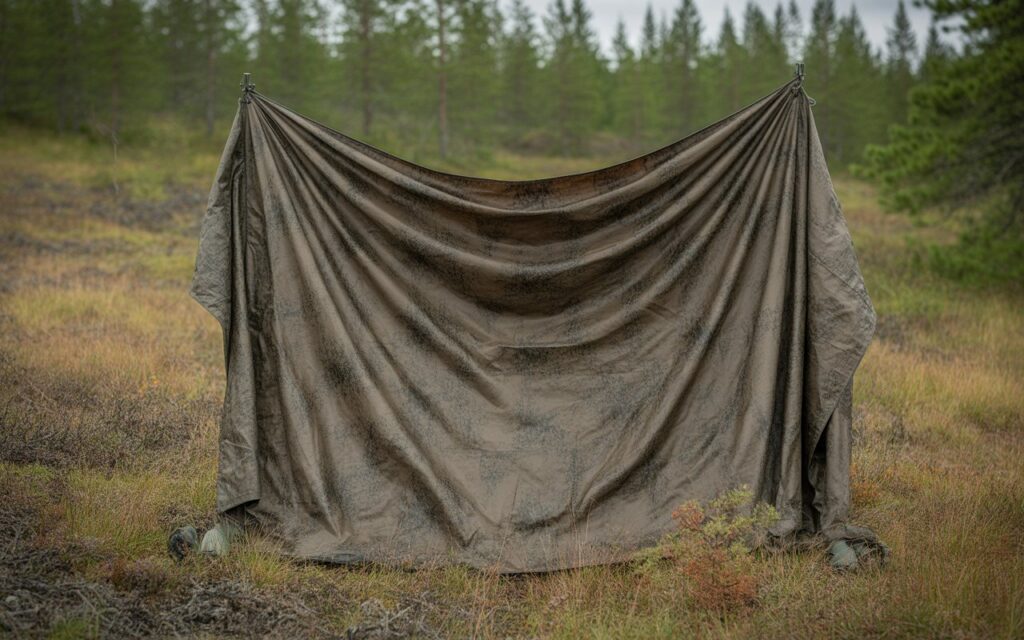
Modern Tarnplanen is very different from the old versions. Today, it is built to last in strong rain, hot sun, cold snow, or high wind. Most Tarnplanen are made from polyethylene or ripstop nylon. These materials are tough, waterproof, and hard to tear. Some high-end versions are made from canvas that is treated to resist water and UV rays.
You may notice small details on a Tarnplanen that make a big difference. The edges are often double-stitched so they do not rip. Strong metal grommets are added so you can tie ropes or hang the tarp easily. Every part is designed to help you set it up fast and keep it stable.
The camouflage patterns are also important. Some Tarnplanen look like forests. Some look like sand. Others are made for snow, cities, or mixed terrain. Many patterns are printed digitally so the colors look real and natural. This helps the tarp blend smoothly into the land around it.
Even though Tarnplanen is light, it can handle a lot of pressure. You can stretch it tightly between trees, lay heavy items on it, or use it as a strong barrier when the wind picks up. This makes Tarnplanen a tool you can trust in many outdoor situations.
How Tarnplanen Is Used in Real Life
Tarnplanen is used in many places and for many different reasons. In the military, it is still an important part of gear. Soldiers use it to cover vehicles, protect camps, and hide equipment from cameras or planes. It gives them a simple but effective way to stay unseen.
But Tarnplanen is not just for the military anymore. Outdoor lovers use it all the time. Hikers use it to build a fast shelter when rain comes suddenly. Campers use it as a roof, a wall, or a dry place to sit. Hunters use it to blend in with the land while they wait quietly. Wildlife photographers use it as a hide so animals do not notice them.
Survival fans like Tarnplanen because it can save you in many ways. You can turn it into a windbreak, a water collector, a ground cover, or a sunshade. You can even use it to signal for help or as extra protection in an emergency. It is simple gear, but it can solve many problems.
Even construction workers and gardeners use Tarnplanen. They cover tools, protect materials from rain, or block certain areas without attracting attention. Its strength and camouflage make it useful in more ways than most people imagine.
Tarnplanen as a Way of Living Close to Nature
In recent years, Tarnplanen has become more than just equipment. It has grown into a small travel and nature philosophy. More people want to explore quietly, leave no trace, and respect the places they visit. Tarnplanen fits perfectly into this idea.
Using Tarnplanen means you carry only what you need. You make simple shelters. You do not build heavy structures or leave behind waste. You blend with the land and move gently through forests, mountains, and open spaces.
This style of travel is popular in places like Norway, Sweden, and the Scottish Highlands, where wild camping is allowed. People enjoy sleeping under the stars with only a Tarnplanen above them. It creates a peaceful feeling and a strong connection with nature.
This slow, mindful way of traveling helps you notice small things—like the sound of wind through trees or the glow of early morning light. Tarnplanen supports this peaceful style because it is simple, quiet, and easy to use.
DIY Tarnplanen: Making Your Own
Some people enjoy making their own Tarnplanen. It can save money and give you gear that matches your personal needs. The first step is choosing the right fabric. Polyethylene is best for waterproofing. Ripstop nylon is best if you want a light and foldable tarp.
After cutting the fabric into a square or rectangle, you reinforce the edges. Then, you add metal grommets so you can tie or hang the tarp. You can even paint your own camouflage using natural colors like green, brown, or grey.
Using a DIY Tarnplanen teaches you how it works. You learn the right ways to tie it, shape it, and place it. This makes you more confident when you use it outdoors.
Modern Innovations in Tarnplanen
As time goes on, Tarnplanen keeps getting better. Today, many makers use smart ideas and new materials to build tarps that work even harder for you outdoors. Some companies are even testing Tarnplanen with small sensors that read sunlight, heat, or humidity. This can help you understand the weather around you and set up your shelter in a safer way.
Other brands now use recycled plastics or eco-friendly coatings to make Tarnplanen better for the planet. These lighter and greener versions still protect you from wind, rain, and sun, but they also match modern ideas about caring for nature. Some people even choose Tarnplanen because they want gear that shows respect for the environment.
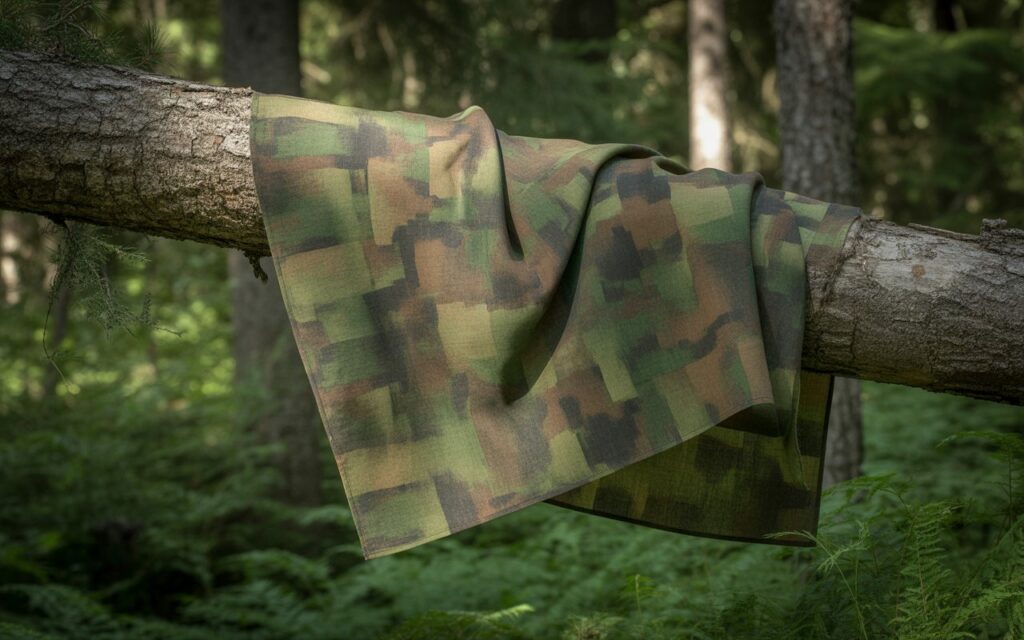
You can also find digital camouflage patterns created with computer designs. These patterns mix colors in new ways, helping Tarnplanen blend into forests, deserts, snow, or even city spaces. In the future, we may even see Tarnplanen with solar panels or small lights built in for extra safety. It is simple gear, but it keeps moving forward with new ideas.
Tarnplanen Compared to Other Tarps
You may wonder how Tarnplanen is different from a normal tarp. The answer is simple. Tarnplanen is stronger, lasts longer, and hides you better. A basic plastic tarp can tear fast, especially in heavy wind or rain. It also shines when sunlight hits it, which can give away your location. Tarnplanen avoids these problems because it has soft, non-reflective colors and tough materials like ripstop nylon or polyethylene.
Canvas tarps are strong, but they are heavy and not always waterproof. Thermal blankets keep heat in, but they do not work well as shelters. Tarnplanen gives you the best mix of everything: strength, weather protection, camouflage, and easy carrying. That is why many hikers and survival fans choose Tarnplanen for their outdoor trips.
When you compare costs, Tarnplanen may seem more expensive at first. But because it lasts many years, it often becomes the cheaper choice in the long run. It does more jobs and needs fewer repairs. Once you use Tarnplanen a few times, you see the value right away.
Common Mistakes and How to Avoid Them
Even though Tarnplanen is easy to use, beginners sometimes make small mistakes. One common mistake is choosing the wrong pattern for the wrong place. For example, a desert-pattern Tarnplanen will stand out in a forest. A snow-pattern Tarnplanen will look strange on green grass. The pattern must match your environment so the camouflage works properly.
Another mistake is setting up Tarnplanen too loosely. When it shakes in the wind, it makes noise and water can pool on top. This makes your shelter weaker. Always pull the Tarnplanen tight and angle it so rain slides off. If you use trees, stakes, or paracord, tie the rope firmly and check each corner.
Some people use bright ropes or shiny clips without thinking. These small items can reflect light and ruin the camouflage effect. Try to use dark ropes or natural colors to stay hidden. Also, never fold Tarnplanen while it is still wet. This can cause mildew and shorten its life. Simple habits like drying, cleaning, and storing it well keep your Tarnplanen ready for your next adventure.
Environmental Care and Tarnplanen
Using Tarnplanen the right way can help protect nature. Many outdoor lovers use Tarnplanen because it lets them build shelters without cutting branches or damaging plants. You can camp quietly under a Tarnplanen and leave almost no trace behind. This supports the idea of low-impact camping and respectful travel.
Some Tarnplanen are made with recycled materials or fabrics that meet eco-safe standards, such as OEKO-TEX. Choosing these options helps reduce waste and pollution. Even old Tarnplanen can be repurposed. Some people turn them into bags, covers, or even art pieces. This gives the material a second life instead of throwing it away.
Caring for nature also means choosing the right place to set up. Try not to place your Tarnplanen on fragile plants or in protected wildlife areas. Follow local rules if you use Tarnplanen for hunting or photography. When we use our gear wisely, Tarnplanen becomes not only a survival tool but also a symbol of responsible outdoor living.
Where Tarnplanen Is Popular Today
Today, many places around the world love the Tarnplanen style of travel. In Norway and Sweden, people enjoy wild camping under the open sky. Their “Right of Public Access,” or Allemansrätten, allows visitors to camp in many natural areas as long as they respect the land. Tarnplanen is perfect here because it blends well with the forests and mountains.
The Scottish Highlands also attract many Tarnplanen users. The land is rough and open, with wind, mist, and fast-changing weather. A simple Tarnplanen can make a strong shelter for hikers, hunters, and nature lovers. In the Alps, Tarnplanen helps climbers and backpackers protect themselves during long trips in high mountains.
Even in North America, Tarnplanen-style camping is growing. National parks like Banff, Yellowstone, and Yosemite have backcountry zones where visitors explore deep nature with lightweight gear. Tarnplanen works well for these long walks because it packs small, weighs little, and builds so many types of shelters.
Tips for Choosing the Right Tarnplanen
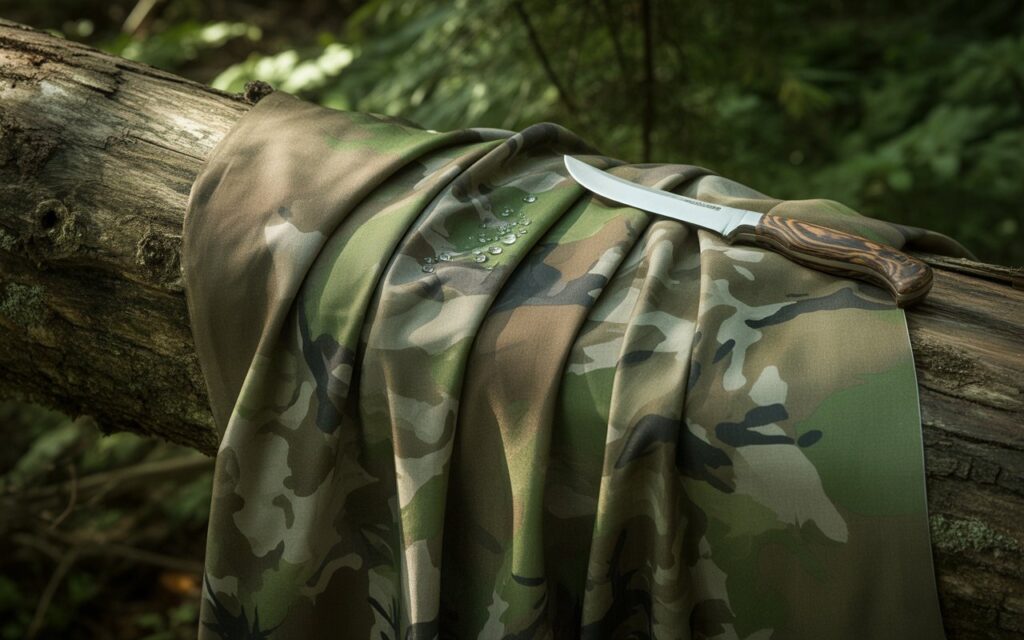
Choosing the best Tarnplanen depends on where you want to go and what you plan to do. Think about the environment first. If you will be in a forest, woodland patterns like Flecktarn work well. For snow, choose white or grey patterns. For desert trips, sand and brown patterns blend better.
Next, check the material. If you want something strong and waterproof, polyethylene is a great choice. If you want something light and easy to carry on long hikes, ripstop nylon is perfect. Canvas versions are very durable, but they are heavier and better for long-term setups.
Look for features such as reinforced edges, strong grommets, and UV protection. These make your Tarnplanen last longer. If you can, read reviews from people who use Tarnplanen in the same way you plan to use it. Their experience can save you time and money.
Real-Life Stories That Show the Power of Tarnplanen
Many people have small but powerful stories about Tarnplanen. One hiker once shared how his Tarnplanen saved him during a sudden snowstorm. He quickly tied it between two rocks, and the snow-pattern tarp blended into the white landscape. It kept him safe and warm until help arrived.
A wildlife photographer used Tarnplanen to stay hidden near an owl’s nest. By blending into the forest, he captured photos he had waited years to get. The birds never even noticed him. Hunters also tell stories about Tarnplanen helping them stay still and unseen for hours.
Even artists use Tarnplanen. Some use old military tarps to make sculptures or jackets. These pieces show history, creativity, and the idea of concealment in a new way. Tarnplanen is simple, but it inspires many kinds of work.
Final Thoughts: Why Tarnplanen Still Matters
In today’s world, where gear changes fast and trends come and go, Tarnplanen stays important. It is simple, strong, and useful in many situations. It protects you from wind, rain, cold, or heat. It hides you when you need to stay unseen. It packs small, works in emergencies, and supports low-impact travel.
Tarnplanen also connects us to a deeper idea. It reminds us that we do not need heavy equipment to explore the world. A simple tarp, a bit of rope, and some knowledge can take us far. Tarnplanen lets us move with nature instead of against it.
As new versions come with better camouflage, recycled materials, or smart features, Tarnplanen will only become more helpful. Whether you are a soldier, a camper, a traveler, a photographer, or a complete beginner, Tarnplanen can make your outdoor life safer, easier, and more peaceful.