Have you ever wondered why some companies work so well, even when different people do the same job? It’s not luck. It’s not magic. It is something called Protocolo Operacional Padrão, also known as POP. This simple but powerful document helps teams follow the same steps, in the same way, every single time. Because of that, work becomes safer, faster, and more consistent.
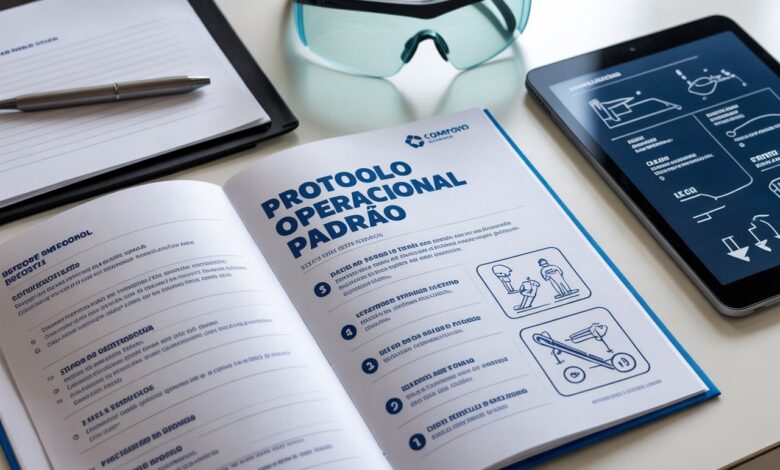
Think of a Protocolo Operacional Padrão as a friendly manual that explains exactly how to perform a task. It shows the right steps, the tools needed, the people involved, and even safety notes. When a team follows a POP, they don’t need to guess or ask “what do I do now?”. Everything becomes clear, organized, and easy to repeat.
What Is a Protocolo Operacional Padrão?
A Protocolo Operacional Padrão is a written guide that explains how a process must be done. It describes each step in a simple and detailed way so any trained person can follow it. This is very helpful in places where quality and safety are important, like hospitais, fábricas, laboratórios, restaurantes, and even small stores.
POP is the Portuguese name for what many countries call SOP (Standard Operating Procedure). The idea is the same: create a clear document that avoids confusion, mistakes, and unnecessary work. When teams follow a POP, they know exactly what to do, how to do it, and what result is expected.
You can think of it as a “recipe” for tasks inside a company. If everyone uses the same recipe, the result will always be consistent — no surprises.
Why Is POP So Important for Companies?
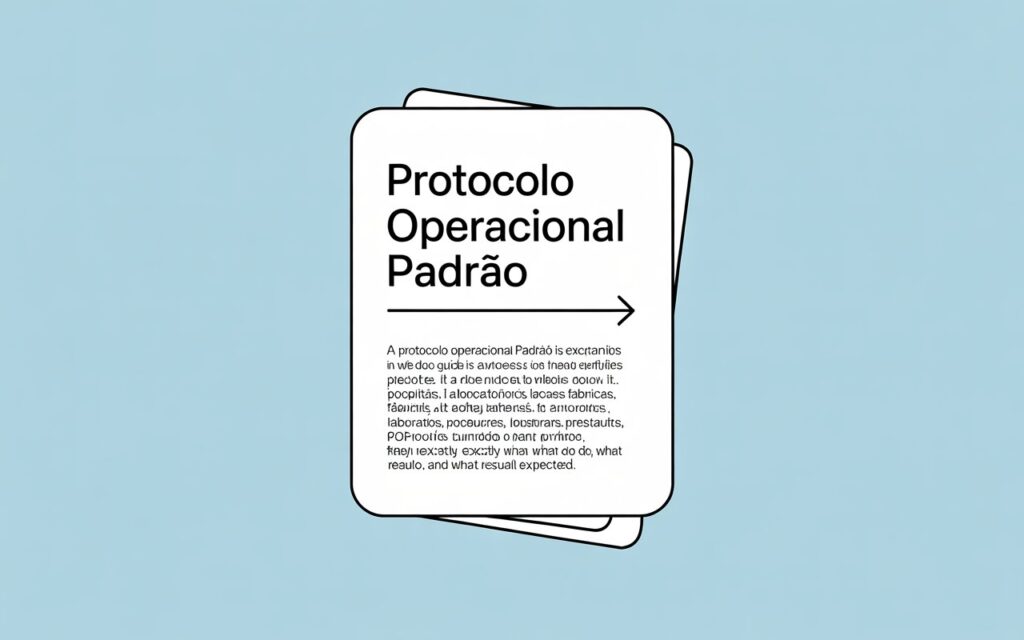
The main purpose of a Protocolo Operacional Padrão is padronização, or standardization. This means making sure everyone follows the same method. When a company uses POPs, it reduces errors, keeps quality high, and helps new employees learn faster.
Imagine a team in a fábrica or a clínica. If each person does the same task in a different way, many problems can happen: mistakes, retrabalho, atrasos, and even safety risks. POPs stop this from happening because they remove guesswork.
Another strong benefit is that POPs make companies more confident and more competitive. When you have clear processes, you don’t waste time or money. You avoid non-conformidades, reduce perdas, and protect equipment. The entire workflow becomes smoother and more reliable.
Where Can a Protocolo Operacional Padrão Be Used?
A POP is flexible. It can be used in almost any area of any business. Some common examples include:
- Qualidade: checking if a product meets standards.
- Segurança do trabalho: using EPIs, avoiding accidents.
- Limpeza e desinfecção: important for clínicas, restaurantes, and hospitals.
- Manutenção preditiva: keeping machines working well.
- Logística e armazenamento: storing items safely.
- Financeiro: organizing pagamentos, cadastros, and controles.
- Atendimento ao cliente: handling complaints the right way.
Even small businesses, like hortifrutis and pequenas lojas, use POPs to keep work stable and efficient.
The Main Components of a Good POP
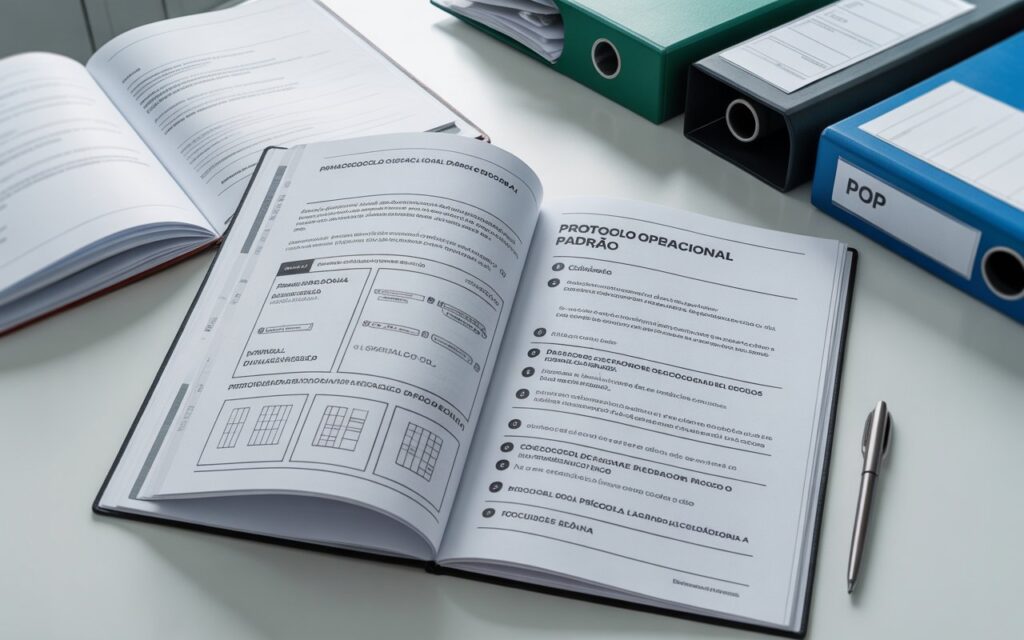
A strong Protocolo Operacional Padrão has a simple structure. It usually includes:
- The name of the procedure
- Where it is applied
- Who is responsible
- Materials or tools needed
- Step-by-step instructions
- Safety notes
- Reference documents
- Actions in case of errors
- How often it should be reviewed
This structure makes POPs easy to understand and easy to update. It also helps companies follow laws, Normas Regulamentadoras (NRs), and quality standards.
How a POP Improves Quality and Productivity
A good POP reduces errors because everyone knows the correct method. It avoids retrabalhos, confusion, and gaps in communication. When a person leaves or is absent, another trained employee can take over using the same instructions.
It also increases productivity. With clear steps and clear responsibilities, people work with more confidence. They know what to do and how to achieve the expected result. This leads to better performance, less stress, and stronger teamwork.
How to Create a Protocolo Operacional Padrão Step-by-Step
Now that you understand what a Protocolo Operacional Padrão is and why it is so important, let’s look at how to create one from zero. Many people think it is hard, but the truth is: a POP is simple when you break it into small steps.
The first thing you need to do is choose a clear name for the POP. This name should show the exact task or process. For example, if the POP is for cleaning a store, the name can be “Limpeza da Loja”. A direct name helps everyone understand what the POP is about before they even read it.
Next, collect all the reference documents. This includes manuals, Normas Regulamentadoras (like NR 26), old POPs, safety guides, or any material that explains how the activity should work. These references help you write better instructions that follow legal rules and best practices.
After that, define the exact place where the POP will be used. This is important, especially in big companies with many sectors. A POP for one room or machine may not work for another area, so clarity matters here.
Describe Tasks, People, and the Step-by-Step Flow
Once you know the place and the purpose, you can write who is responsible for each task. Use job titles instead of names, since employees can change over time. For example: “Supervisor de Qualidade”, “Auxiliar de Limpeza”, or “Técnico de Segurança”.
The heart of a Protocolo Operacional Padrão is the passo a passo, the step-by-step section. Here, you must be clear, direct, and simple. Include every action, even the ones that look obvious. For example, in a POP for using EPIs, you might write:
- Pegar o EPI.
- Verificar se está em bom estado.
- Colocar o EPI da forma correta.
Clear steps mean fewer mistakes and safer work.
It’s also helpful to define how often the POP will be reviewed, like once a year. A review date ensures your POP stays updated as rules change or equipment improves.
Set Goals and Add Corrective Actions
A good POP explains the results you want. For example, if the POP is about organizing a storage room, the expected result could be: “Ambiente seguro, limpo e organizado”. When the goal is clear, the team knows what success looks like.
It’s also important to describe what to do when something goes wrong. These are called corrective actions. For example, if a step cannot be completed, the employee may need to call a supervisor or fill out a non-conformity report. Simple instructions help the team act fast and avoid bigger problems.
In some POPs, you may need to include symbols, safety signs, or explanations of technical terms. This ensures even new employees understand everything with ease.
How to Implement a POP in Your Company
Creating a Protocolo Operacional Padrão is the first part. The next step is teaching your team how to use it. Start by meeting with everyone who works in that process. Explain why the POP exists and how it will help them. People follow rules better when they understand the purpose behind them.
Then, create a small working group to test the POP. This group helps check if all steps make sense. They may also identify risks or obstacles that were not noticed before. After this review, you can finalize the document.
When the POP is ready, use a simple checklist to help your team follow the steps during the day. Checklists make the POP come alive and help employees stay consistent. Finally, publish the POP in a place where everyone can access it, like an online system or a printed folder.
Examples of POPs in Real Situations
To help you imagine how POPs work, here are a few common examples.
In indústrias, a POP is often used for manutenção preditiva. This helps the team check machines regularly so they don’t break during production. A clear POP avoids accidents and keeps production safe.
In segurança do trabalho, a POP explains how employees should use EPIs. This is key for preventing injuries. It also helps companies follow NR rules.
In alimentação e bebidas, POPs guide cleaning steps and food handling rules. This protects customers and avoids contamination.
In logística, a POP for armazenamento shows how products must be stored, moved, and identified to avoid damage.
Each POP is different, but all of them bring the same benefits: safety, clarity, and quality.
Types of POPs You Can Use
There are many kinds of Protocolo Operacional Padrão, and each one has a special purpose.
- POP Fundamental: basic instructions used in any department.
- POP Metódico ou de Teste: used to check failures or test equipment.
- POP de Segurança: avoids accidents and explains how to use EPIs.
- POP de Saúde: common in hospitals and clínicas for hygiene, emergencies, and documentation.
- POP de Produção: helps teams follow the right order in complex manufacturing steps.
- POP de Qualidade: used to check if products meet standards.
- POP de Arquivamento: shows how to store important documents.
- POP de Armazenamento: controls how items are stored in warehouses.
- POP de Reclamações: teaches how to handle customer feedback.
Each type plays a role in a company’s organization and safety.
How Technology Helps With POPs
Today, technology makes POPs easier to use. Instead of paper checklists, companies use digital tools like Checklist Fácil. With this system, each employee can follow the POP on a phone or tablet.
Checklist Fácil also allows digital signatures, plans de ação, and real-time dashboards. This means managers can see what is happening at any moment. It also removes human errors and helps teams work faster and safer.
Digital POPs are easier to update, easier to share, and easier to track. Because of that, many businesses are moving from old manual checklists to smart, automated systems.
Why POPs Build Trust and Professionalism
A Protocolo Operacional Padrão does more than organize tasks. It builds trust inside the company. When employees know exactly what to do, they feel confident. When customers receive consistent service, they feel secure. And when auditors check operations, they see clear proof of organization and compliance.
POPs help teams stay aligned, avoid mistakes, and deliver the same high-quality work every day. In industries like saúde, logística, alimentação, or produção, this consistency can protect lives, save money, and strengthen the brand.
Final Conclusion
The Protocolo Operacional Padrão is much more than a simple document. It is a powerful tool that brings quality, safety, and efficiency to any business. With a good POP, tasks become easier, teams become stronger, and results become more reliable.
No matter the size of your company, POPs help you work with more control and less stress. And with digital tools like Checklist Fácil, managing POPs becomes even faster and smarter.
If you want a team that works in the same direction, with confidence and clarity, then a POP is the path to follow.