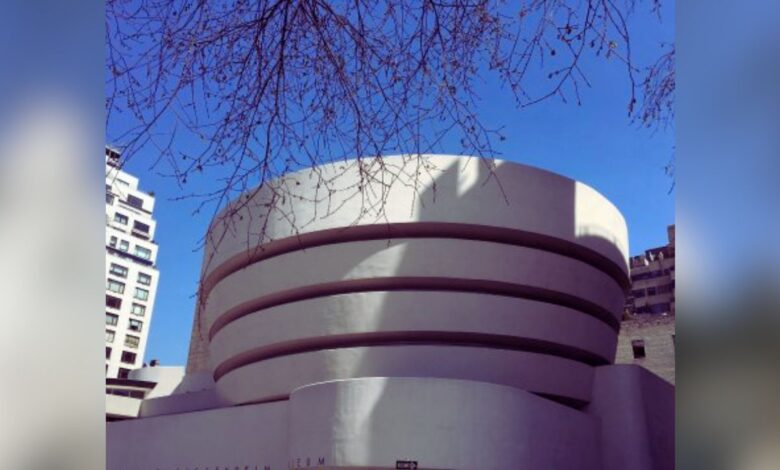
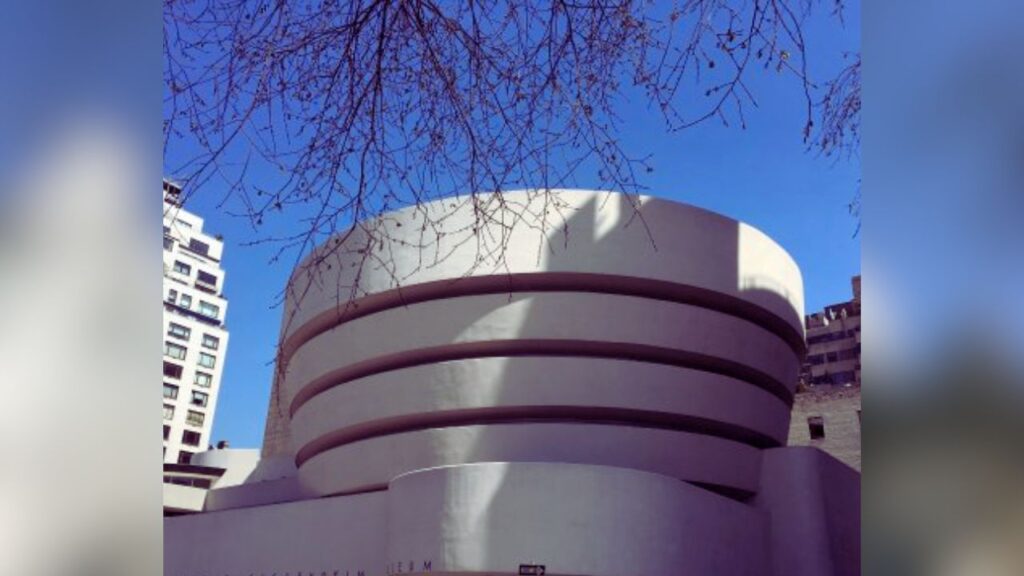
When you hear the name The Gugg, most people think of the bright white museum in New York. But in Stalbridge, a small town in North Dorset, the same nickname means something very different. Here, The Gugg refers to Guggleton Arts Farm, a warm, gentle, creative place that has touched the lives of thousands of people over more than 25 years.
This Gugg does not have a giant spiral ramp or a glass dome. Instead, it has old stone buildings, a cozy converted carthorse stable, a quirky Dutch barn, and a yard filled with art, music, laughter, and stories. It was created by Isabel de Pelet in 1995. She took run-down farm buildings on Station Road and turned them into studios, galleries, and workshops. She wanted a place where everyone—young artists, older beginners, families, carers, and curious visitors—could explore their creativity without fear of judgment.
People in Stalbridge call The Gugg “the lungs of the town.” Many say it changed their life. And when you walk through the space, you understand why. It doesn’t matter who you are or whether you have any experience. You simply join in, try things, talk to others, and feel part of a community.
A Creative Leader Who Built a Legacy
To understand this rural version of The Gugg, you have to know more about Isabel de Pelet. She earned an OBE in 2015 for her service to the arts in Dorset. She supported young artists before they became known. She created exhibitions that mixed new ideas with old traditions. She helped people see talent in themselves that they didn’t know they had.
Many people remember her spending long days organizing exhibitions, hanging paintings, guiding artists, or hosting events. Even the early days required courage—she had to clean old farm buildings, repair stone walls, and build gallery spaces from scratch. But she always saw the future. She knew Guggleton could become a home for creativity.
Her work continued to grow through the Young Artist of the Year competition, now in its 19th year. Many young people who showed their first pieces at The Gugg later went on to art school or creative careers. Some returned as teachers, mentors, or volunteers.
The New Chapter Under Deanne Tremlett
As Isabel stepped back, Deanne Tremlett stepped in. Deanne studied at the Slade School of Fine Art and later at Wimbledon as a postgraduate. She arrived at The Gugg simply looking for a studio space. But Isabel saw something in her and said, “Do you want the whole place eventually?” And slowly, their partnership grew.
Deanne now runs The Gugg through a CIC (Community Interest Company) with the help of many volunteers. She describes The Gugg as “a very non-judgemental place,” where people feel free to experiment and explore. It does not force art into boxes. Instead, it asks, “What can we do? What can we create?” It welcomes ideas, new projects, unexpected collaborations, and people from all walks of life.
Under her leadership, The Gugg has expanded its events:
- Ceramics workshops
- Live music
- Comedy nights
- Mixed-media classes
- Kids’ “Guggleheads” activities
- Coffee and craft sessions
- Carers’ Days
- Christmas wreath workshops
- Open mic nights in the Dutch barn
There is something for everyone. Some people join for art. Some join for company. Some come simply to sit, chat, and enjoy a cup of coffee.
A Place That Helps, Heals, and Connects
The Gugg in Stalbridge is not just about drawing or painting. It is a space where people feel safe. A place where creative well-being matters. Where people talk, support each other, and share ideas. Many visitors say it helped them during hard times. Others say it helped them feel part of something bigger.
One of the most moving moments in its history happened right after the Russian invasion of Ukraine. Deanne and her team asked local artists to donate one piece of artwork for an auction. Gordon Brockman from the Antiques Roadshow came to support the event. Together, they raised £5,000 for the Disasters Emergency Committee. It was not just about the money. It was about standing together as a community.
This side of The Gugg shows something important: art can be emotional, healing, and supportive. It can bring people together in moments of need. It can create memories that last longer than any single exhibit.
The Future of the Gugg in Stalbridge
Right now, the farm buildings of Guggleton Arts Farm are being sold. This is difficult for the community. People worry about losing a creative home that has meant so much to them. But they also understand why the sale is happening. Isabel’s family needs to make choices that keep her safe and supported, and the community respects that.
Even with the sale, there is hope. Deanne and the CIC team are exploring options for the future. Many locals are supporting them, sharing ideas, offering help, and trying to keep the spirit of The Gugg alive. The love for this place is strong, and that strength may guide whatever comes next.
Two Guggs, One Heart
When you look at both places—the Guggenheim Museum in New York and Guggleton Arts Farm in Dorset—they seem completely different. One is global, famous, and architectural. The other is local, gentle, and community-based. One holds works by Kandinsky, Koons, Monet, Cézanne, Van Gogh, and Picasso. The other showcases creative people from the town, young artists, families, and local talent.
But both versions of The Gugg share something rare:
They bring people together.
They make art feel alive.
They make visitors feel welcome, curious, and inspired.
In New York, you walk the spiral ramp and feel the space guide you through the art.
In Stalbridge, you walk the stone path and feel the community guide you through creativity.
Both are different doors into the same world: a world where art is not just something to look at, but something to feel, explore, and live.
Final Thoughts on The Gugg
Whether you visit the big white spiral in Manhattan or the cozy creative farm in Dorset, The Gugg invites you to slow down. To look. To listen. To try. To learn. To feel.
It reminds us that art is not only for experts or critics. It is for everyone—children, carers, beginners, students, families, tourists, and anyone curious enough to step inside.
And maybe that is why The Gugg, in both places, continues to matter. It holds creativity in its hands and offers it gently to the world.
In the end, The Gugg is not one place, It is a feeling, A moment, A spark.
A reminder that art can be a home—no matter where you stand.