Have you ever seen the term Solar Panels TEAS Passage and wondered what it really means? You are not alone. Many students see it when preparing for the TEAS exam and feel confused at first. But the truth is, this topic is actually very simple once it is explained in clear words.
The TEAS exam uses real-life science topics to test how well you can read, understand, and explain information. One of the most common topics is solar energy. That is why the Solar Panels TEAS Passage appears so often. It helps students practice reading about science, technology, history, and real-world ideas — all in one passage.
In this Article, we will walk through the meaning, the history, and the basic science behind solar panels, using very easy words. You will understand everything step by step, without feeling lost. Later, we will look at deeper details like types of panels, benefits, challenges, costs, and TEAS reading tips.
So let’s begin.
What Is the Solar Panels TEAS Passage?
The Solar Panels TEAS Passage is a reading section used in the TEAS exam. It talks about solar panels, how they work, and why they are important. The passage also uses true stories from American history, such as when different U.S. presidents installed or removed solar panels at the White House.
The TEAS test does not ask you to be a solar expert. It only wants to see if you can read a short science passage and understand the main idea, key details, vocabulary, and hidden meaning. The topic of solar panels works well because it mixes simple science with real-life situations.
For example, a TEAS passage might say:
“The solar panels helped lower energy use at the White House.”
You may then be asked what the author is trying to show.
This helps teachers see if you can think clearly about information.
A Quick and Easy History of Solar Panels at the White House
To understand the Solar Panels TEAS Passage, you must know the story of how solar panels came and went at the White House over the years. This history appears in many TEAS reading questions because it shows how different leaders had different views about clean energy.
Let’s look at the story in simple steps:
1979 – President Jimmy Carter
In 1979, Jimmy Carter installed 32 solar panels on the roof of the White House. He did this to show people that America should try clean energy. His message was simple:
“The sun is free. Let’s use it.”
These panels heated water and acted as a symbol of hope for renewable energy.
1986 – President Ronald Reagan
When Ronald Reagan became president, he removed the panels in 1986. Many people saw this as a step back for clean energy. Reagan had different ideas about energy policy, and the panels did not fit his plans.
Later, these panels were moved to Unity College in Maine, where they continued to be used.
2002 – New Solar Efforts Return
Years later, in 2002, new solar panels were placed on the White House grounds again. This showed that the country was slowly returning to clean energy ideas.
2013 – President Barack Obama
In 2013, Barack Obama added modern solar panels made by SunPower.
This new system had 980 solar panels and could make around 320 kilowatts of electricity. That was enough to power about 20% of the White House’s energy needs.
These modern panels were built to handle strong weather in Washington, D.C., and they are cared for by the National Park Service.
This whole story — from Carter to Reagan to Obama — helps TEAS readers see how solar energy connects to politics, history, and technology. It also makes the passage more interesting and easy to understand.
What Are Solar Panels, Really? (Simple Explanation)
Before you can master the Solar Panels TEAS Passage, you must know what a solar panel actually does. The good news is that the science is very easy to understand.
A solar panel is a device that turns sunlight into electricity.
Inside every solar panel are small parts called photovoltaic (PV) cells. These cells are made from a material like silicon, which is also used in computer chips.
Here is the simple four-step process:
- Sunlight hits the solar panel.
- The sunlight makes tiny particles inside the panel move.
- This movement creates electricity (called DC power).
- An inverter changes the DC power into AC power, which is the type of electricity homes use.
Even if the day is cloudy, panels still work — just at a lower level. And the cleaner and brighter the sunlight, the better the solar panels perform.
Why Solar Panels Matter Today
Solar panels are used everywhere now — on homes, schools, stores, and farms. They help people save money and protect the environment. This is why the Solar Panels TEAS Passage often talks about renewable energy, fossil fuels, and climate change in very simple terms.
Here are a few easy reasons why solar panels are so popular:
1. Clean and Renewable
They use sunlight, which is free and never runs out.
They do not produce smoke or pollution.
2. Lower Electricity Bills
Once installed, solar panels make electricity you don’t have to buy.
Many people save thousands of dollars over the years.
3. Easy to Maintain
Most solar panels only need occasional cleaning.
They can last 25 years or more.
4. Higher Home Value
A house with solar panels often sells for more money.
Solar panels are not just good for saving money; they are good for the planet. That is why TEAS passages use this topic so often — it connects science and real life in a clear way.
How Solar Panels Became Part of Daily Life
Many years ago, solar panels were rare and expensive. Today, they are common.
You can find them on rooftops, in open fields, on schools, and even in remote areas that do not have regular electricity.
In the U.S., solar energy has grown fast.
In 2024 alone, America added about 50 gigawatts of new solar power — one of the biggest jumps ever recorded.
This growth happened because:
- Panel costs became cheaper
- Technology improved
- The 30% federal tax credit (ITC) helped cut installation costs
- People wanted clean and stable energy
Because of this, the TEAS exam uses solar panels as a “perfect topic” — simple enough to understand, but meaningful enough to teach something important.
A Simple Look at Solar Panel Costs
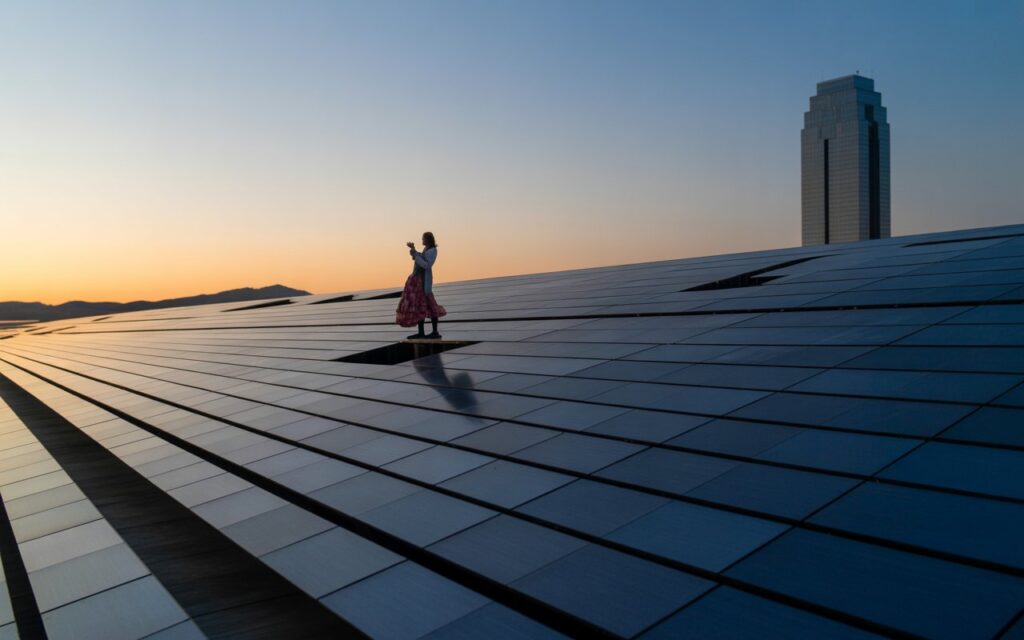
Many TEAS passages also mention how much solar panels cost.
This gives students practice reading numbers and comparing details.
In most parts of the U.S., a typical home solar system costs about:
- $15,000 to $25,000 total
- $2.50 to $3.50 per watt installed
But when you use the 30% federal tax credit, the real price becomes much lower.
This makes solar panels a smart long-term choice for many families.
Different Types of Solar Panels You Should Know
Now that you understand what solar panels are and how they work, let’s look at the different types. The Solar Panels TEAS Passage often mentions these types because TEAS questions like to test simple comparisons.
There are three main types of solar panels used today.
Each one has its own strengths, cost, and efficiency level. Understanding them will help you in real life and also help you answer TEAS questions quickly.
1. Monocrystalline Solar Panels
These are the black panels you often see on rooftops.
They are made from one solid piece of silicon. Because of this, they work very well and produce more electricity even when the sunlight is not very strong.
They also last a very long time, which is why many homeowners choose them.
The only downside is that they cost more. But many people feel the higher cost is worth it because of the better performance.
2. Polycrystalline Solar Panels
These panels look more blue in color.
They are made from many small pieces of silicon melted together. They do not produce as much electricity as monocrystalline panels, but they are cheaper.
Polycrystalline panels are a good choice for people who want solar energy but want to save money on installation. TEAS passages often use them as an example of “moderate efficiency” panels.
3. Thin-Film Solar Panels
These panels are very light and flexible.
You may see them on large buildings, big fields, or even on portable devices. They are easy to install and cost less, but their efficiency is lower.
Thin-film panels work well when space is not limited. But they are not great for small rooftops because you would need many of them to make enough electricity.
What Affects the Power of Solar Panels?
The Solar Panels TEAS Passage also talks about things that change how well a solar panel performs. These are simple factors, but they matter a lot in real life and on the test.
1. Sunlight and Weather
Solar panels work best in bright sunlight.
On cloudy or rainy days, they still work but make less electricity.
This does not mean solar panels are “bad” in cloudy places — they just produce less power on those days.
For example, Germany uses a lot of solar energy even though the country is not very sunny. This shows that solar panels are useful almost anywhere.
2. Panel Angle and Direction
If a panel is pointed in the wrong direction, it will not get enough sunlight.
In most of the United States, panels work best when they face south.
Installers use tools to check the perfect angle before installing a system. This is one reason why a professional installer is helpful.
3. Shade and Dirt
Shade from trees or tall buildings can block sunlight.
Also, dust, leaves, or snow on panels can reduce power.
This is why a quick cleaning sometimes helps the system work better.
It is simple maintenance, but many people forget this step.
Common Challenges of Solar Panels
Even though solar energy is amazing, it still has a few challenges.
The Solar Panels TEAS Passage teaches these challenges so students can practice reading balanced information.
Challenge 1: High Upfront Cost
A solar system costs about $15,000–$25,000 before incentives.
This can feel like a lot at first. But the federal 30% tax credit helps reduce the price. Many states also give rebates and incentives.
Once installed, the panels help lower your electricity bill for many years.
Challenge 2: Weather Dependence
Solar panels rely on sunlight.
If it is cloudy or if the roof is shaded, the system makes less power. But modern panels are much better than older ones. They still work even in softer sunlight.
Challenge 3: Space Requirement
Some homes do not have enough roof space.
Panels work best when they can spread out. Homes with small roofs might need high-efficiency panels or ground-mounted systems.
Challenge 4: Long-Term Care
Solar panels are low-maintenance, but they do need simple cleaning.
Most systems only need light care, such as removing dust or leaves.
How Solar Panels Are Installed (Easy Steps)
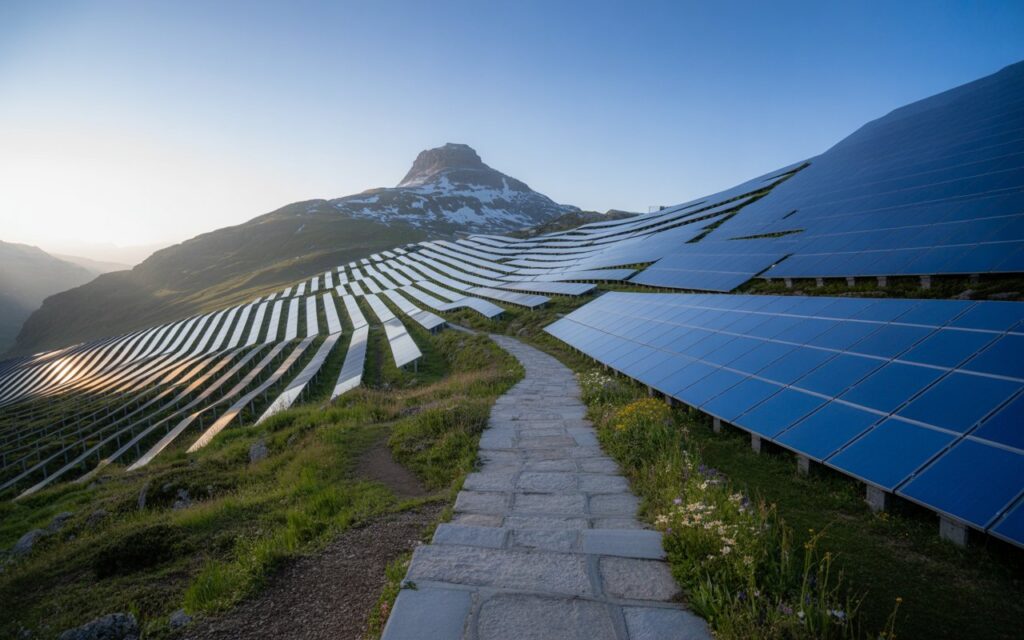
Many students read about installation steps in the Solar Panels TEAS Passage, so let’s break it down in clear, simple steps.
Step 1: Roof Check
A solar expert checks your roof to see if it gets enough sun.
They look for shade, measure the size, and check the roof’s strength.
Step 2: System Design
The installer designs the perfect solar system size, usually in kilowatts (kW).
This is based on your home’s energy use.
Step 3: Permits and Paperwork
The installer handles all paperwork with the city and the utility company.
This includes net metering forms, which allow you to send extra electricity back to the grid.
Step 4: Installation Day
It usually takes 1–3 days to install the panels.
The team mounts the panels, connects wiring, sets up the inverter, and tests everything.
Step 5: Final Approval
The city and utility company check the system.
Once approved, you can turn it on and enjoy clean solar power.
Real-World Uses of Solar Panels
Solar panels are used almost everywhere now.
This is why the Solar Panels TEAS Passage includes many examples of real-world applications.
Homes
Rooftop panels lower electricity bills and increase home value.
Businesses
Large stores, offices, and factories use solar to cut costs.
Remote Places
Villages without electricity can use solar to power lights, water pumps, or schools.
Portable Items
Solar chargers, lamps, and camping tools help people on the go.
Solar energy is flexible. It can be small or large. It can help a single house or an entire city.
TEAS Reading Tips for Solar Panel Passages
Here are simple tips to help you score higher when reading the Solar Panels Teas Passage in the TEAS exam.
1. Find the Main Idea First
Ask yourself: What is the passage mostly about?
Most solar passages focus on how solar panels work, their benefits, or their history at the White House.
2. Look for Supporting Details
These are facts, numbers, or examples that back up the main idea.
For example, “980 solar panels at the White House” is a supporting detail.
3. Watch for Signal Words
Words like:
- however
- because
- therefore
- although
These words show changes, reasons, or results.
4. Practice Inference
Some answers are not directly stated.
Use clues in the passage to understand deeper meaning.
5. Know Key Vocabulary
Words like photovoltaic, inverter, renewable, efficiency, and net metering often appear in TEAS questions.
Why Solar Panels Are a Smart Choice Today
Solar energy is not just good for the TEAS exam — it is good for the world.
It helps lower pollution, saves money, and creates a cleaner future.
With the growing U.S. solar market, cheaper panels, better technology, and strong incentives, more families can switch to solar power. The 30% federal tax credit and state rebates make installation easier than ever.
Solar panels also help during power outages and times when electricity costs rise.
They give people more control over their energy use and their budget.
Final Thoughts: What You Should Remember
The Solar Panels TEAS Passage is more than just a reading exercise.
It teaches real science, real history, and real energy facts in a simple way.
Here is what you now know:
- How solar panels work
- Why TEAS uses solar passages
- The full White House solar history
- Types of solar panels
- Benefits and challenges of solar energy
- How installation works
- How to read TEAS passages better
- Why solar energy matters today
Solar panels are shaping the future.
And by understanding them, you are learning skills that will help you on the TEAS exam and in real life.