Have you ever picked up your phone and wondered how many germs are living on it right now? We touch so many things every day — door handles, money, elevator buttons, shopping carts, and even our own face without thinking. It may sound worrying, but learning to Skip the Germs is not about fear. It is about smart, simple habits that keep you healthy without stressing you out.
Today, germs spread faster than ever because we travel more, share more spaces, use public tools, and touch our phones all day. Even a clean-looking surface can hide bacteria, viruses, fungi, or even tiny microbes we cannot see. But the good news is simple: once you know where germs hide and how they move, it becomes very easy to protect yourself and your family.
What “Skip the Germs” Really Means
When we say Skip the Germs, we do not mean living in a bubble or cleaning every single thing around you. You only need a few smart habits, not a full-time cleaning job. Germs are everywhere, and many of them are actually harmless or even helpful. Some bacteria support digestion and keep your immune system strong. But a few harmful germs — like E. coli, Salmonella, Influenza, and certain viruses — can make you sick.
So instead of trying to avoid all germs, you simply avoid the bad ones. Think of it this way: washing your hands before eating, cleaning your phone once a day, or wiping a door handle in your office can protect you far more than trying to clean your whole house every hour. Small habits, big results.
Here’s a fun example: imagine touching a shopping cart, then touching your phone, and later rubbing your eyes. You may not realize it, but that simple chain gave germs a free ride straight into your body. By skipping just one of those steps, you break the chain — and you stay healthier.
Why Germ Awareness Matters Today
In the last few years, we learned how fast sickness can spread across communities and even across the world. Germs move through hands, air, shared objects, and crowded places. Your phone can even carry more bacteria than a toilet seat — shocking, but true.
But again, this is not about fear. It is about being smart, calm, and prepared. When you understand how germs spread, you can avoid them easily. Just a few simple habits — like good hand hygiene, cleaning high-touch surfaces, and keeping your indoor air fresh — can help prevent colds, flu, stomach bugs, and many common infections.
Many health experts, including doctors, the CDC, and the FDA, say the same thing: good hygiene can stop germs before they even reach you. That is the heart of Skip the Germs — simple steps that fit into your daily life.
Where Germs Hide Around You
Germs are sneaky. They hide in the places you use the most. Some germs love warm and wet areas, while others survive for days on hard surfaces. Your kitchen sponge, for example, can hold more bacteria than your entire bathroom. Replacing it weekly or microwaving it for 30 seconds can kill most of the harmful microbes.
Public places are full of high-touch items touched by hundreds of hands every day. Door handles, shopping carts, elevator buttons, ATM screens, and handrails collect bacteria and viruses all day long. Even personal things like your phone, wallet, keys, earphones, and laptop get dirty fast just from daily use.
Many people don’t realize this, but your phone is one of the germiest items you own. We take it everywhere — the kitchen, the office, the car, the gym, and yes, even the bathroom. That’s why wiping your phone with an alcohol-based wipe every evening is a simple and powerful habit.
If you can spot germ hotspots in your life, you can skip them easily.
How Germs Spread (And How to Stop Them)
Germs spread in a few main ways:
1. Touch
You touch a doorknob, then touch your face.
You shake hands, then open your lunch.
You grab a shopping cart, then touch your phone.
Touch is the number one way germs move from place to place.
2. Air
Sneezing, coughing, or even talking releases germs into the air, especially in rooms with poor ventilation.
3. Food
Raw meat, unwashed vegetables, and dirty hands can spread harmful bacteria.
4. Shared items
Towels, toys, office supplies, gym equipment, or even earbuds can carry microbes.
Understanding these simple pathways helps you block them. You don’t need complicated steps — just smart ones like washing hands, sanitizing surfaces, and cleaning gadgets.
Hand Hygiene That Really Works
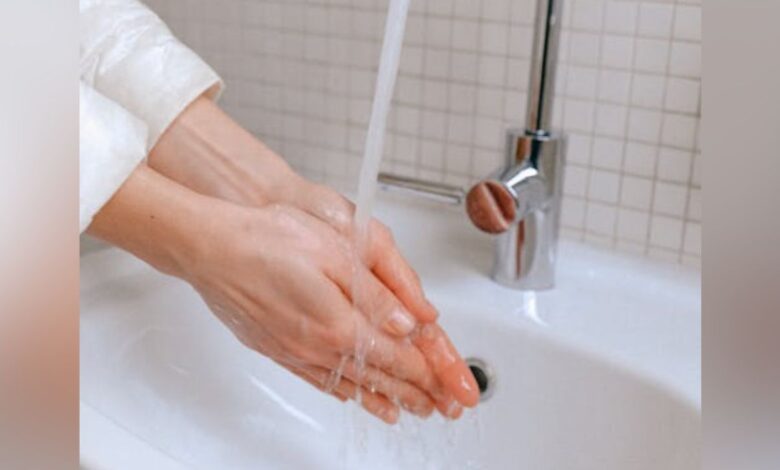
Your hands are germ magnets. They touch surfaces all day and then touch your face without you noticing. Washing your hands the right way is the strongest tool you have. The CDC recommends washing with soap and water for at least 20 seconds — long enough to sing “Happy Birthday” twice.
If soap and water are not available, use a sanitizer with at least 60% alcohol. Sanitizer is great for killing germs fast, but it does not clean visible dirt, so washing is always better when possible.
Kids love turning handwashing into a game. Use songs, timers, or fun routines. A simple habit like this prevents tons of sickness all year long.
Smart Habits to Avoid Touching Germy Surfaces
Sometimes, the best way to Skip the Germs is to avoid touching them at all. Simple tricks can help:
- Use your knuckle to press elevator buttons.
- Use your elbow or a tissue to open public doors.
- Choose contactless payments instead of touching cash.
- Use QR menus at restaurants instead of shared menus.
These tiny changes make a huge difference over time.
Many stores, gyms, and airports now offer automatic doors, hand sanitizer stations, and touch-free checkouts. These are designed to help you skip germs with zero effort.
Keep Your Home and Air Fresh
Your home should be the safest place, but germs still collect in high-touch areas like:
- Light switches
- Fridge handles
- TV remotes
- Bathroom sinks
- Countertops
A quick wipe with disinfectant once a day keeps these areas clean.
Fresh air is also important. Germs spread faster in closed rooms with stale air. Opening a window for just 10 minutes a day helps remove bad air, dust, and fine particles. If you live in a busy city or have allergies, a small HEPA air purifier is a great helper. It removes harmful particles and keeps your home feeling clean and healthy.
Digital Hygiene: Cleaning Your Gadgets
Our phones, laptops, and tablets carry more germs than we think. We touch them every few minutes, so cleaning them daily is one of the smartest habits.
Use an alcohol wipe to clean:
- Your phone
- Earphones
- Keyboards
- TV remotes
Imagine cleaning your hands and then touching a dirty phone — you undo the work immediately. Digital hygiene is a big part of Skip the Germs, especially today when we use devices all day long.
Simple Germ-Safe Tips in Public Places
Public places are filled with germs, but you can stay safe with a few smart habits:
- Carry a small hand sanitizer.
- Sanitize after touching carts, buttons, or handrails.
- Use QR codes instead of shared menus.
- Wipe gym equipment before and after use.
These tiny actions keep you and others safe without changing your lifestyle.
Smart Cleaning vs. Over-Cleaning — Finding the Right Balance
Many people think skipping germs means cleaning everything all day long. But that’s not true. Cleaning too much or using very strong chemicals all the time can hurt your skin, your air, and even your health. What you really need is smart cleaning, not endless cleaning.
Smart cleaning means knowing what to clean, when to clean, and how to clean in a simple and safe way. For example, wiping high-touch areas like door handles, light switches, fridge handles, and remotes once a day is enough. You do not need to scrub every corner every hour. A simple wipe with an EPA-approved disinfectant or a gentle cleaning wipe works well.
You can also make a cleaning plan that feels easy. Do quick cleaning daily, deeper cleaning weekly, and full cleaning monthly. This keeps your home fresh without stress. When you clean with purpose, you save time, stay calm, and still Skip the Germs in a very smart way.
Germ Hotspots at Home — Know Where They Hide
Even the cleanest-looking home has places where germs love to grow. Spots like the kitchen sponge, cutting boards, bathroom sinks, and shared electronics often hold more bacteria than toilet seats. This is because they are warm, wet, or touched many times a day.
Think about your sponge for a moment. It absorbs water and food every day. That makes it the perfect home for bacteria like E. coli or Salmonella. Replacing it weekly or microwaving it for a few seconds helps kill most germs. It’s a tiny habit that keeps your kitchen safer.
Your bedroom, living room, and entryway also collect germs on pillows, carpets, door handles, and keyboards. A few simple wipes and regular washing of linens can stop germs from spreading. When you know the hotspots, you can clean smarter and live healthier without doing extra work.
Food Safety — Keeping Germs Out of Your Meals
Food can bring joy, but it can also bring germs if handled the wrong way. Many foodborne illnesses come from simple mistakes like not washing hands, using the same cutting board for raw meat and vegetables, or not cooking food at the right temperature.
Washing your hands before cooking is your first shield. Washing fruits and vegetables under running water removes dirt and hidden microbes. Cooking meat properly also matters. Use safe temperatures recommended by health experts — for example, poultry needs to reach 165°F (74°C). This kills harmful bacteria so your meal is safe to enjoy.
Storing food the right way is just as important. Germs grow quickly at room temperature. Put leftovers in the fridge within four hours. Divide large meals into small containers so they cool faster. These steps may seem small, but they protect your stomach from unwanted germs and help you Skip the Germs every day.
Teaching Kids to Skip the Germs — Habits That Last for Life
Kids explore the world with their hands. They touch everything, share toys, and sometimes put things in their mouths. This makes them more likely to pick up germs. Teaching them simple hygiene early builds habits that stay with them for life.
Start with handwashing. Make it fun with songs, stickers, or colorful timers. Show them how to scrub their fingers, thumbs, and palms for 20 seconds. Explain why touching their face, eyes, and nose spreads germs. Use easy words or simple stories so they understand without fear.
Teach kids to cover their coughs with their elbow, not their hands. Remind them to keep their backpacks, lunchboxes, and water bottles clean. When kids learn hygiene in a fun, positive way, they enjoy it. And when children Skip the Germs, the whole family stays healthier.
Travel Tips to Stay Germ-Safe Anywhere
Traveling exposes you to many new places — and many new germs. But staying safe on the move is not hard when you know a few simple tricks. Carry a small hand sanitizer, a pack of wipes, and even a mask for crowded areas. Wipe down airplane trays, hotel remotes, and door handles. These items have been touched by hundreds of people before you.
Wash your hands after touching public doors, railings, and restroom surfaces. If you use public transport, try not to touch your face until you sanitize. Clean your phone, wallet, and keys when you return to your hotel or home. These tiny steps help you Skip the Germs while still enjoying your trip.
Travel is meant to be fun. With smart habits, you stay safe and avoid getting sick far from home.
Eco-Friendly Hygiene — Stay Clean While Helping the Planet
You can protect your health and the Earth at the same time. Many people don’t realize that some cleaning products leave strong chemical smells or produce lots of waste. But eco-friendly hygiene makes it easy to care for yourself and the planet.
Plant-based soaps, reusable microfiber cloths, vinegar, baking soda, and lemon juice are great natural helpers. They clean well without harsh chemicals. You can stop using disposable wipes every day and switch to washable cloths. This reduces waste and saves money too.
Eco-friendly habits are simple: fewer chemicals, more natural cleaners, and less plastic. When you make these choices, you Skip the Germs in a gentle way that supports a healthier home and a healthier world.
Understanding Myths vs. Facts About Germs
There are many myths about germs that confuse people. One myth says you need antibacterial soap for everything. But the truth is simple: regular soap works just as well for most daily cleaning. Another myth is that cold weather causes sickness. But sickness comes from germs, not the temperature.
Some people believe hand dryers spread germs everywhere. But if you wash your hands properly, dryers are usually safe. Others think essential oils kill all germs. Oils smell nice and can help with relaxation, but they should not replace real cleaning, handwashing, or vaccines.
Knowing what is true and what is not keeps you safe. It also saves you time and money as you focus only on what actually works to Skip the Germs.
Creating a Simple Daily Hygiene Routine
A daily hygiene routine helps you stay healthy without stress. You don’t need a long list — just a few smart habits. Wash your hands often. Wipe your phone daily. Clean keys and glasses. At home, wipe high-touch areas and keep your air fresh with a small window opening or a HEPA purifier.
Once a week, wash towels, change pillowcases, clean your bathroom sink, and wipe shared surfaces. Once a month, do a deeper clean like washing blankets or checking your kitchen sponge. Use reminders or checklists if needed. When everyone in your home follows the same routine, life becomes cleaner and easier.
A simple routine protects your body, your mind, and your home.
The Mental and Physical Benefits of a Germ-Aware Life
Living with germ awareness does more than protect your body. It improves your whole life. When you avoid germs, you get sick less often. That means more energy, better focus, and more time for things you enjoy. A clean home also creates a calm mind. Less mess, less stress.
When you teach your kids, your partner, or your coworkers to Skip the Germs, you help your whole community stay healthier. This builds confidence and peace of mind. A germ-smart lifestyle gives you control over your health in a simple, natural way.
Small habits lead to big changes.
Conclusion: Make “Skip the Germs” Your Everyday Superpower
Skipping the germs is not about fear. It is about smart choices that keep you safe, clean, and healthy every single day. From handwashing to cleaning your phone, from safe food habits to eco-friendly cleaning, each small step protects you and the people you love.
You do not need to be perfect. Just start with one or two habits today. Wash your hands more often. Clean your phone tonight. Replace your sponge this week. Open your windows for fresh air. Every tiny action helps you live stronger and healthier.
Make Skip the Germs your daily superpower — and enjoy a cleaner, happier, more confident life.