Most of our homes have a running list of things that need doing. These lists are always full and never seem to get any smaller, no matter how hard we try. But there’s a much bigger issue with them – the priorities.
We often go for things that make the house look and feel better or more comfortable. Technically, there’s nothing wrong with that. But looks and feel shouldn’t matter more than safety – especially fire safety.
A quick monthly check is all it takes. A small price for peace of mind.
Start with Alarms
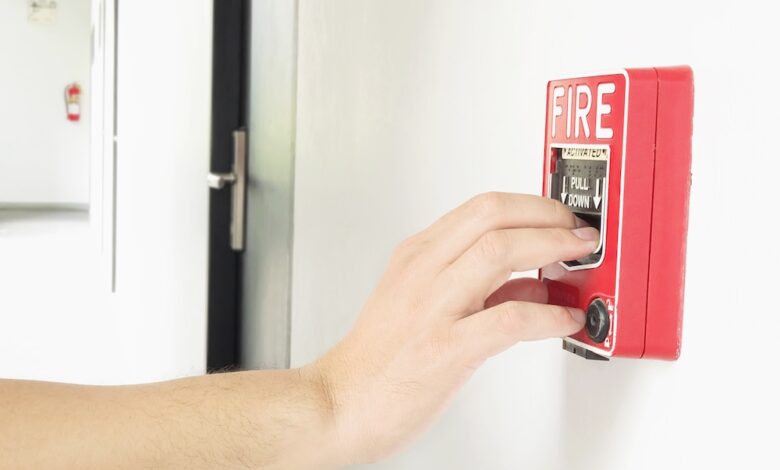
Test yours monthly – it’s one button and five seconds. If the battery’s going, change it. If the alarm is more than ten years old, replace it rather than just swapping the battery.
If you’ve been thinking about upgrading, wireless fire alarm systems are worth a look. They’re mains-powered with battery backup, and they link together — so if one triggers, they all trigger. In a larger home, or one where the bedrooms are a floor above the kitchen, that matters.
A fire starting downstairs at night needs to wake people upstairs, and a single hallway alarm doesn’t always manage it. Wireless systems have become standard in new builds for exactly this reason, and they’re not expensive to retrofit.
Check Your Extinguisher
Most kitchens have one. Few people ever check it. There’s a pressure gauge on the top – if the needle’s in the green, it’s charged and functional. If it isn’t, it needs replacing regardless of how new it looks.
Fire extinguishers also have a service life of around five years before they should be replaced or professionally inspected, which is worth knowing if you genuinely can’t remember when you bought it.
You also need to have the right kind. A dry powder extinguisher is fine for general use, but a CO₂ extinguisher is better suited to electrical fires, which are among the more common causes of kitchen fires. If you’re replacing one anyway, it’s best to set aside some time for a quick research before you buy.
Kitchen Problems
Most home fires start there. Beyond the extinguisher, it’s worth thinking about what else you can do to reduce the risk. Don’t leave the hob unattended when something’s on it. Keep the area around it clear. Make sure the toaster is away from anything that could catch, and that it gets cleaned out regularly — built-up crumbs are a more common ignition source than most people realise.
None of this is about being anxious about cooking. It’s just about not giving a fire an easy start.
Where to start
There’s no need to get paranoid. All you need is a small habit and a quick checklist. Most of the checks take only a few minutes anyway. Testing a smoke alarm is one button. Checking an extinguisher gauge takes seconds. Changing a battery takes longer to find the right size than it does to fit. The work isn’t the problem – it’s just never the most pressing thing on a given day. But it’s just about the most important thing.
So, set a schedule. Test the alarms monthly. Check the extinguisher every few months. Once a year, look seriously at whether your setup still makes sense – whether the alarms cover the right rooms, whether the extinguisher is still in date, whether anything has changed about the house.
Most home fires are preventable. The ones that aren’t are a lot easier to survive if the alarm goes off early and there’s a working extinguisher within reach.