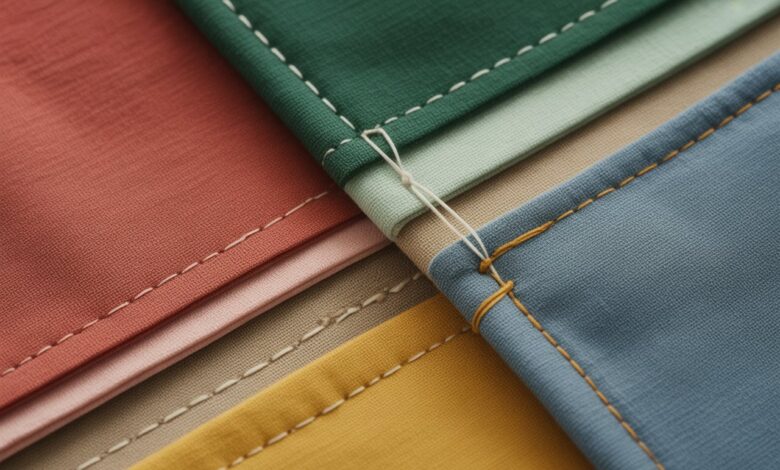
Seams look small, but they decide how a garment feels, how long it lasts, and how “clean” it looks. In sewing, these seam choices are often called Nahttypen, a German word that means “types of seams.” It may sound technical, but the idea is simple: different seams do different jobs.
If you have ever worn a T-shirt that stretched nicely, or jeans that stayed strong for years, seams were doing that work quietly. Once you understand Nahttypen, you stop guessing. You start choosing the right seam on purpose, and your sewing instantly looks more professional.
What Are Nahttypen and Why Do They Matter?
Nahttypen are the different ways we join two or more layers of fabric. A seam is not just a line of stitches. It is the “meeting line” where fabric pieces become one finished item. That seam affects the garment’s shape, strength, comfort, and appearance.
Think of seams like the “bones” of clothing. They hold the fabric in place, but they also guide how the fabric moves. A seam can help a dress drape smoothly, help activewear stretch without snapping, or help a jacket keep its strong structure. That is why seam selection is just as important as fabric choice.
Now imagine making a blouse from silk. If you choose a rough seam that leaves raw edges inside, the fabric can fray and feel scratchy. But if you choose the right Nahttypen, the inside looks neat and feels soft. Small choice, big difference.
The Big Purpose of Seams: Strength, Comfort, and Style
Every seam has a purpose. Some seams are made for durability, so they can handle stress and washing again and again. Some are made for flexibility, so the fabric can stretch and move with the body. And some seams are made for beauty, adding detail like a design line.
This is why people often talk about functional seams and decorative seams. A functional seam is built to hold strong and keep shape. A decorative seam is made to look good, like topstitching that you can see from the outside or a piped seam that adds a bold edge.
Many modern garments use both. For example, jeans often use a strong seam like a flat-felled seam for strength, and then add visible topstitched seams to make the design look sharp. It is not only about sewing. It is also about design choices.
What Happens When You Pick the Wrong Nahttypen?
Choosing the wrong seam is a common beginner mistake, and even skilled people can slip up. The problem is that fabric reacts differently depending on the seam you choose. If the seam does not match the fabric, you may see puckering, stretching, tearing, or edges that fray after a few washes.
For example, a stiff seam on a stretchy knit fabric can break when you pull the garment over your head. On the other hand, a weak seam on heavy denim can split at stress points like pockets and side seams. That is why the “best seam” always depends on the fabric and the job.
A simple habit can save you here: test first. Before sewing your real project, try the seam on a scrap piece of the same fabric. This quick test helps you check thread tension, stitch look, and seam strength. It also helps you see if your seam bulk feels too thick or too stiff.
The 3 Simple Things That Decide the Right Seam Choice
When people ask, “How do I choose the right seam?” the answer is not a mystery. It usually comes down to three simple things: fabric type, garment purpose, and the look you want.
First, fabric type. Is it woven or knit? Is it light like chiffon, or heavy like denim? Woven fabrics often do well with clean, stable seams. Knit and stretch fabrics need seams that can move. Delicate fabrics need gentle seams that hide raw edges.
Second, garment purpose. Are you making formal wear, activewear, outerwear, or workwear? A seam that works for a party dress may fail on sportswear. A seam that is perfect for a jacket may feel bulky on a soft blouse.
Third, desired appearance. Do you want the seam to be visible, hidden, or decorative? Luxury pieces often prefer invisible seams for a smooth look. Casual pieces often use visible seams and topstitching for style. This is where seam design becomes part of fashion design.
The Most Common Nahttypen You’ll See Everywhere
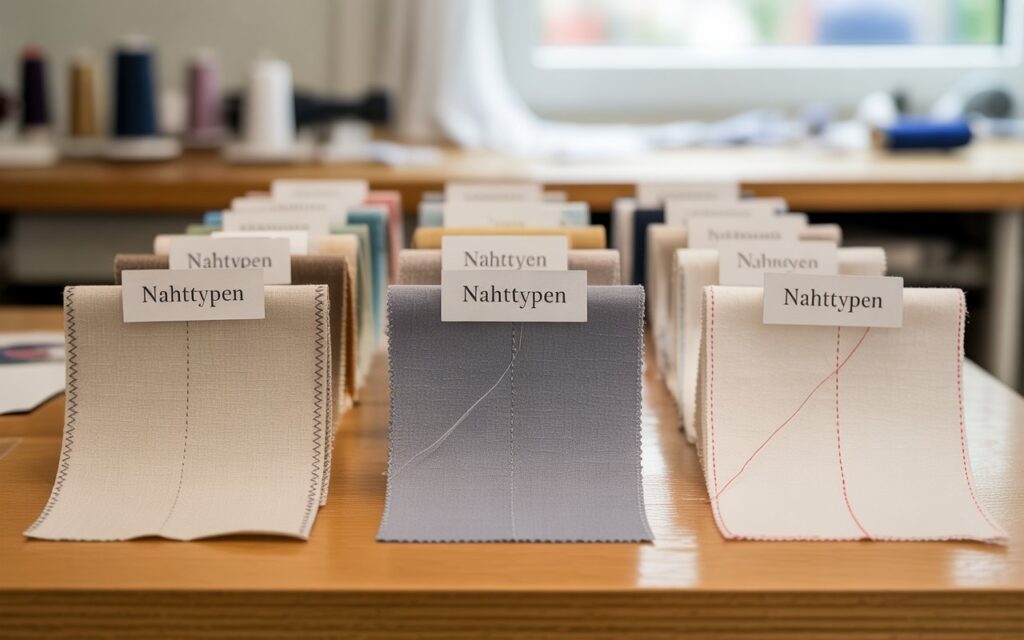
Let’s walk through the most common seam types in a simple way. You will see these in clothing, home décor, bags, and even quilts. Once you know them, you will start noticing them on everything you wear.
Plain Seam (The Everyday Seam)
A plain seam is the most basic and most used seam. It is made by placing two fabric edges together and stitching along the line. It is simple, neat, and works for many everyday garments. But plain seams often need seam finishing, because raw edges can fray.
That is why people often finish a plain seam with a zigzag stitch or overlocking. This is called seam finishing, and it helps prevent fraying and improves garment life. If you are a beginner, plain seams are usually the first seam you learn, and they are a great start.
French Seam (The Clean Inside Seam)
A French seam is perfect for delicate fabrics like silk and chiffon. The special thing about it is that it hides raw edges inside the seam. So the inside looks clean and polished, and the fabric is protected from fraying.
This seam is very common in blouses, dresses, and lingerie because comfort matters there. It feels smooth and looks professional. If you have ever seen a garment with a beautiful clean inside, there is a good chance it used a French seam.
Flat-Felled Seam (The Strong Jeans Seam)
The flat-felled seam is known for strength. It is often used in denim jeans, uniforms, and heavy workwear. The raw edges are folded inside and stitched down, so the seam becomes strong and tidy on both sides.
This seam is great for stress points because it does not unravel easily. It also looks clean from the outside, especially when combined with visible stitching. It takes more time to sew, but it pays off with durability.
Lapped Seam (The Overlap Seam)
A lapped seam is made when one fabric edge overlaps the other and gets stitched down. This is common in leather and thick fabrics, and it can also be used for decorative effects. In some outerwear projects, lapped seams can help create a strong and neat finish.
If you have seen leather goods with strong seam lines, a lapped seam may be part of that design. It is also used when you want extra strength or a certain look on the outside.
Bound Seam (The Wrapped Edge Seam)
A bound seam uses binding, like bias tape or a fabric strip, to cover raw edges. It is both functional and decorative. It can make the inside of a jacket look beautiful, especially in unlined jackets or tailored garments.
Bound seams are also popular in quilts and home décor because they give a clean edge. If you like the “premium” finish inside garments, bound seams are a great seam type to learn.
Seam Finishing: The Part That Makes Sewing Look Professional
Even if you choose the right Nahttypen, seam finishing still matters. Finishing keeps edges from fraying and makes the inside look neat. It also helps the seam last longer, especially after washing.
Common seam finishing methods include overlocking (often done with a serger), zigzag finishing, binding, and sometimes even pinking shears for simple projects. The best method depends on your fabric and your tools. But the goal is the same: protect the edge and improve the final look.
Here is a simple question to remember: “Will this fabric fray?” If the answer is yes, you need a seam finish. That one question can save you from many problems later.
How Nahttypen Change Fit and Comfort
Seams do more than hold fabric together. They shape clothing around the body. A well-placed seam can make a garment fit better, move better, and feel better. This is why high-end brands pay close attention to seam construction.
For example, curved seams help create shape and allow movement. Flat seams can reduce irritation, which is why they matter in activewear. Small choices like seam allowance and thread tension can change the way clothing feels on skin. That is how seams connect comfort and design.
And this is where it gets exciting: once you learn seam control, you can guide the fabric like a designer. Instead of hoping a garment fits well, you can build the fit into the seams.
Sewing Stretch Fabrics the Right Way
Stretch fabrics feel great to wear, but they can be tricky to sew. The main reason is simple. These fabrics move, pull, and bounce back. If the seam cannot stretch with them, the stitches can break. That is why choosing the right Nahttypen is very important here.
For stretch and knit fabrics like jersey, a zigzag seam or an overlock seam works best. These seams move with the fabric instead of fighting it. An overlock seam, often made with a serger, also finishes the edge at the same time. This keeps the fabric neat and stops fraying. That is why activewear, T-shirts, and leggings often use overlock seams.
Before sewing stretch fabric, always test on a scrap piece. Try pulling the fabric after stitching. If the seam stretches without popping, you chose the right seam. This small test saves time and avoids frustration later.
Common Seam Mistakes and How to Avoid Them
Many sewing problems come from small mistakes, not big ones. One common issue is using the wrong seam for the fabric. A delicate fabric like silk needs a gentle seam, such as a French seam. A heavy fabric like denim needs a strong seam, like a flat-felled seam. Mixing these up can ruin the final look.
Another mistake is ignoring thread tension and seam allowance. If the tension is too tight, the fabric may pucker. If it is too loose, the seam may look weak. Seam allowance also matters. Too small, and the seam can tear. Too large, and the garment can feel bulky and uncomfortable.
Many people also skip seam finishing. This is risky. Raw edges can fray after washing. Simple finishing like zigzag stitching, overlocking, or binding makes a big difference. Always remember, neat seams on the inside show skill on the outside.
Decorative Seams That Add Style
Not all seams are meant to hide. Some seams are designed to be seen. These are called decorative seams, and they add style and personality to clothing. A good example is topstitching, which you often see on jeans, jackets, and bags.
Decorative seams work best when used with care. A clean topstitched seam along a collar or pocket can make a simple garment look special. But too many decorative seams can make a design feel busy. This is where balance matters.
Designers often mix decorative and functional seams. The seam holds the garment together, but it also becomes part of the design. This shows how Nahttypen are not only technical choices but creative ones too.
Nahttypen in Industrial and Technical Clothing
Seams are just as important outside fashion. In industrial sewing, seam strength can affect safety and performance. Think about automotive upholstery, outdoor gear, or workwear. These items face stress, movement, and weather every day.
In these cases, strong seams like reinforced seams and flat-felled seams are common. Outdoor jackets and tents often use heat-sealed or welded seams to keep water out. These seams do not use thread. Instead, they use heat or bonding to join fabric.
Even smart clothing and wearable electronics depend on special seam types. These seams must protect wires or sensors while staying comfortable. This shows how seam design supports both function and technology.
Modern Seam Innovations You See Today
Sewing is changing fast. New tools and methods are pushing Nahttypen beyond traditional stitching. One example is bonded seams, where fabric is joined with heat and adhesive. These seams are smooth and reduce bulk, which improves comfort.
Another innovation is laser seaming. This method cuts and seals fabric with high precision. It is often used in technical sportswear where clean lines and light weight matter. There is also seamless knitting, which removes seams completely in some garments.
Designers now use digital fashion software to test seam strength, tension, and drape before cutting fabric. This saves time, reduces waste, and improves fit. Seams are no longer guessed. They are planned and tested.
Sustainability and Smart Seam Design
Sustainability is changing how people think about seams. A well-chosen seam can help a garment last longer. That means fewer clothes thrown away. This is why many designers now focus on smart Nahttypen choices.
Some brands use biodegradable threads to make recycling easier. Others reduce unnecessary seams to save fabric. Some use modular seam construction, which allows garments to be repaired instead of replaced.
A good example comes from a European workwear brand. By mixing welded seams with flat-felled seams at stress points, they made garments that were 30% more durable and 15% lighter. Comfort improved because seam bulk was reduced. This shows how small seam choices create big results.
A Simple Seam Selection Checklist
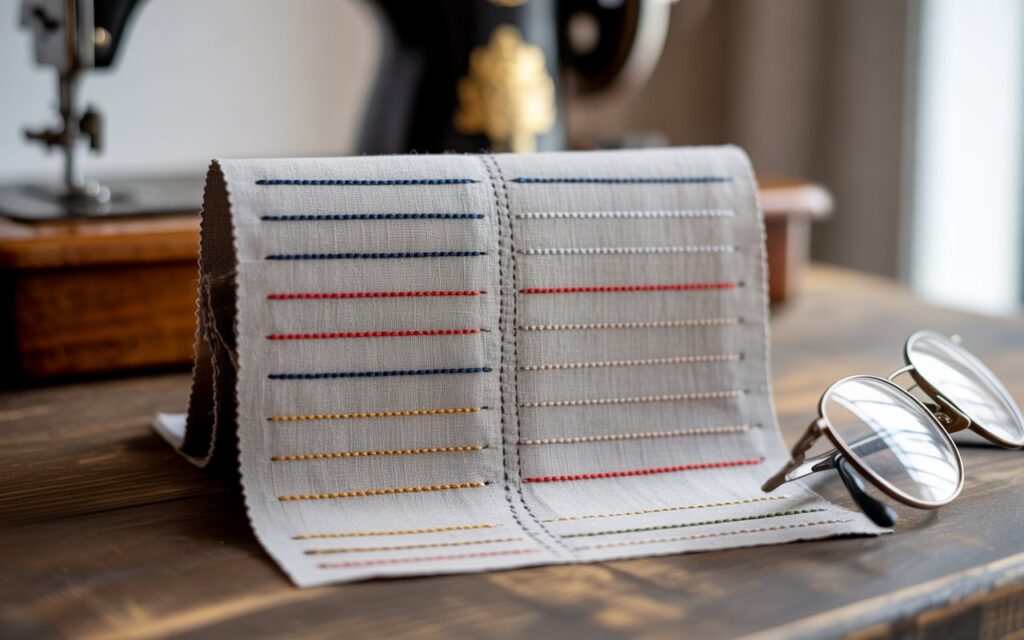
Before starting a project, ask yourself a few easy questions. What fabric am I using? Is it light, heavy, or stretchy? Will the garment move a lot? Does it need to look clean inside or bold outside?
Think about washing too. Will this item be washed often? Strong seams handle washing better. Also think about comfort. Flat seams feel better on skin, especially in activewear.
This simple checklist helps you choose the right Nahttypen every time. It turns guessing into planning, and planning into better sewing.
The Future of Nahttypen
The future of seams looks exciting. Automation, 3D printing, and virtual design tools are changing how garments are made. Seams can now be tested on screen before sewing even begins.
But one thing stays the same. Seams will always matter. Whether stitched by hand or bonded by machine, Nahttypen remain the backbone of clothing. They connect creativity, comfort, and durability.
As fashion and textiles evolve, seam knowledge becomes more valuable, not less. Those who understand seams will always have an edge.
Final Thoughts
Seams may look small, but they do big work. They shape garments, control comfort, and decide how long clothing lasts. Understanding Nahttypen helps you make better choices at every step.
From simple plain seams to modern bonded seams, each seam has a job. When you choose the right one, your sewing becomes cleaner, stronger, and more confident. That is the real power of seam knowledge.
Once you start noticing seams, you will never look at clothing the same way again.