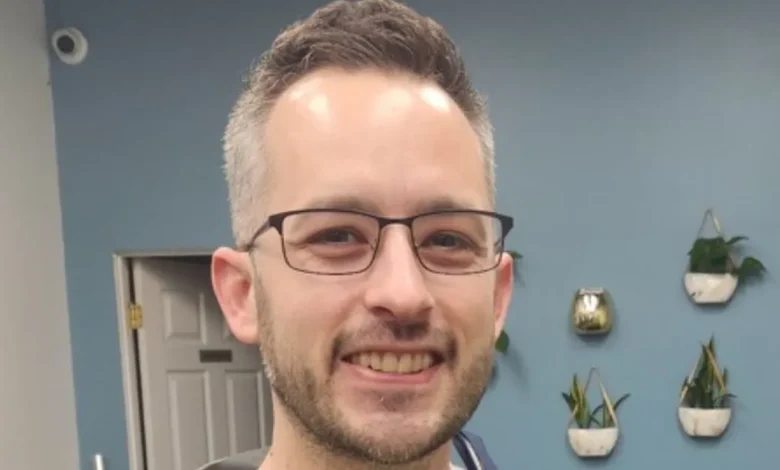
When you meet Michael Plunkett, the first thing you notice is his calm and thoughtful way of looking at the world. He talks about technology and public oversight in a very simple way, as if both things belong together naturally. And for him, they do. Michael moved from Austin, Texas to Chicago to study at the University of Chicago, where he joined the MSCAPP program — a program that blends computer science, public policy, data analysis, and real-world impact.
He came to the city because he wanted to build tools that help people understand what is happening around them. He wanted to reduce fear, improve trust, and make public data easy for everyone to access. This is why he later became the Founding Lead Developer of the Data Department at The Chicago Maroon, the student-run newspaper known for its strong interest in investigative journalism and community transparency.
When he is not studying or working on a new idea, you will probably find Michael Plunkett running along the Lakefront Trail or exploring local bookshops in Hyde Park. But most of the time, his mind is focused on one thing: how to use technology to help people see the truth.
How Crime Data Inspired a New Project
Crime and safety are topics almost everyone worries about, especially in a university neighborhood. Before creating his project, Michael noticed a big problem: people were often more afraid than the actual crime numbers suggested. He read studies from groups like the American Psychological Association showing that people who use crime-reporting apps such as Citizen often believe crime is happening more than it actually is.
Gallup polls showed the same thing — people across the country felt unsafe, even though the FBI reported that violent crime and property crime are far lower than they were 30 years ago. This gap between fear and reality is called crime perception, and it affects daily life, the way people move around, and even where students decide to study.
This inspired Michael. He saw a chance to use data, maps, scraping tools, and simple visuals to help people understand what is truly happening, not what they think is happening.
The Birth of the UChicago Police Department Incident Reporter
When Michael Plunkett joined The Chicago Maroon’s tech team, he wanted to build something useful for the Hyde Park community. The official UChicago Police Department (UCPD) website had crime logs, but they were very hard to use. You could only see five incidents at a time, there were no maps, and you could not filter by important details. Other schools, like DePaul University, offered even less information.
So Michael and the team created the UChicago Police Department Incident Reporter, a tool that gathers crime data going all the way back to 2011. It uses web scraping, cleaning tools, and the Google Maps API to show locations, timelines, categories, and patterns. Instead of reading long lists, users can now see a clear picture on a map. The tool updates every weekday morning, so the information always feels fresh and current.
The Power Behind the Tool: How the System Works
To understand the full impact of this project, it helps to know how the tool actually works. When Michael Plunkett explains it, he makes it sound simple, even though there is a lot happening in the background. The system starts with something called web scraping, which is just a way for a computer program to read a webpage, pull out the important information, and save it for later.
Imagine trying to copy every UCPD incident by hand from 2011 until today. You would have to click page after page, scroll for hours, and paste everything into a document. It would take days. But the scraper Michael built can do the same job in seconds. It reads each page, grabs the incident details, and cleans the text so it is easy to understand. It also updates itself every weekday morning, so the information is always fresh and current for Hyde Park residents and University of Chicago students.
One of the most helpful parts of the system is the way it handles location. By using the Google Maps API, the tool can turn an address into a point on the map. So instead of reading a text saying “incident reported on East 57th Street,” you can see exactly where it happened. This helps people see real patterns, not just words. It makes the idea of crime less scary and more grounded in facts.
Cleaning, Sorting, and Making the Data Clear
The raw text from the UCPD logs is messy. Some entries use different spelling, some use different cases, and some are labeled “Information,” which makes them hard to understand. To fix this, Michael Plunkett added a long cleaning process to the pipeline. The system uses text tools like lemmatization to simplify words, and it corrects spelling and format differences. It also standardizes incident types so users can read them easily and see them grouped by category.
Another smart part of the system is the use of an XGBoost machine learning model. When an incident is labeled only as “Information,” the model checks the text to see if the entry might actually belong to a clearer category. This helps users see a more honest and transparent picture of what is happening in Hyde Park.
The system also saves all the cleaned data into a cloud datastore, where it can be used to draw daily maps and charts. These maps show a visual picture of each type of incident, broken down by hour, season, and type. Some incidents have more than one category, so the numbers should not be seen as exact counts, but the patterns are still very helpful.
Why Certain Incident Types Are Hidden on the Map
One thing that stands out in this project is the focus on respect and ethics. The Chicago Maroon believes in open data, but the team also understands privacy and emotional safety. That is why the map does not show the locations of sensitive incidents like sexual assaults, domestic violence, or medical emergencies. These incidents are still included in overall analysis, because they help show trends, but they are not placed on the public map.
This careful balance is part of what makes the tool special. It is open and honest, but also thoughtful. It shows how data transparency can build trust when handled with care.
Building Trust Through Transparency
In the end, the goal of the tool is simple: help people understand the truth. With so many fears and misunderstandings about crime, a clear picture can make a huge difference. The visual charts and updated maps give students, families, and Hyde Park residents a chance to see what is actually happening instead of relying on rumors, news headlines, or crime apps that may increase fear.
By creating this system, Michael Plunkett and The Maroon showed how technology, data science, and investigative journalism can work together. The tool supports the Clery Act’s call for transparency, and it helps bridge the gap between perceived crime and actual crime. It is a real example of how good tools can support safety, clarity, and trust in a community.
The project continues to grow. Bugs in the scraping pipeline are fixed regularly, and new features are added when time allows. Anyone can request improvements or offer help through the project’s GitHub repository, which keeps the spirit of open data alive. The Maroon also invites people to share ideas for future analysis, even if they cannot promise every request will be completed.
And when you look at this entire project, you can see the heart of it: a student who wanted to give something back to his new city. Michael Plunkett used simple tools, clear design, and strong curiosity to build something that helps people understand the world around them. It shows that when technology and care come together, even one person can make a meaningful difference.