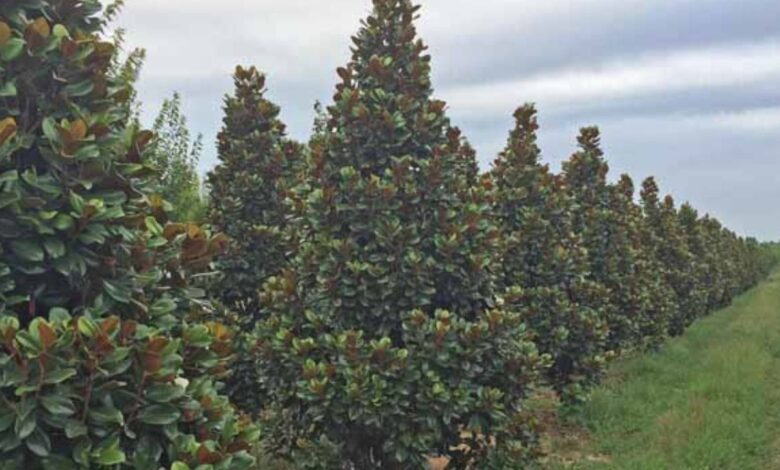
Magnolia trees are celebrated for their stunning blooms and majestic presence in landscapes. Known for their large, fragrant flowers, these trees can enhance the beauty of any garden or yard. With varieties ranging from the classic Southern magnolia to the compact Teddy Bear magnolia, these trees offer something for every gardener. However, successfully growing magnolias requires an understanding of their specific needs, as they can be particular about their growing conditions.
Before planting, it’s essential to know what to expect from magnolia trees, including their preferred environment, watering requirements, and potential pest challenges. If you’re considering adding magnolias to your garden, choosing from the best magnolia plants can make a significant difference in your success. This guide will cover everything you need to know to grow and care for magnolia trees effectively, ensuring that you enjoy their beauty for years to come.
1. Choosing the Right Location
The first step in growing a healthy magnolia tree is selecting the right location. These trees thrive in full sun to partial shade, making it essential to find a spot that receives at least six hours of direct sunlight daily. When choosing a location, consider the soil drainage as well. Magnolias prefer well-draining soil rich in organic matter, which allows for proper root growth. Inspect the site for any potential water pooling after heavy rainfall, as waterlogged soil can lead to root rot.
Additionally, consider the space available for the magnolia as these trees can grow quite large. If you’re planting a variety that will take up considerable space, ensure it won’t interfere with existing structures or plants. Taking the time to choose the optimal location will set the foundation for your tree’s growth and health.
2. Soil Preparation
Preparing the soil is crucial for healthy magnolia growth. Start by testing your soil’s pH levels, which should ideally be between 5.0 and 6.5 for most magnolia varieties. If your soil is too alkaline, consider incorporating organic matter such as compost to help lower the pH. When preparing the planting site, remove any weeds, grass, or debris that may compete for nutrients once the magnolia is planted.
Loosen the soil to promote healthy root growth, as compacted soil can hinder the tree’s ability to establish itself. If necessary, amend the soil with additional organic material to enhance drainage and nutrient content. A well-prepared planting site will promote vigorous growth and flowering for your magnolia tree.
3. Planting Your Magnolia
When planting your magnolia tree, timing is important. The best time to plant is in the early spring or fall when temperatures are cooler, allowing for less stress on the tree. Dig a hole that is about two to three times wider than the root ball but not deeper than the ball itself. Position the tree in the center and backfill the hole carefully, making sure to remove any air pockets.
After planting, water the tree thoroughly to help settle the soil around the roots. It’s beneficial to create a small water basin around the tree to retain moisture as the plant establishes itself. Adding a layer of mulch around the base will help retain water while suppressing weeds. This simple planting technique will foster healthy growth and transition into the new environment.
4. Watering and Fertilizing
Magnolia trees require consistent watering, especially during their initial growth period. Regular watering helps establish the root system, making the tree more resilient as it matures. During the first year, aim to water your magnolia weekly unless there is significant rainfall. After the tree is established, the watering frequency can be reduced but should still be monitored during dry spells.
Fertilizing is also important for magnolias to thrive. Use a balanced, slow-release fertilizer in early spring to provide essential nutrients for growth. Be sure to follow package instructions carefully to avoid over-fertilizing, which can damage the plant. With proper watering and fertilization, your magnolia tree will display vibrant foliage and blooms.
5. Pruning for Shape and Health
Pruning your magnolia tree is essential for maintaining its shape and overall health. The best time to prune is in late winter or early spring before new growth appears. Begin by removing any dead, diseased, or damaged branches to promote healing. Additionally, if the tree has crowded branches, consider thinning out to allow for better light penetration and air circulation.
When shaping the tree, avoid cutting off too much at once. Instead, make small adjustments over time to foster a natural shape. Always use clean, sharp tools to prevent introducing disease. Proper pruning will not only keep your magnolia looking beautiful but also enhance its health and longevity.
6. Pest and Disease Management
Magnolia trees can be susceptible to various pests and diseases that may affect their growth. Common issues include aphids, scale insects, and leaf spot disease. Regularly inspecting your magnolia for signs of distress, such as yellowing leaves or sticky residue, can help catch problems early.
For pest control, consider using organic options such as neem oil or insecticidal soap to treat infestations. Maintaining healthy cultural practices, like proper watering and fertilization, also helps strengthen the tree’s resistance to diseases. Encouraging beneficial insects like ladybugs can also keep pest populations in check. If you notice any signs of disease, promptly remove affected leaves and branches to prevent further spread.
7. Seasonal Care
Seasonal care is critical to the success of your magnolia tree. During the spring, focus on fertilization and structural pruning. When summer arrives, maintain consistent watering and monitor for pests. In fall, consider applying mulch to the base of the tree to conserve moisture and protect the roots from extreme temperature fluctuations.
As winter approaches, protect your magnolia from harsh conditions. If you live in an area with cold winters, providing a protective layer around the base can help insulate the roots. Additionally, consider wrapping delicate branches with burlap as a safeguard against freezing temperatures. Seasonal care routines will help ensure that your magnolia remains healthy and vibrant throughout the year.
8. Recognizing Growth Patterns
Understanding the growth patterns of magnolia trees can assist in proper care and anticipation of their needs. Most magnolias exhibit a slow to moderate growth rate, taking several years to achieve their full height and spread. The Teddy Bear magnolia, for example, typically reaches around 6 meters tall, making it manageable for smaller spaces.
Monitor the tree for signs of stress due to environmental factors like drought or excessive rain. Adjust your care accordingly, ensuring that the tree receives adequate moisture without waterlogging. Watching your magnolia’s growth will enhance your relationship with the tree and help you provide the care it needs for healthy development.
9. Creating a Beautiful Landscape
Magnolia trees, with their stunning flowers and glossy foliage, make excellent focal points in any landscape design. Consider planting them as standalone specimens or grouping them with other plants that complement their beauty. For instance, pairing magnolias with flowering shrubs or ground covers can create a lush, colorful garden.
Additionally, utilizing magnolias in urban settings, such as courtyards or along pathways, can add a touch of elegance. If planted in containers, smaller magnolia varieties can beautify patios and balconies, adding charm even in limited spaces. Thoughtful landscaping with magnolias will not only enhance your outdoor area but also create an enjoyable environment for years to come.
Frequently Asked Questions (FAQs)
What type of soil do magnolia trees prefer?
Magnolia trees thrive in well-draining soil with an ideal pH of 5.0 to 6.5, rich in organic matter.
When is the best time to prune magnolia trees?
The ideal time to prune magnolias is late winter or early spring before new growth begins.
How often should I water my magnolia tree?
Water young magnolias once a week; once established, watering can be reduced, especially during rainy seasons.
Are magnolia trees prone to diseases?
Yes, magnolia trees can be affected by pests like aphids and diseases such as leaf spot; regular monitoring is essential.
Can magnolias be grown in containers?
Yes, dwarf varieties like the Teddy Bear magnolia are suitable for container growth and make excellent choices for small spaces.
Conclusion
Growing and caring for magnolia trees can be a rewarding experience that adds beauty and character to any landscape. By understanding the specific needs of these stunning trees—from how to choose the right location to effective pest management you can ensure that your magnolia thrives for generations.
With their charming appearance and fragrant blooms, magnolias are a worthy investment for any garden enthusiast. Follow the guidelines provided in this post, and enjoy the journey of cultivating one of nature’s most exquisite trees. Happy gardening!