How to Avoid Over Ordering and Under Ordering: A Practical Materials Takeoff for Real Sites

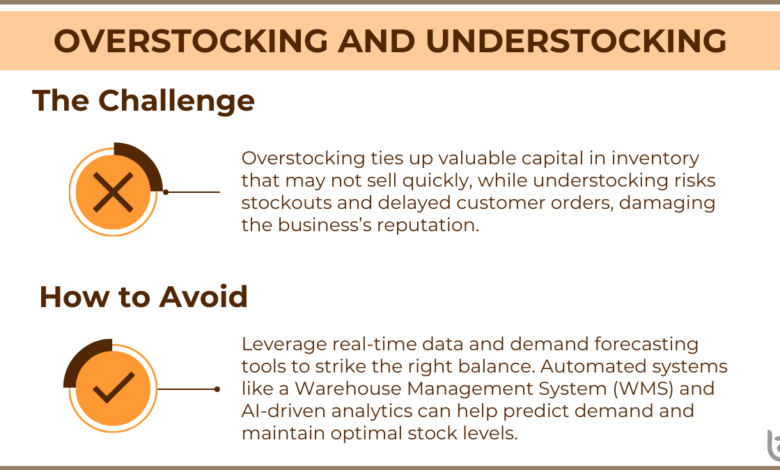
If you’ve ever finished a job with three half packs of timber, a random pile of offcuts, and two unopened boxes of fixings you’ll never use again, you already know the pain of a sloppy takeoff. The opposite is worse: running short mid task, pausing a crew, paying for a rushed delivery, and then discovering the “urgent substitute” doesn’t quite match what you started with.
A solid takeoff is not about perfection. It’s about predictability. You want enough material to keep the job moving without turning your site into a storage unit. It also makes conversations with suppliers faster, because you can order by clear quantities and sensible pack sizes. If you’re dealing with a responsive merchant like Orion Supplies, you’ll get even more value out of it, because you can give them a clean list and they can flag lead times, alternates, and delivery sequencing without guessing what you meant.
This guide sets out a practical way to do a takeoff that reflects how jobs actually run, not how spreadsheets wish they ran.
Start by Breaking the Job Into Work Packages
The biggest takeoff mistakes come from measuring the whole job as one blob. Instead, break it into packages that match the programme. Typical packages are:
Groundworks and drainage
Structural frame and floors
Roof and weatherproofing
First fix carpentry and services containment
Insulation and airtightness
Boards, plastering, and drylining
Second fix and finishes
External works
When you estimate per package, two things happen. You reduce missed items, and you can stage deliveries so materials arrive close to when they’re used.
Measure the Geometry Once, Then Reuse It
Don’t keep remeasuring the same walls and rooms for every trade. Do a basic set of core dimensions, then reuse them:
Floor areas by level
Wall lengths by room
Ceiling areas where relevant
Opening sizes for doors and windows
Perimeter lengths for edges, skirting zones, membrane laps
Even rough but consistent measurements are better than perfect but scattered ones.
Convert Measurements Into Products With a Simple Ruleset
This is where people overcomplicate. You don’t need a fancy estimating tool for most jobs. You need repeatable conversion rules.
Timber framing and carcassing
Convert wall lengths into studs by spacing. Then add allowances:
Stud count = wall length divided by spacing, plus ends and corners
Add extra studs for openings, returns, and heavy fix zones
Add noggins based on board joints and fixing needs
Then convert into lengths based on standard stock sizes, factoring cutting waste.
Sheet materials
Sheets are where under ordering bites hardest, because you can’t always patch in later without visible joints.
Convert area into sheet count:
Sheet count = area divided by sheet coverage
Then add a waste factor that reflects the site, not a generic percentage
A simple approach:
Low waste for open, square rooms
Higher waste for loft conversions, tight stairs, and rooms with lots of boxing
Also account for joint layout. If your boards need to run a certain direction or hit specific centres, the theoretical coverage is not the real coverage.
Insulation
Don’t just buy by area. Buy by build up.
Define:
Thickness
Type
Location
Fixing method or support method
Any required tapes, membranes, or foams
Then measure per zone. Loft zones, rafter zones, floor zones, wall zones. Keep them separate so you don’t end up with the right quantity of the wrong thickness.
Aggregates and concretes
Volume errors are common. People forget compaction and wastage.
For sub base and aggregate:
Calculate volume from area times depth
Apply a compaction factor where relevant
Allow for trimming and losses from handling
For concrete:
Add for overdig, irregular trenches, and uneven bases
Decide whether you’re ordering readymix or site mix
If readymix, consider access, barrow distance, and pour time
A small “waste” buffer in concrete is often cheaper than a second short load.
Choose Waste Allowances Based on Risk, Not Habit
Waste is not one number. It depends on handling, storage, cutting complexity, and sequencing. A useful way to set waste is to ask what’s most likely to go wrong:
Is the site tight and materials will be moved twice
Is there weather exposure before the building is dry
Are there many small rooms and awkward angles
Is there a high chance of damage from other trades
Is storage limited
If several of those are true, your waste allowance should be higher, especially for boards, insulation, membranes, and powders.
Order Consumables as Kits, Not Random Boxes
Fixings, adhesives, sealants, tapes, blades, and sundries are where time disappears. The trick is to order them as kits tied to each work package.
Examples:
Studwork kit: screws, nails, angle brackets, resin for tricky fix points
Boarding kit: drywall screws, joint tape, beads, adhesives, acoustic sealant
Insulation kit: fixings, tapes, vapour layer, grommets, foam
Roof kit: membrane, battens, nails, tapes, flashing accessories
This reduces missed items and prevents over ordering random spares that never get used.
Build a Delivery Plan Alongside the Takeoff
A takeoff without a delivery plan becomes a pile of stock.
For each package, decide:
When it needs to arrive
Where it will be stored
How it will be offloaded
What must stay dry
What can sit outside under cover
This also helps you avoid the classic problem of boards and bagged goods arriving before the building is watertight.
Use Pack Sizes to Your Advantage
Suppliers sell in pack sizes for a reason. If you always order exact quantities, you’ll constantly be short.
A practical rule is:
Round up to sensible pack breaks for critical items
Round down for bulky items you can source locally without drama
Keep a small contingency for high risk lines
Critical items usually include structural timber, boards, membranes, insulation, and specialist fixings. Low risk items might be basic screws, standard sealant colours, or general purpose sand on a straightforward job.
Close the Loop After Each Job
The quickest way to improve takeoffs is a ten minute review at the end of a project:
What ran short and why
What was left over and why
Which products were substituted
What got damaged due to storage or sequencing
Write it down once. Next time you price a similar job, you’ll be faster and more accurate.
The Bottom Line
A good takeoff keeps labour productive and reduces costly “urgent” decisions. Break the job into packages, measure core geometry once, convert with simple rules, and set waste allowances based on site risk rather than habit. Add delivery planning and consumable kits, and you’ll cut both shortages and leftovers without trying to turn estimating into a full time office job.
https://newsswift.co.uk/