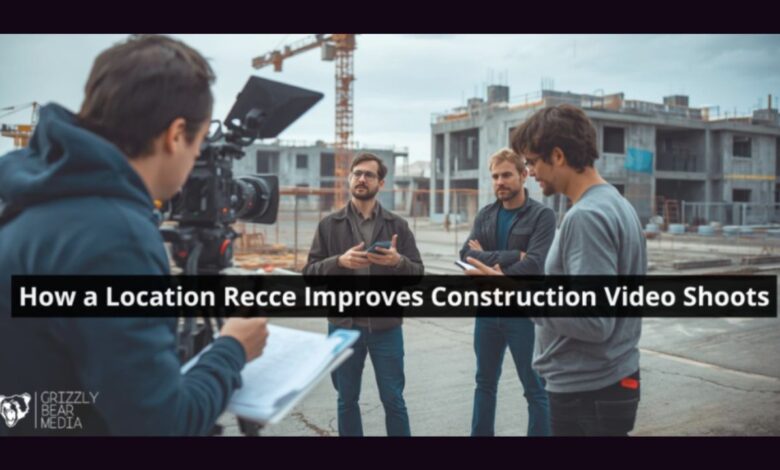
Location recce improves construction video shoots by letting your crew plan shots, spot problems early, and film efficiently without wasting time on site. Many construction videos fall flat simply because teams arrive on-site without knowing the location or what to expect.
At grizzlybearmedia.com.au, we’ve filmed dozens of construction sites across Brisbane. There, we’ve learned one thing: your video production team needs to visit the construction project days or weeks ahead. When you do this, shoot days run smoother, and your footage looks way better.
With that experience, this guide walks you through what happens during a proper recce and shows how it saves time, reduces mistakes, and delivers stronger results for every construction video project.
What Is a Location Recce and Why Do You Need One
A location recce is a pre-shoot site visit where your film production team checks filming conditions, plans camera shots, and assesses the location for construction videos. And you need this because construction project sites change constantly.
So, what looked like the perfect spot for aerial footage last month might block your best shot angle today.
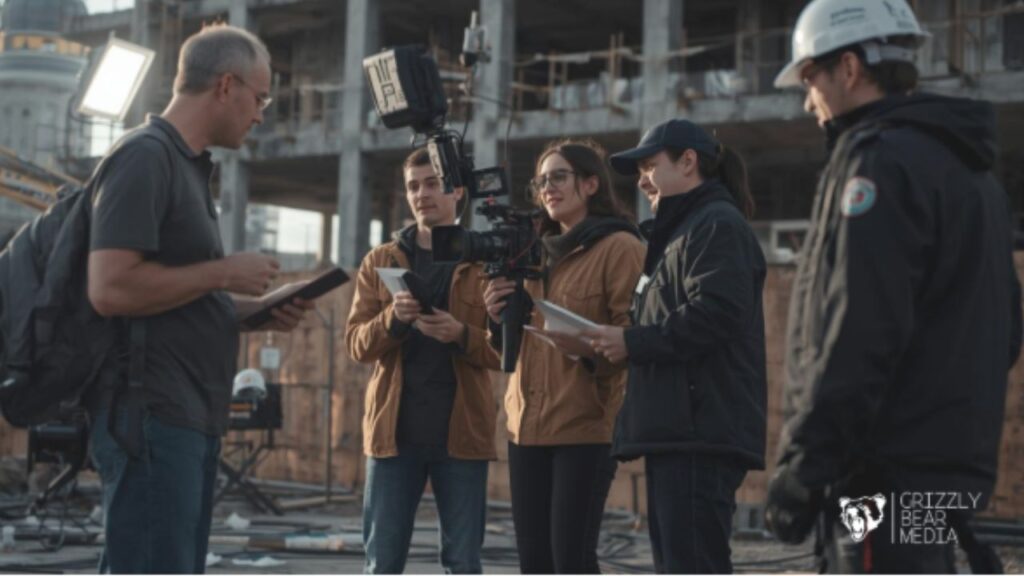
Basically, the term recce comes from military reconnaissance. You might be wondering why location managers and location scouts use this fancy military term. Well, it’s because the scouting process involves the same careful observation and planning as the military.
It generally happens before your crew arrives at the potential locations with expensive equipment and production vehicles.
In film production, a location scout conducts this recce to identify potential problems and capture opportunities. The video content construction relies heavily on this, saving money and effort upfront.
Planning Construction Videos: The Recce Process
The best part of doing proper recce is avoiding last-minute surprises that blow your filming budget (and yes, we’ve all seen crews arrive totally unprepared). And you can easily recce by a tech scout here, since they document everything from site access to noise levels at each location.
Here’s what your location scout checks to execute a better recce process.
Finding the Right Place for Each Shot
Your location manager walks the entire site to find vantage points that look best in your project. So when construction phases change quickly, things that worked for foundation shots won’t work for the next shots.
Different construction phases need different camera positions to capture your storytelling. For instance, ground-level shots showcase machinery at work while aerial footage reveals how the whole project fits into surrounding areas.
In such situations, recce helps identify which shots need drone coverage versus standard camera work for your construction videos.
Understanding Your Construction Project Timeline
Construction sites change daily, so recce timing affects capturing specific milestones or building stages. Sometimes, construction timelines change even faster than Brisbane’s weather. Then, your location scout coordinates with site managers to understand when different phases happen.
Location scouts also search windows where your crew can film during active work without disrupting the project schedule. That’s how planning around weather patterns makes your videos look way better.
Quick tip: Morning and afternoon weather can shift fast, so check these patterns during your recce to plan smoother shoot days.
What a Location Manager Checks During Recce
Location managers check equipment access, facilities, lighting, and safety requirements during the film production process. Sometimes, a tech scout will join them to assess camera needs and crew space at the location. This mix scouting covers every aspect before your team and director arrive on the site.

Now, let’s see in detail what gets documented during recce.
Access Points for Equipment and Crew
Heavy camera gear and lighting equipment need clear paths from parking areas to filming locations. Drawing from our experience filming construction videos across Brisbane sites, access issues cause more production delays than almost anything else.
Besides, construction sites often have restricted zones that require special permits or safety inductions. In this case, your location scout identifies backup routes if primary access gets blocked by machinery or construction vehicles. This extra parking space or alternative entrance can save your entire shoot when site plans change unexpectedly.
Lighting and Weather Considerations
Natural light changes throughout the day, so recce helps your production team schedule shots according to their preferred lighting.
In the recce period, your location manager and camera operator note sun angles and shadow positions to avoid backlit scenes or harsh midday glare. Because the way light hits a building at 8 AM creates completely different videos from 2 PM footage.
Once you map these lighting patterns during your tech scout visit, you’ll know exactly when to film specific shots for professional-quality construction videos.
Safety Requirements for Construction Companies
Construction project sites require proper PPE and safety inductions that your video crew and director must complete in advance (because site incidents cost Australian businesses $6 billion annually). Usually, location scouts identify high-risk zones where filming needs extra precautions, permits, or safety equipment.
We always suggest understanding site safety protocols during the scouting process since it prevents production delays and ensures safety. This also gives you time to arrange supervision or permits weeks in advance when you know your crew will be filming near edges or moving equipment.
How Recce Saves Time on Shoot Day and Post Production
Recce saves time by giving your crew pre-planned shots and tested equipment setups, which means faster filming and fewer editing fixes during post-production. With recce, your production team also knows exactly where to set up at each location.
So, you capture the right raw footage the first time without emergency return visits. Let’s look at how this planning pays off.
Smoother Filming for Construction Videography Teams
Pre-planned shots mean your crew spends less time wandering around looking for good angles. Our tests revealed that pre-planned shoots run 40% faster than ones where the team figures out locations on the fly.
Plus, knowing exact filming locations helps the team set up equipment and get rolling quicker. Most importantly, your videography crew avoids gear issues because they’ve already tested everything at the actual location.
Less Rework for Construction Companies
Proper recce reduces post-production hassles by capturing the right footage the first time without reshoots. And that’s where things get serious for your budget, too.
Besides, with focused reece, clients ask for fewer changes when your video team films exactly what was promised during planning. That’s how clear direction from the start means the finished product looks like what everyone expected.
Get Your Construction Project Filmed Right from the Start
Getting your construction project filmed properly starts with a solid location recce that sets your shoot day and post-production up for success.
Remember, when you invest time in proper location scouting, you capture better footage and avoid costly production mistakes. It also helps your film crew work efficiently at each location, and the finished product matches your vision from the initial recce process.
Ready to film your next video construction project? Contact our team at Grizzly Bear Media for professional construction videography services across Brisbane. Because we handle the complete scouting process, plan every shot, and deliver high-quality videos.