Construction projects rarely fail because of a lack of effort. They struggle when decisions are made on partial information. Guesswork sneaks in quietly—through unclear drawings, outdated quantities, or assumptions that never get tested. Once that happens, budgets start drifting, schedules tighten, and trust erodes.
This is where a connected approach using BIM Modeling Services, Construction Estimating Services, and Xactimate Estimating Services begins to matter. Together, they replace assumptions with measurable data and bring clarity to every cost decision.
Why does guesswork still exist in modern construction
Despite better tools and experience, many projects still rely on fragmented workflows. Designers work in one space. Estimators work in another. Cost updates arrive late, often after decisions are already locked in.
Common sources of guesswork include:
- Incomplete drawings during early pricing
- Manual quantity takeoffs are prone to oversight.
- Pricing based on outdated benchmarks
- Limited visibility into scope changes
Without a shared data source, even skilled teams are forced to fill gaps with assumptions.
BIM models as a single source of truth
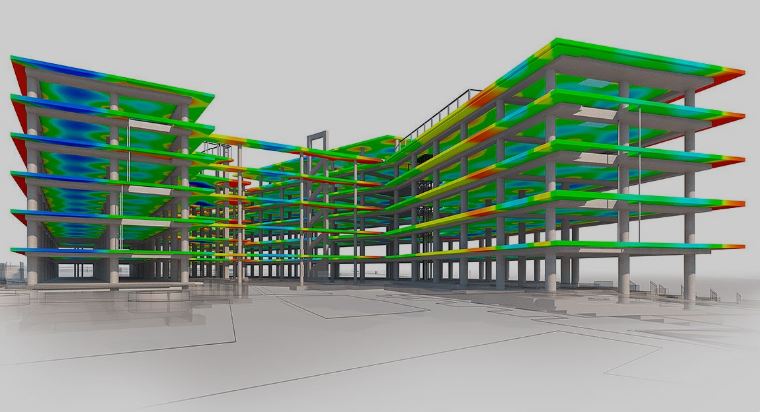
BIM models are more than visual aids. They contain data tied directly to building elements. Dimensions, materials, and relationships are embedded in the model itself.
Through BIM Modeling Services, teams gain:
- Accurate quantities extracted directly from geometry
- Consistency across disciplines
- Visibility into how systems interact
Instead of measuring drawings line by line, estimators work from structured information that updates as designs evolve.
Eliminating surprises during design development
As projects move forward, changes are unavoidable. What matters is how those changes are tracked and priced.
BIM-linked estimating allows teams to:
- Identify exactly what changed
- Update quantities instantly
- Reflect cost impacts without reworking the entire estimate.
This responsiveness prevents cost surprises from accumulating near the end of the design process.
Turning model data into meaningful costs
Quantities alone don’t create reliable budgets. They need context and pricing logic. This is where Construction Estimating Services bridge the gap between design data and financial planning.
By working from BIM outputs, estimators can:
- Validate scope completeness
- Align quantities with the construction method.
- Adjust labor assumptions based on access and sequencing
The estimate becomes grounded in how the project will actually be built, not just how it looks on paper.
Supporting smarter decision-making
Clear cost data supports better choices. When owners and project teams can see the financial impact of options early, decisions improve.
With integrated workflows:
- Value engineering becomes proactive rather than reactive
- Material alternatives are evaluated with real nnnumbersDesign decisions align with budget realities.
Guesswork fades when options are tested against accurate data instead of intuition.
Field-level benefits during construction
The benefits don’t stop once construction begins. BIM-based estimates support ongoing decisions in the field.
They help with:
- Ordering materials based on verified quantities
- Planning installation sequences
- Managing change orders with documented scope impacts
Here, Construction Estimating Services continue to add value long after initial pricing is complete.
The role of Xactimate in cost clarity
Cost databases bring structure to pricing. Xactimate Estimating Services adds consistency by using standardized line items, descriptions, and assemblies.
When BIM-derived quantities feed into Xactimate:
- Pricing becomes traceable and defensible
- Scope definitions remain consistent across revisions.
- Cost breakdowns are easier to review
This combination reduces ambiguity and strengthens confidence during reviews, bids, and negotiations.
Clear communication across teams
One overlooked advantage of BIM and Xactimate integration is communication. Cost discussions become easier when everyone can reference the same model and data.
This clarity helps:
- Designers understand cost drivers
- Contractors explain pricing logic.
- Owners track budget alignment.t
Misunderstandings shrink when numbers are tied to visible elements.
Building long-term estimating confidence
Projects that utilize integrated workflows often develop a deeper internal knowledge over time. Models and estimates become references for future work.
Teams gain:
- Stronger historical cost data
- Improved forecasting accuracy
- Reduced reliance on assumptions
Over time, estimation becomes less about prediction and more about confirmation.
Replacing assumptions with informed insight
Guesswork thrives in isolation. It disappears when data flows freely between design and cost planning.
By aligning BIM Modeling Services, Construction Estimating Services, and Xactimate Estimating Services, construction teams create a connected system where decisions are backed by measurable information. Costs become clearer. Risks become visible. Confidence grows.
FAQs
How do BIM models reduce estimating errors?
They provide accurate, updatable quantities directly from the design, reducing manual measurement mistakes.
Can Xactimate work with BIM-based quantities?
Yes. BIM quantities can be structured to align with Xactimate line items, improving pricing consistency.
Is this approach suitable for renovation projects?
Absolutely. BIM and Xactimate are especially useful in renovations where unknown conditions increase cost risk.