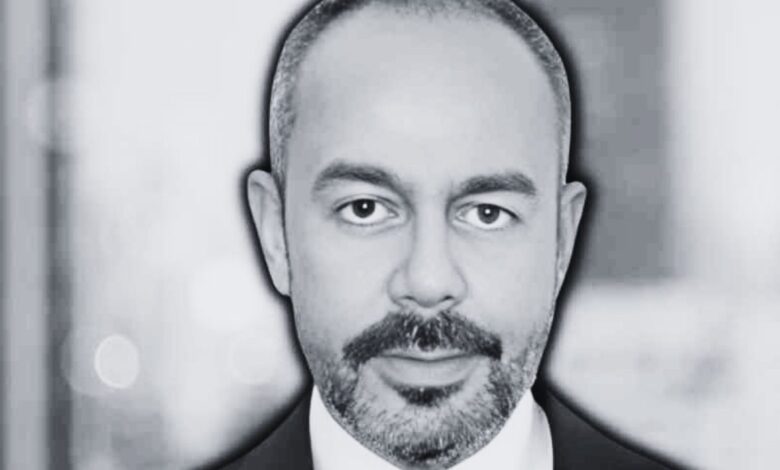
When people talk about powerful investors on Wall Street, most names are loud and everywhere. David Martinez is different. He works quietly. He avoids interviews. He stays away from cameras. Yet his decisions move billions of dollars and affect entire countries. Because of this, many people call him the “ghost investor.”
What makes his story interesting is not just his wealth, but how he built it. He did not chase trends or quick wins. Instead, he focused on broken systems, struggling companies, and countries in financial trouble. Where others saw risk, he saw long-term value. This calm and patient approach shaped his place in global finance.
In this article, we’ll walk through his life step by step. We’ll look at where he came from, how he learned to think differently, and how he built one of the most discreet investment firms in the world.
Early Life: Growing Up in Monterrey
David Martinez was born in 1957 in Monterrey, Mexico. Monterrey is known as a business city. It is home to factories, engineers, and family-owned companies. Growing up there gave him an early look at how industry and money really work.
As a child, he was curious and thoughtful. He liked solving problems and thinking deeply. He wasn’t loud or flashy. Instead, he paid attention and asked questions. These habits stayed with him for life and later became key to his success.
Monterrey also shaped his values. Business there is often built on long-term thinking, not quick profits. This mindset would later guide how he invested during times of crisis.
Education: Engineering, Philosophy, and Business
David Martinez first studied engineering at Monterrey Institute of Technology and Higher Education. Engineering taught him discipline. It trained him to break big problems into smaller, solvable pieces. This way of thinking later helped him understand complex financial deals.
After that, his path took an unusual turn. He went to Rome and studied philosophy and theology at Pontifical Gregorian University. For a short time, he even considered becoming a priest. While he chose a different path, those studies shaped how he thought about patience, ethics, and long-term impact.
Later, he completed an MBA at Harvard Business School. At Harvard, he learned global finance, capital markets, and strategy. More importantly, he learned how countries, banks, and investors interact during financial stress. This mix of engineering logic, deep thinking, and business strategy became his edge.
First Steps on Wall Street
After business school, David Martinez joined Citigroup in New York. He worked on the emerging markets desk, dealing with countries that were already facing debt problems. This was not an easy area. The risks were high, and the situations were often political and messy.
But this environment suited him. He saw that panic often caused assets to be mispriced. When everyone else was afraid, real value was often hiding beneath the surface. These early years helped him understand sovereign debt, defaults, and restructuring.
Eventually, he realized he wanted independence. He did not want to follow standard rules or rush for short-term gains. He wanted time, patience, and control over decisions.
Founding Fintech Advisory
In 1987, with about $300,000 borrowed from family, David Martinez founded Fintech Advisory. The idea was simple but bold. Instead of avoiding troubled assets, the firm would focus on them.
Fintech Advisory specialized in distressed sovereign and corporate debt. This meant buying debt from countries or companies in trouble and helping restructure it over time. These deals were complex and slow, but they offered huge upside if handled carefully.
The firm operated quietly from New York and London. It had no flashy website and rarely spoke to the press. Results mattered more than attention. Over time, this quiet strategy earned Fintech a reputation for effectiveness and discretion.
A Different Way of Investing
David Martinez never behaved like a typical hedge fund manager. He didn’t rush in and out of deals. He didn’t threaten or pressure for quick payouts. Instead, he focused on deep analysis, long-term commitment, and calm negotiation.
He believed that broken systems take time to heal. Countries need breathing room. Companies need restructuring, not punishment. This approach earned him mixed labels. Some critics called him a “vulture investor.” Others, especially in Latin America, began calling him the “friendly vulture.”
This balance between profit and recovery became his signature style. It also set the stage for his most important investments, especially in Argentina and Mexico — which is where the second half of this story will continue.
Argentina: The Deal That Defined His Reputation
The real turning point for David Martinez came in Argentina. The country was in deep trouble. Debt was unpaid. The economy was unstable. Many investors ran away. Martinez did the opposite.
Through Fintech Advisory, he bought distressed Argentine government bonds. These were cheap because people were afraid. Martinez believed the country would recover over time. He worked closely with officials during debt talks and supported long-term solutions instead of quick pressure.
Because of this approach, people in Argentina started calling him the “friendly vulture.” He still made profits, but he also helped companies and systems survive. This balance between business and patience made him different from most hedge fund investors.
Media and Telecom Power in Argentina
Martinez didn’t stop with government debt. He also invested in major Argentine companies. One key move was buying a large stake in Cablevisión, part of Grupo Clarín.
Later, he gained control of Telecom Argentina through Fintech Telecom LLC. This gave him influence over both media and telecom in the country.
These moves were not fast or flashy. They took years. But they showed how David Martinez thinks. He looks at how people live, communicate, and connect. Then he invests where long-term growth will come.
Saving Companies in Mexico
In Mexico, Martinez became known for rescuing struggling companies. One of the most famous cases was Vitro, one of the country’s oldest glass makers.
Vitro was drowning in debt. Many thought it would collapse. Martinez stepped in and used a debt-for-equity swap. This means he traded debt for ownership. It helped the company survive and keep operating.
He did something similar with CYDSA. Again, he bought distressed debt and helped guide the company back to stability. These deals showed that distressed investing can save jobs and industries when done carefully.
Europe: Banking During Crisis
During the European financial crisis, fear spread across banks. In Spain, Martinez saw opportunity. He bought a large stake in Banco Sabadell.
At the time, many investors avoided Spanish banks. Martinez joined the board and stayed patient as the economy slowly recovered. Over time, the bank’s position improved, proving his long-term approach once again.
He also invested in Italian banking, including Monte dei Paschi di Siena, one of the oldest banks in the world. These moves showed his comfort working in complex and regulated systems.
High Risk Markets: Venezuela and Beyond
Not all investments were easy or quiet. In 2017, Fintech Advisory provided a $300 million loan linked to Venezuela. This deal attracted attention from U.S. Department of Justice and U.S. Treasury Department.
The deal showed the risks of operating in unstable political areas. No charges were filed, but the scrutiny was real. Martinez remained calm and continued working within legal limits.
This episode reminded everyone that his strategy involves risk, patience, and strong legal planning. It also showed why many see him as a master of political risk investing.
Wealth, Privacy, and Lifestyle
Despite being a billionaire, David Martinez lives quietly. He avoids interviews. He does not attend big conferences. There are very few public photos of him.
One known asset is his duplex apartment at Time Warner Center in New York, bought for around $42 million. The home is large, private, and designed to hold heavy artwork.
Martinez is also a serious art collector. His collection includes works by Jackson Pollock, Mark Rothko, Pablo Picasso, and Damien Hirst. Art, like distressed debt, rewards patience.
Net Worth and Business Impact
Estimating his wealth is not easy because his firm is private. Still, reports place his net worth between $2.4 billion and $4.7 billion. Rankings from Bloomberg Billionaires Index and other sources support this range.
His assets include telecom, media, banking, airports like OMA, and art. What matters more than the number is how his decisions affect countries and industries.
Few investors can say they influenced national economies. David Martinez can.