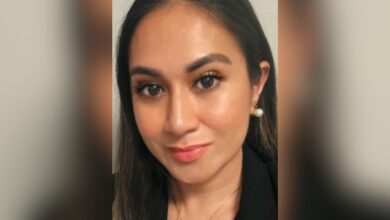
When you hear the name Suki Fredericks, you may think of quiet studios, old paintings, and the careful work of bringing art back to life. But her story, and the story of the team around her, is also about Vermont, community, and the strong effort needed to protect history. This Article will walk you into that world in a simple and easy way, so you can see how everything fits together.
A Look Into the World of Conservation
Art conservation may sound like a complex field, but the heart of it is simple. It is about saving the things that matter. It is about keeping paintings, paper, textiles, and historic objects safe, strong, and ready for future generations. This is what Suki Fredericks has been doing since 1976.
She works as a paintings conservator, which means she cleans paintings, fixes tears, reduces old varnish, and strengthens paint layers. She works in her own studio, Oliver Hill Paintings Conservation, in Leicester, Vermont. She also works on-site for museums, nonprofits, and private collectors all across the Northeast. Her work is calm, patient, and very detailed. A small tear or a faded color may not look like much, but to Suki, it is a sign that a painting is asking for help.
If you ever walked into a museum like the Shelburne Museum, you may have already seen art that has passed through her hands. Maybe you have even admired a painting without knowing it once needed careful cleaning or repair.
The Path of a Conservator
To do this kind of work, training is important. Suki Fredericks studied at the NYU Institute of Fine Arts, where she earned an M.A. in Art History and a Certificate in Conservation. Before that, she studied art history and studio arts at Colorado College. Her early training also included time at the Detroit Institute of Arts and with Rustin Levenson Conservation Studio.
This mix of hands-on work and academic study shaped her into a strong, thoughtful conservator. She understands how a painting was made, how it aged, and what it needs now. That is why many museums and organizations rely on her. Some of these include Curtains Without Borders, WASHI Paper Conservation, and the Vermont Historic Theater Curtain Project.
Her skills cover many areas: cleaning, tear repair, varnish reduction, strip lining, and large collection surveys. All these are part of the daily life of a conservator.
The Conservation Community Around Her
While the work of Suki Fredericks is impressive, she is not working alone in the world of Vermont conservation. Vermont has a rich network of trained people who care about art and history. At the center of this network is the Vermont Painted Theater Curtain Project, an important cultural effort.
This project includes many talented conservators. Christine Hadsel, the founding director of the Vermont Museum & Gallery Alliance, helped lead this work and raised support for historic preservation across the state. Mary Jo (MJ) Davis, a lead paper conservator with a private practice in Newark, Vermont, brings her deep knowledge of paper conservation. Michele Pagan, a textile conservator, works on historic flags for the State of Vermont. Emily Gardner Phillips and Carolyn Frisa also contribute their skills through painting and paper conservation.
The conservation community is also supported by assistants like Wylie Garcia and Mary Richardson, board leaders like Rick Kerschner, and riggers like Robert Brier, who helps install theater curtains and large objects that are too big or too fragile for others to move safely.
A Closer Look at Life Behind the Work
When we talk about conservation, it is easy to picture a quiet studio and a careful hand holding a small brush. But the real story includes life outside the studio too. For Suki Fredericks, this story began long before she became known for her conservation work in Vermont.
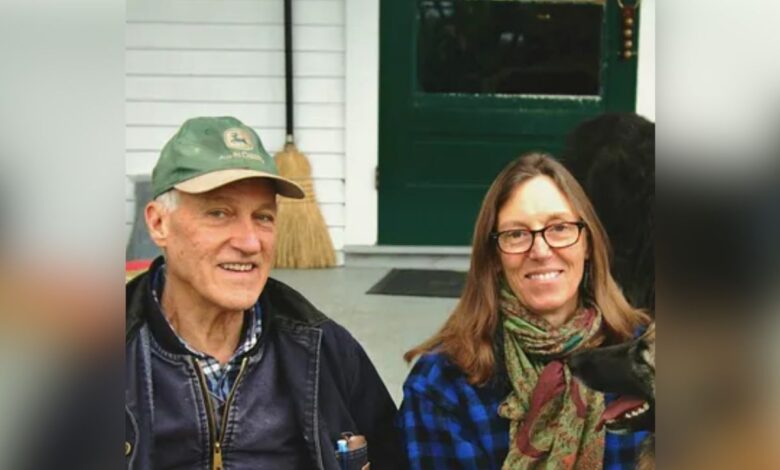
In 1986, Suki and her husband, James Maroney, moved from Manhattan to the small town of Leicester, Vermont. They wanted a calm home where they could raise their child and spend more time together. Life in the city made that hard. Vermont seemed like a place where family time could grow.
They bought a large dairy farm with 775 acres and 250 cows. It sounds simple, but it was much harder than they expected. James often said that dairy farming was overwhelming. He remembered nights when he counted all the “souls” he was responsible for—cows, chickens, turkeys, kids, pets, and farm helpers. It was a heavy load, but it also shaped their understanding of rural life.
This story helps us see who Suki is. She is steady, patient, and willing to learn from every part of life. These same traits show up in her conservation work today.
Why Conservation Matters in Vermont
Vermont is known for quiet mountains, small towns, and historic buildings. Many people visit the state expecting calm fields, fresh air, and a slower life. They enjoy the museums, the local stories, and the feeling of old New England charm.
But this peaceful picture only stays alive because people take care of Vermont’s history. That is why the work of Suki Fredericks and the larger conservation team matters. Without them, many old paintings, theater curtains, and folk art pieces would fade, tear, or disappear.
Think for a moment about the Vermont Painted Theater Curtain Project. These curtains once hung in town halls and small theaters all across the state. They show mountains, farms, lakes, and even quiet villages. Each curtain is like a window into Vermont’s past. But many of them are fragile today. They need cleaning, repairs, support systems, and safe installation. That is where Suki, MJ Davis, Michele Pagan, Emily Gardner Phillips, and others come in.
Their combined skills in paintings conservation, paper conservation, textile conservation, and historic preservation help keep this history alive.
Teamwork That Protects History
One special part of this work is the wide range of people involved. Every person plays an important role. Someone like Christine Hadsel brings leadership and vision. She helped build the Vermont Museum & Gallery Alliance, raised money for conservation programs, and supported the statewide care of art and objects.
Conservators like MJ Davis and Carolyn Frisa bring deep knowledge of paper objects. Textile experts like Michele Pagan take care of historic flags and fabrics. Riggers like Robert Brier bring strength and skill when large curtains must be moved safely.
Even technicians like Wylie Garcia and Mary Richardson help prepare, support, and install materials. Their care keeps treatments safe and smooth. Together, all of these people form a strong circle around Vermont’s cultural history.
The Lasting Work of Suki Fredericks
At the center of this circle, you still find Suki Fredericks working with quiet focus. She continues to clean paintings, repair tears, and study old surfaces. She understands how paint reacts to age, light, and time. She knows how to bring back color without losing history. Most of all, she respects every piece she touches.
Her long experience with the Shelburne Museum, Curtains Without Borders, WASHI, and other conservation partners shows how trusted she is. Her work is not just about skill. It is about care.
Why These Stories Are Important Today
This work may seem small, but it strengthens the entire state. When visitors walk into a museum, a theater, or a historic hall, they see art that still looks strong and alive. They feel connected to the past. They learn something new. And much of that connection comes from people like Suki Fredericks and the team around her.
So the next time you see a bright painting or a restored curtain in Vermont, you may think of all these people working behind the scenes. Their hands, skills, and stories help keep Vermont’s heritage safe for the future.