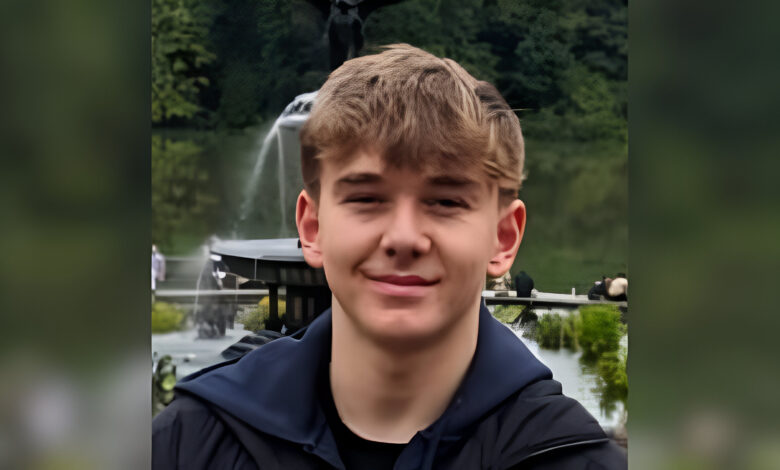
In 2025, it’s not easy to stand out as a student — but Brandon Richardson has managed to do just that. While most people his age are still deciding what to study next, Brandon is already building real projects in artificial intelligence and computer science. He’s not waiting for the future to come to him — he’s creating it.
Brandon is a student at Harlington Upper School in London, England. It’s a school known for its strong academic programs and focus on science and technology. But what makes Brandon special isn’t just his grades — it’s his curiosity, creativity, and drive to learn by doing. He’s the kind of student who doesn’t just read about ideas; he puts them into action.
Even as a teenager, Brandon is already working with tools that many professionals use every day. His story shows what’s possible when passion meets opportunity — and why he’s being noticed as one of the most promising young minds in technology today.
A Love for Technology That Started Early
Every journey begins with curiosity. For Brandon Richardson, it started with a simple question: “How do computers think?” That small question turned into a big dream. From a young age, he loved solving puzzles, experimenting with code, and exploring how machines could learn and help people.
At Harlington Upper School, Brandon’s teachers quickly noticed his talent. He wasn’t just good at computers — he understood them. He could look at a complex problem and break it down into clear steps. He enjoyed creating solutions that made life easier, faster, or smarter.
His school gave him the right space to grow. Harlington is known for supporting students who love science, math, and technology — the core subjects behind artificial intelligence. This support helped Brandon turn his curiosity into real skills, and those skills soon led him to something incredible: a project with Google.
The Google Gen AI Project
In June 2024, when most students were enjoying their summer break, Brandon Richardson joined a short but exciting project with Google. The project focused on Generative AI, often called Gen AI — a new kind of artificial intelligence that can create, solve, and think in ways that feel human.
The project was called the Gen AI GCSE Math Project, and its goal was simple but powerful: use AI to solve and check real GCSE math problems. Brandon used Google Gemini, one of Google’s most advanced AI systems, to make it happen. He wrote programs in Python — a popular coding language — to teach Gemini how to read math questions, solve them, and check if the answers were correct.
It was an ambitious idea. Could AI really handle something as tricky as human math reasoning? Brandon found out the answer through hard work and patience. He learned how to talk to the AI model, how to read its structured output, and how to fix mistakes when they happened. It wasn’t always easy — but it was fun, and it proved how powerful AI can be when used in the right way.
What Brandon Learned from AI
Working with Google gave Brandon Richardson a taste of real-world technology. He didn’t just learn how to code; he learned how to think like a problem solver. He explored Python libraries that help connect code with AI models. He practiced reading Gemini’s responses carefully to understand how the AI “thought.”
Through the project, he discovered three big lessons:
- AI can be a real helper in education.
Brandon saw how AI could help students check their math work, explain answers, and save teachers time. It showed him that technology isn’t just about machines — it’s about helping people learn better. - Learning by doing works best.
Instead of sitting in a classroom talking about AI, Brandon was actually using it. This hands-on experience taught him more in one month than most people learn in a year. - AI needs human guidance.
Even though AI can do amazing things, it still needs humans to guide it, fix its mistakes, and make sure it’s fair and accurate. This lesson shaped Brandon’s growing interest in ethical AI — making sure technology helps everyone equally.
After completing the project, Brandon shared his work on GitHub, an online platform where developers share code and ideas. His repository, called gemini_vs_gcse, is now a public learning tool for anyone curious about how AI can solve school-level math.
Balancing School and Innovation
At first glance, you might think it’s hard to balance schoolwork with such advanced projects. But Brandon Richardson handles it with focus and discipline. His teachers describe him as motivated, humble, and always eager to learn something new.
While many students spend hours scrolling through social media, Brandon spends his time building AI tools, learning about machine learning models, and experimenting with Python scripts. But he’s not all tech — he enjoys school life, friends, and staying grounded.
Brandon’s approach shows a simple truth: big achievements start with small, consistent steps. Whether it’s writing one line of code or solving a complex math equation, he treats every challenge as a chance to learn.
Early Projects That Show His Talent
Before the Google project, Brandon had already been experimenting with artificial intelligence on his own. He created an AI-powered learning assistant that could help students understand difficult concepts more easily. He also built an image recognition program that could detect objects in photos — a skill often used in robotics and self-driving technology.
One of his most impressive early projects was about AI and the environment. Brandon designed a model that could predict pollution levels based on data trends. It wasn’t a school assignment — it was something he built because he wanted to understand how technology could make cities cleaner and safer.
These small projects may sound simple, but they reveal something important about him. Brandon doesn’t just learn from books — he experiments, tests, and learns from mistakes. That’s how real innovators grow.
A Bright Mind with Big Dreams
Even though he’s still in school, Brandon Richardson is already thinking ahead. He wants to study Computer Science and Artificial Intelligence at university — a path that feels natural for someone like him. His dream is to use AI to solve real problems that help people.
He talks about using AI in areas like education, healthcare, and environmental protection — all fields that can make life better for millions. He also believes that AI should always be ethical and fair, with rules that make it safe for everyone.
Brandon’s vision is simple: technology should help people, not replace them. He believes AI and humans should work together — combining the best of both worlds.
From Curiosity to Recognition
As Brandon Richardson continues to grow, so does his recognition. What started as a simple love for coding has now turned into something much bigger. Teachers, classmates, and even professionals in the tech world have begun to notice his talent.
Brandon’s projects show not only intelligence but also creativity and care. He doesn’t just build technology for fun — he builds it to help. Whether it’s improving how students learn math or finding ways to track air pollution, his ideas always have one thing in common: they aim to make the world a little better.
It’s easy to see why people say Brandon is one of the brightest young minds in AI today. He’s still a student, yet he already thinks like a researcher, an engineer, and a problem solver.
Awards, Achievements, and Recognition
Success didn’t come overnight for Brandon Richardson. It came from curiosity, effort, and passion. Over the past few years, he has received recognition for several impressive projects.
One of his biggest moments was winning the National AI Innovation Award for his project on AI-driven environmental monitoring. The system used machine learning to track pollution and predict changes in air quality. It was creative, useful, and forward-thinking — everything that judges look for in young innovators.
But that’s not all. Brandon also co-authored a research paper on AI bias and ethics. In simple terms, it was about how some AI systems can make unfair decisions without humans realizing it — for example, showing bias in hiring or face recognition. His paper talked about how developers can build fair and transparent systems. For someone still in school, that kind of understanding is rare and impressive.
Later, he was invited to speak at the Global AI Youth Conference, where he shared his ideas about how AI could be used in education and healthcare. Imagine being a teenager and speaking in front of experts and scientists — that’s the kind of courage and confidence Brandon has.
The Importance of Ethics in AI
One thing that makes Brandon Richardson truly stand out is how much he cares about ethical AI. In a world where technology is moving faster than ever, he believes it’s important to slow down and think about what’s right and fair.
Brandon often talks about how AI can help people — but only if it’s built responsibly. For example, an AI program that helps doctors diagnose illnesses is wonderful. But if that AI only works well for certain groups of people and not others, then it’s unfair. That’s why Brandon focuses on learning how to make AI transparent and equal for everyone.
He believes that people should always stay in control of technology, not the other way around. Machines can make suggestions, but humans must make the final choices. This balanced way of thinking shows that Brandon isn’t just a coder — he’s also a thinker who wants technology to make life better, not more complicated.
AI for Social Good
For Brandon Richardson, technology isn’t just about code and computers. It’s about people. He wants to use AI to solve problems that affect real lives. His dream is to see AI being used to help schools, hospitals, and even the environment.
In education, he sees AI as a helpful friend for teachers and students. It can give personalized lessons, explain things step by step, and help students who struggle with certain topics. Brandon believes that every student should have access to tools that make learning easier and more fun.
In healthcare, he imagines AI systems that can help doctors detect diseases early or manage patient data more safely. In climate science, he dreams of AI predicting natural disasters or finding better ways to use clean energy.
Every idea he works on is tied to this simple goal — use technology to make life better for everyone. That’s what makes him stand out in a world where many chase fame or profit. Brandon’s mission is about meaning and purpose.
The Power of Human and AI Collaboration
Many people worry that artificial intelligence might replace human jobs in the future. But Brandon Richardson doesn’t see it that way. He believes AI is not here to replace people — it’s here to help them.
He explains it like this: “A calculator didn’t replace math teachers — it made their work easier.” In the same way, AI can make doctors, teachers, and engineers more efficient. It can take care of repetitive tasks while humans focus on creativity, empathy, and decision-making.
This mindset is what makes Brandon’s view of AI so refreshing. Instead of seeing AI as a threat, he sees it as a partner. He dreams of a world where humans and AI work side by side, each making the other stronger.
What’s Next for Brandon Richardson
So, what comes next for this rising star? The answer is simple — more learning, more building, and more innovation.
After finishing his studies at Harlington Upper School, Brandon plans to study Computer Science and Artificial Intelligence at university. He wants to dive deeper into areas like machine learning, robotics, and data ethics. He also hopes to collaborate with top research institutions to create tools that make AI safer and more useful in everyday life.
But even beyond education, Brandon’s journey is just beginning. He wants to build startups, mentor other young tech enthusiasts, and continue sharing his ideas at conferences around the world. His open-source projects on GitHub already inspire many students who want to learn from his work.
When you look at everything he’s done so far, it’s clear that this is only the start.
A Role Model for Young Innovators
In a time when technology is changing so fast, young people like Brandon Richardson remind us that the future can be bright if guided by curiosity and kindness. His journey from school projects to global conferences shows what passion and focus can do.
He’s more than just a coder — he’s a thinker, a problem solver, and a young leader who wants to make technology more human. His story encourages other students to follow their interests, take risks, and never stop learning.
Brandon’s message to other young minds is simple: start small, stay curious, and keep exploring. Every big invention begins with one idea, and every future innovator begins with one small step.
Final Thoughts
At just a young age, Brandon Richardson is already showing what the next generation of innovators can achieve. From his early curiosity at Harlington Upper School to his hands-on work with Google’s AI systems, his journey proves that age doesn’t limit ambition.
He’s a name to remember — not just because of his technical skills, but because of his heart for fairness, ethics, and helping others. Brandon is shaping a version of artificial intelligence that works with people, not against them.
As we look ahead, one thing is clear: the world of AI and technology is in good hands with young visionaries like Brandon Richardson. His story is a reminder that the future isn’t something we wait for — it’s something we build, one smart idea at a time.